Temperature Measurement in Hazardous Areas: Ex d and Ex ia Sensor Types
Temperature Measurement Temperature Measurement in Hazardous Areas: Ex d and Ex ia Sensor Types A standard thermocouple or RTD installed in a hazardous area without

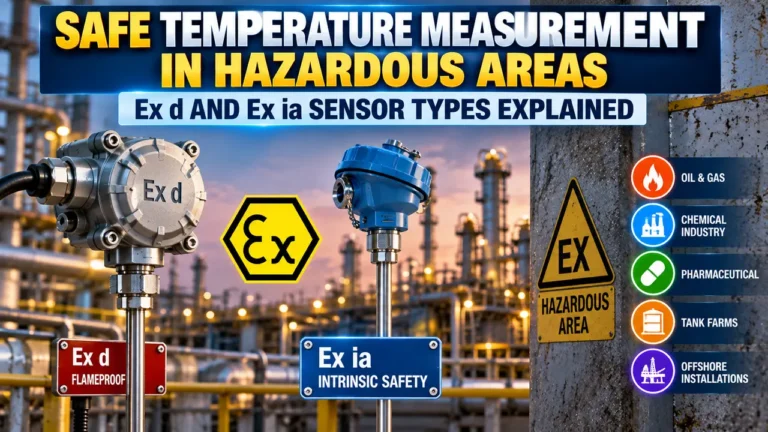
Temperature Measurement Temperature Measurement in Hazardous Areas: Ex d and Ex ia Sensor Types A standard thermocouple or RTD installed in a hazardous area without
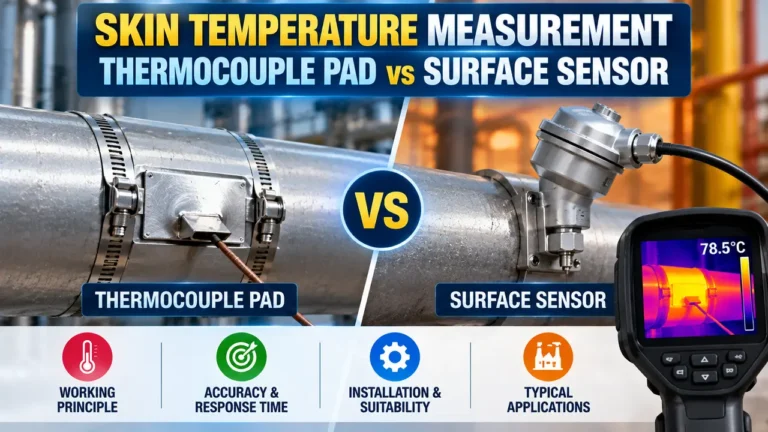
Temperature Measurement Skin Temperature Measurement: Thermocouple Pad vs Surface Sensor Skin temperature measurement reads the outer surface of a pipe, vessel, or tube without penetrating
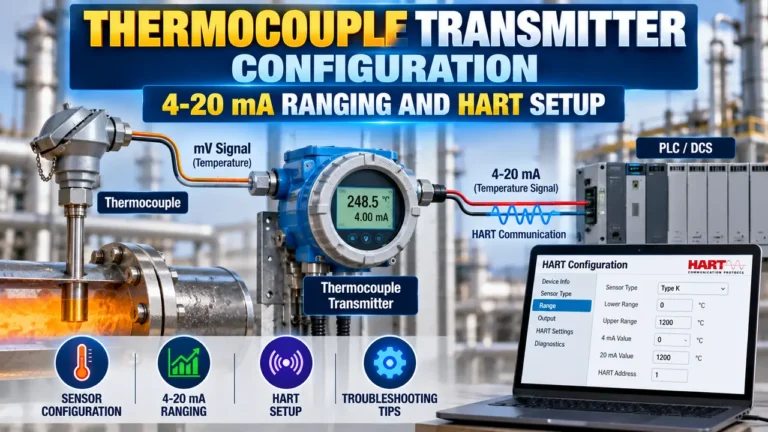
Temperature Measurement Thermocouple Transmitter Configuration: 4-20 mA Ranging and HART Setup A thermocouple transmitter has several parameters that are specific to thermocouple sensors and are
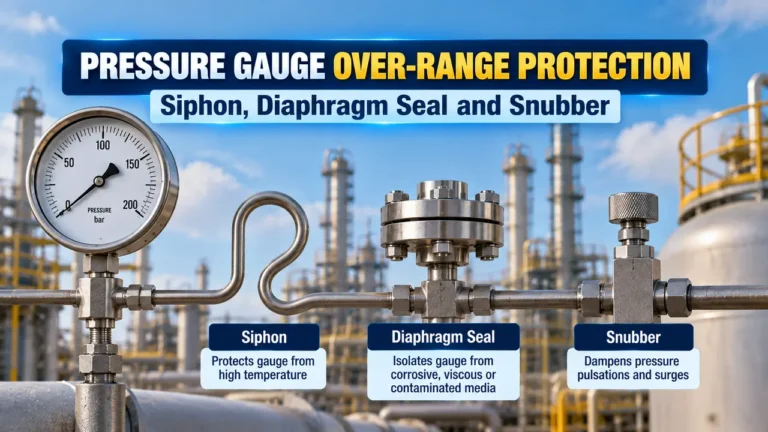
Pressure Measurement Pressure Gauge Over Range Protection: Siphon, Diaphragm Seal and Snubber A pressure gauge failure is not just a maintenance problem. A ruptured gauge
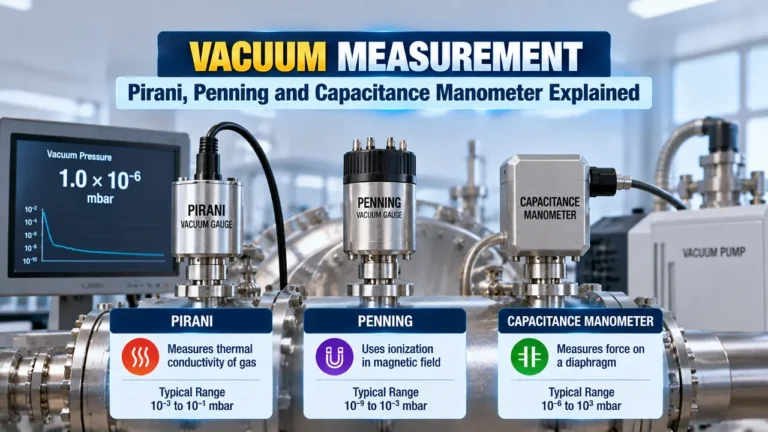
Pressure Measurement Vacuum Measurement: Pirani, Penning and Capacitance Manometer Explained No single vacuum gauge covers the full pressure range from atmospheric down to ultra-high vacuum.
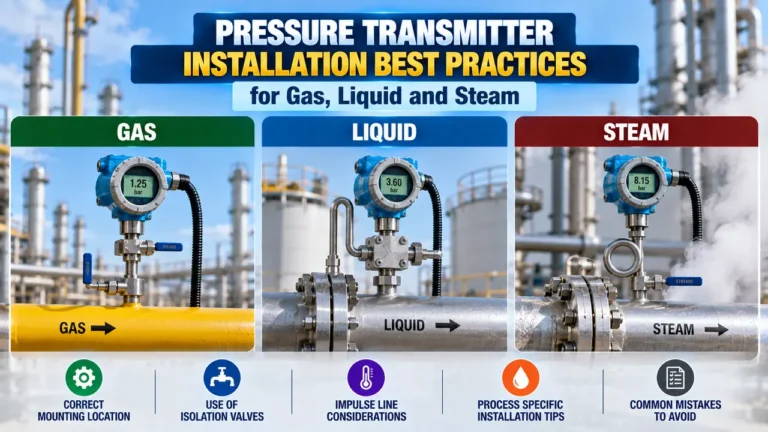
Pressure Measurement Pressure Transmitter Installation Best Practices for Gas, Liquid and Steam The location and orientation of a pressure transmitter relative to the process tap
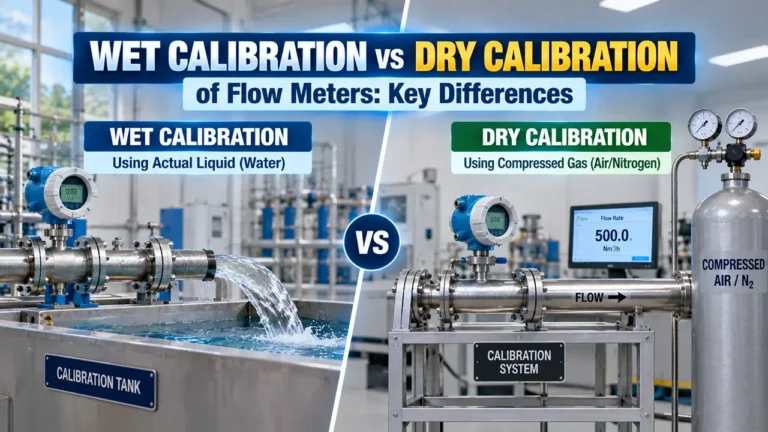
Flow Measurement Wet vs Dry Calibration of Flow Meters: Key Differences Wet calibration passes actual fluid through the meter and compares output against a reference
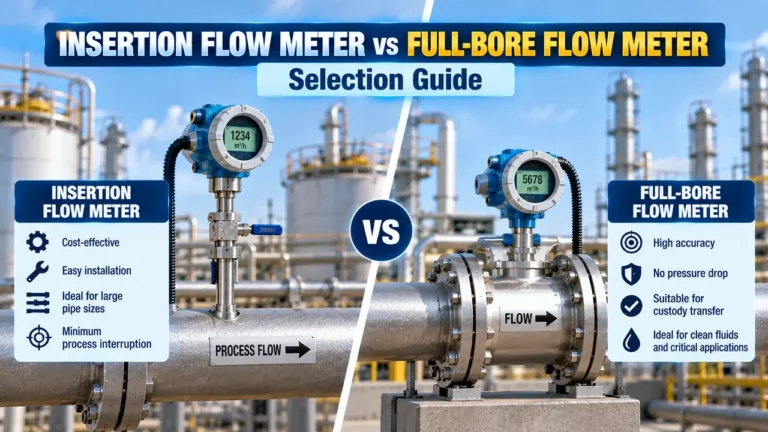
Flow Measurement Insertion Flow Meter vs Full Bore Flow Meter: Selection Guide Insertion flow meters place a sensor element into the pipe through a small
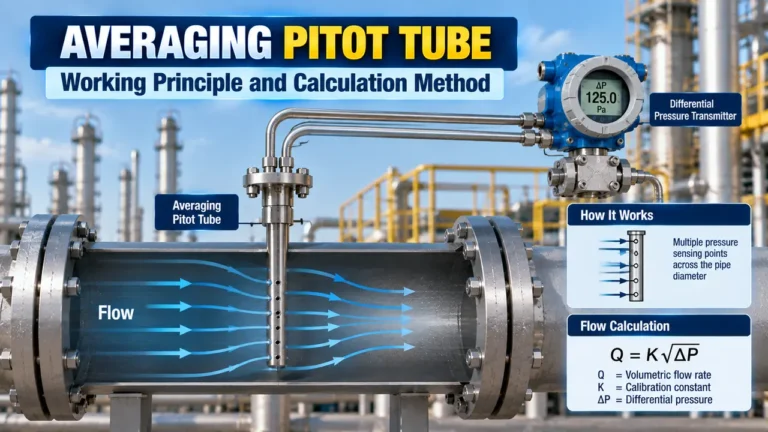
Flow Measurement Averaging Pitot Tube Working Principle and Calculation Method An averaging pitot tube measures flow by sensing differential pressure across multiple ports spanning the

DCS and Automation PLC Online, Offline Programming: When to Use Each Safely PLC offline programming means editing the program on a PC without connecting to