Bench Set Explained: 6 Essential Steps for Perfect Seating
Control Valves Bench Set Explained: 6 Essential Steps for Perfect Seating A control valve that will not close tightly or will not reach full travel.

Control Valves Bench Set Explained: 6 Essential Steps for Perfect Seating A control valve that will not close tightly or will not reach full travel.
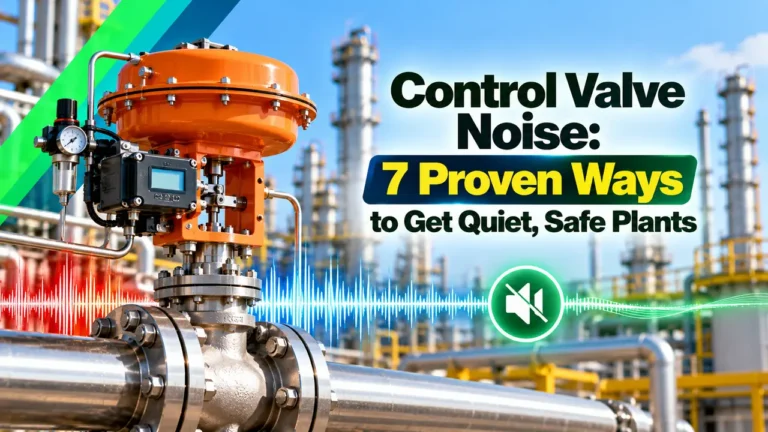
Control Valves Control Valve Noise: 7 Proven Ways to Get Quiet, Safe Plants A gas letdown valve that screams at 110 dBA can damage hearing,.
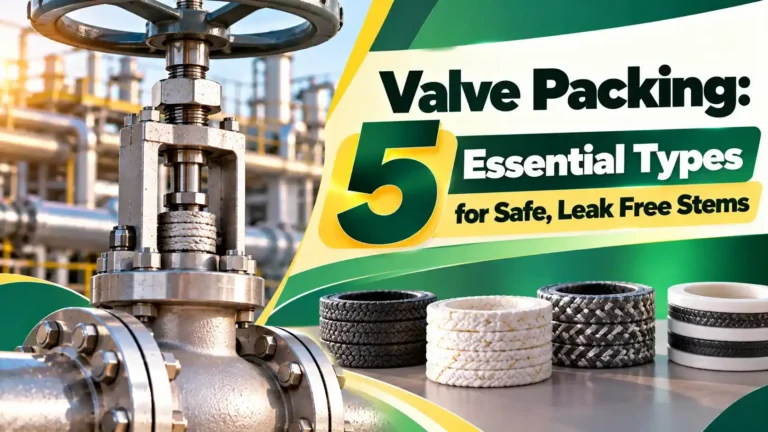
Control Valves Valve Packing: 5 Essential Types for Safe, Leak Free Stems Every moving control valve stem passes through a small box of rings that.
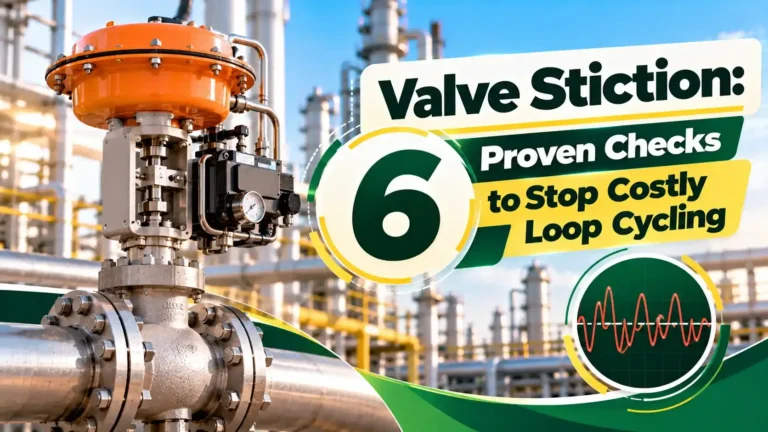
Control Valves Valve Stiction: 6 Proven Checks to Stop Costly Loop Cycling A loop that keeps cycling no matter how you tune it is often.
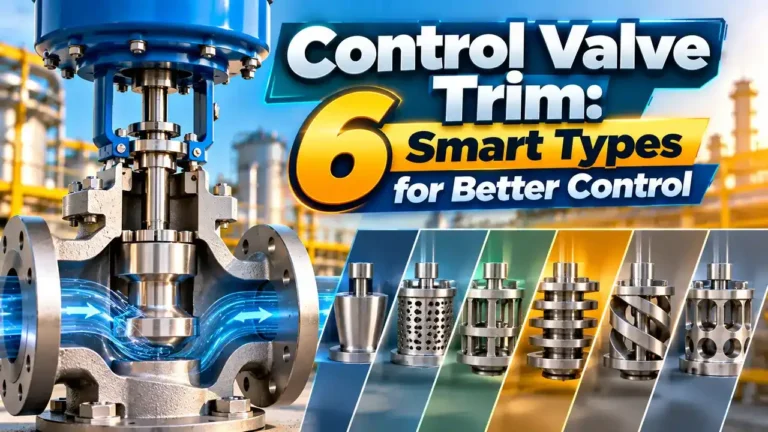
Control Valves Control Valve Trim: 6 Smart Types for Better Process Control The plug, seat and cage inside a valve decide its capacity, characteristic, noise.
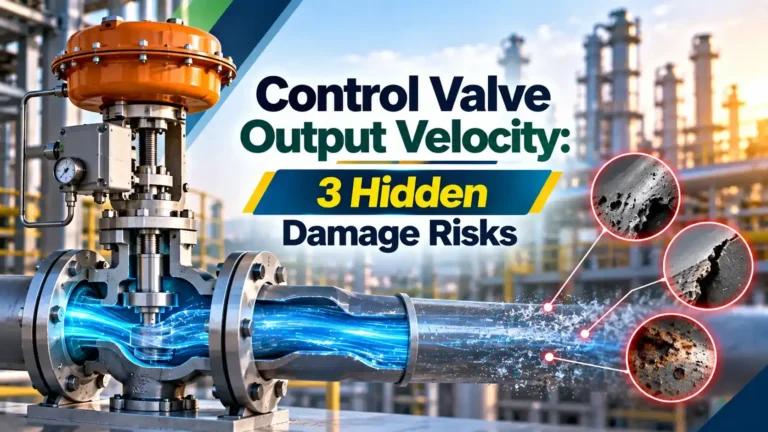
Instrumentation Control Valve Output Velocity: 3 Hidden Damage Risks A control valve that sizes and controls perfectly on paper can still tear itself apart within.
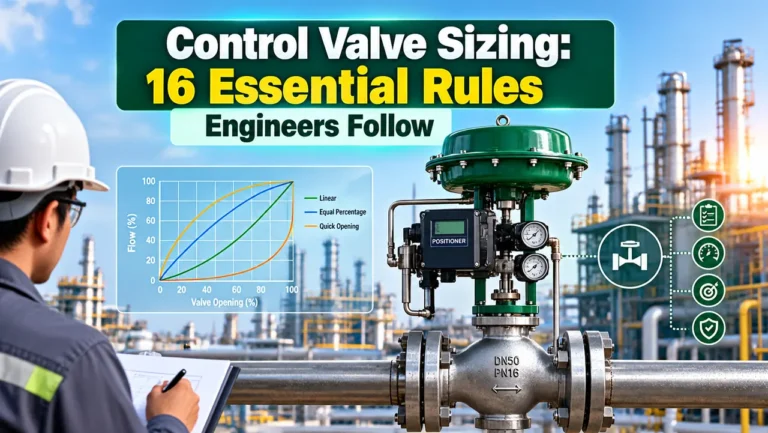
Instrumentation Control Valve Sizing: 16 Essential Rules Engineers Follow An oversized or undersized control valve rarely shows up as an obvious mistake. It shows up.
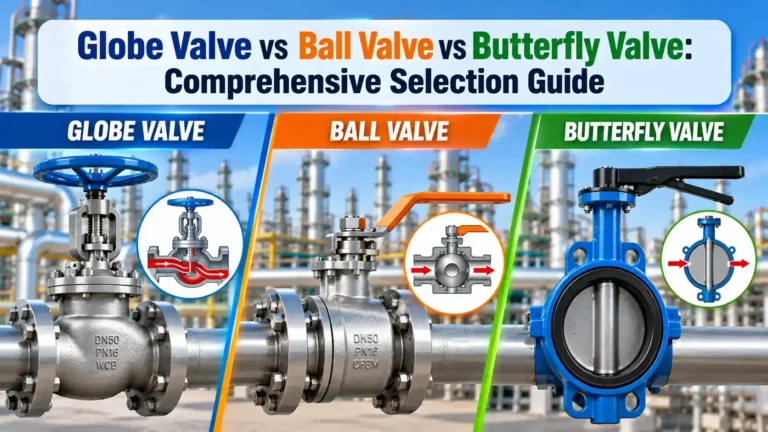
Process Instrumentation Globe Valve vs Ball Valve vs Butterfly Valve: Comprehensive Selection Guide Globe valves, ball valves, and butterfly valves are the three most common.
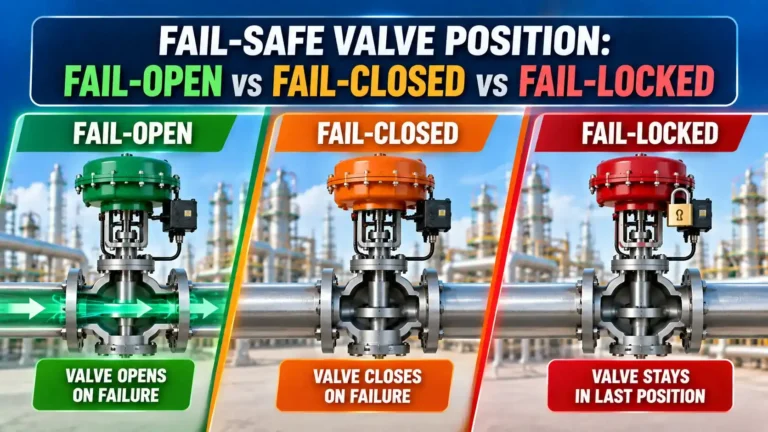
Process Instrumentation Fail Safe Valve Position: Fail Open vs Fail Closed vs Fail Locked A fail-safe valve position is the position a control valve moves.
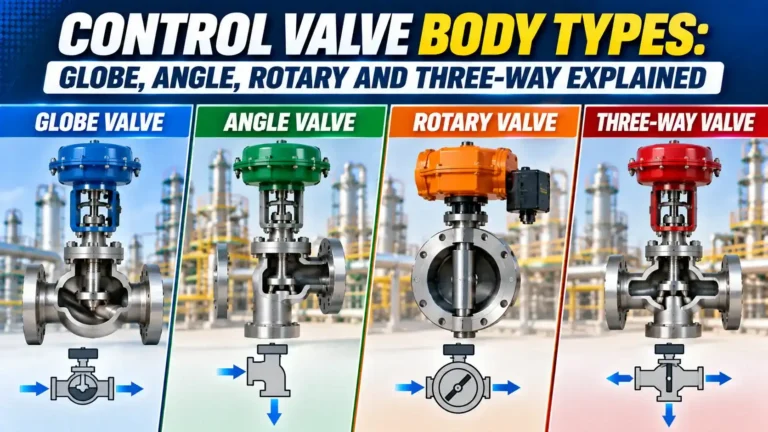
Process Instrumentation Control Valve Body Types: Globe, Angle, Rotary and Three-Way Explained The control valve body is the pressure-containing shell that houses the trim and.