How to Test a Capacitor: Multimeter, ESR & Solved Example
Electronic Components How to Test a Capacitor with a Multimeter, ESR Meter and the RC Time Method A capacitor can look perfect and still be.

Electronic Components How to Test a Capacitor with a Multimeter, ESR Meter and the RC Time Method A capacitor can look perfect and still be.
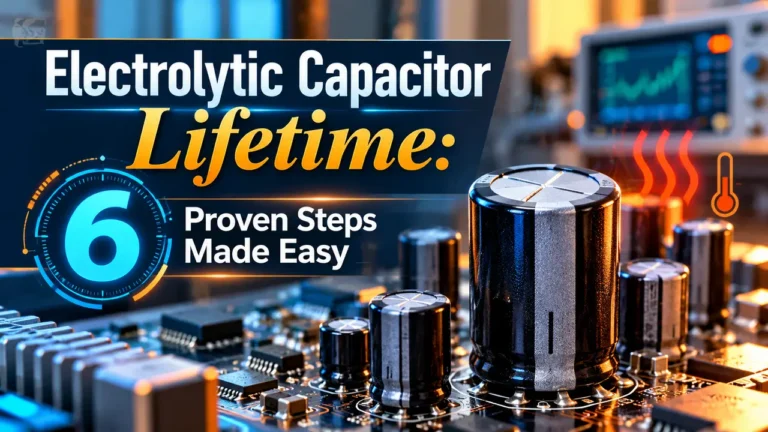
Electronic Components Electrolytic Capacitor Lifetime: 6 Proven Steps Made Easy The aluminium electrolytic capacitor is usually the first part to wear out in a power.
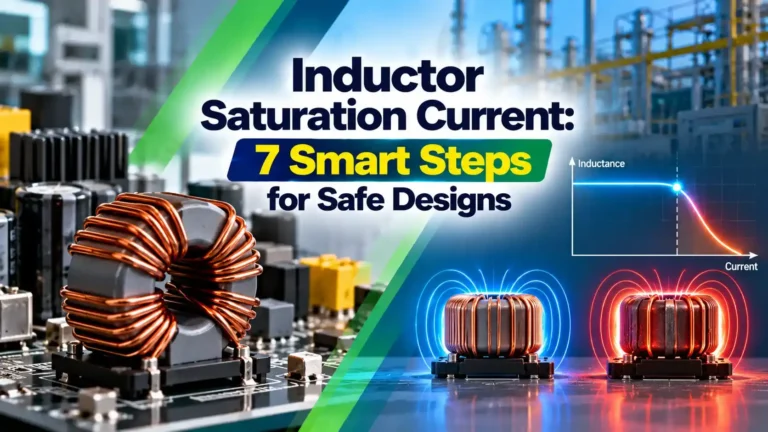
Electronic Components Inductor Saturation Current: 7 Smart Steps for Safe Designs Push too much current through a power inductor and its core runs out of.
Electronic Components Resettable Fuse: 6 Smart Steps for Safe, Reliable Designs A glass fuse protects a circuit once and then needs a hand to replace.
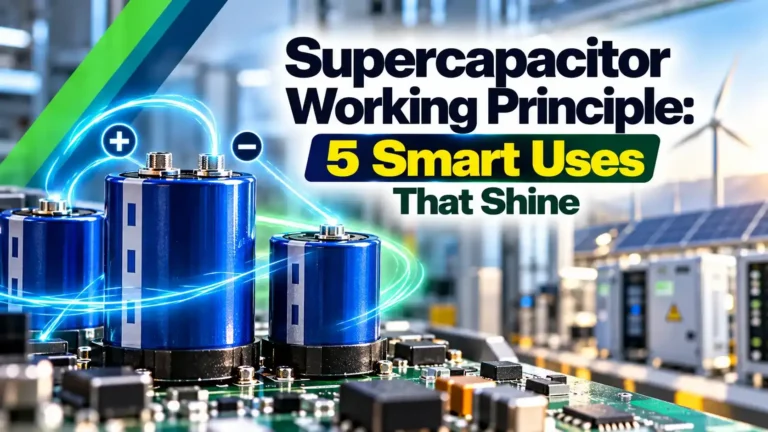
Electronic Components Supercapacitor Working Principle: 5 Smart Uses That Shine A supercapacitor stores charge in an electric double layer only a molecule thick, giving thousands.
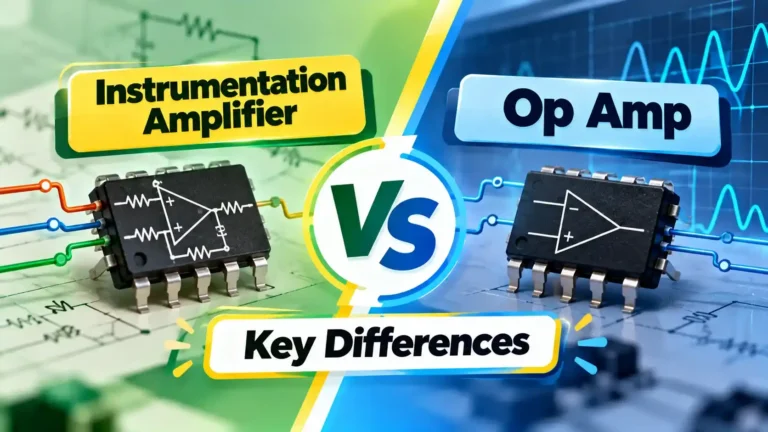
Electronics Instrumentation Amplifier vs Op Amp: Key Differences A single op amp can be wired as a difference amplifier in minutes, yet plenty of sensor.
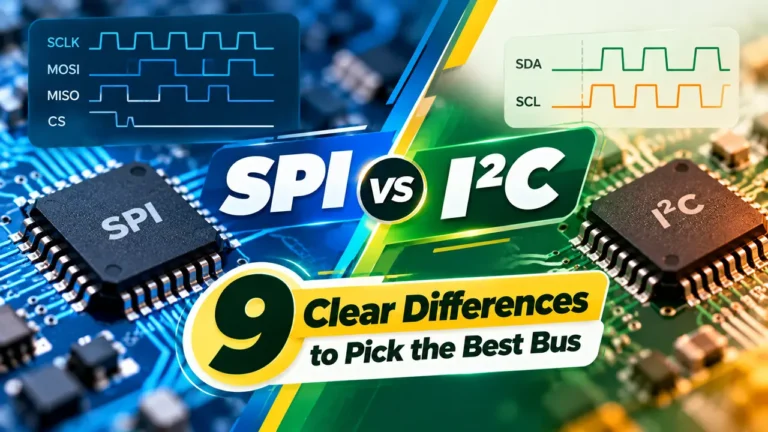
Digital Electronics SPI vs I2C: 9 Clear Differences to Pick the Best Bus Two wires and addresses, or four wires and raw speed, the choice.
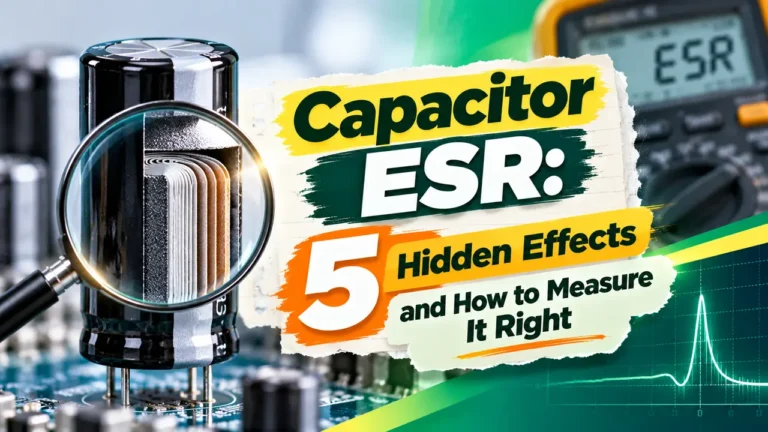
Electronic Components Capacitor ESR: 5 Hidden Effects and How to Measure It Right A capacitor that still shows the right microfarads can quietly fail a.
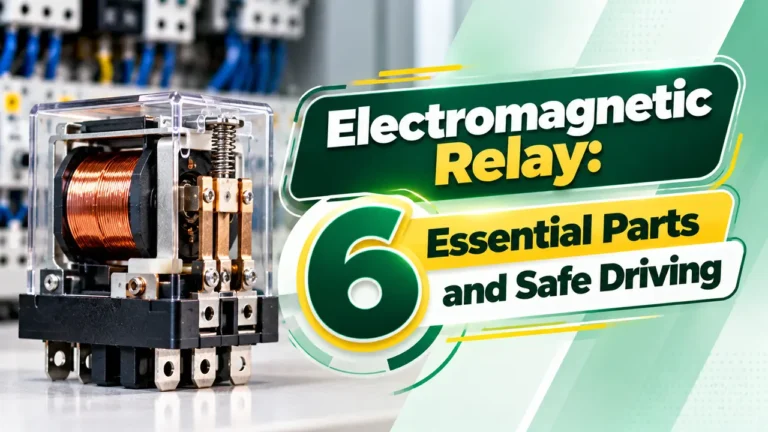
Electronic Components Electromagnetic Relay: 6 Essential Parts and Safe Driving A tiny coil current can switch a heavy load, but the voltage kick when that.
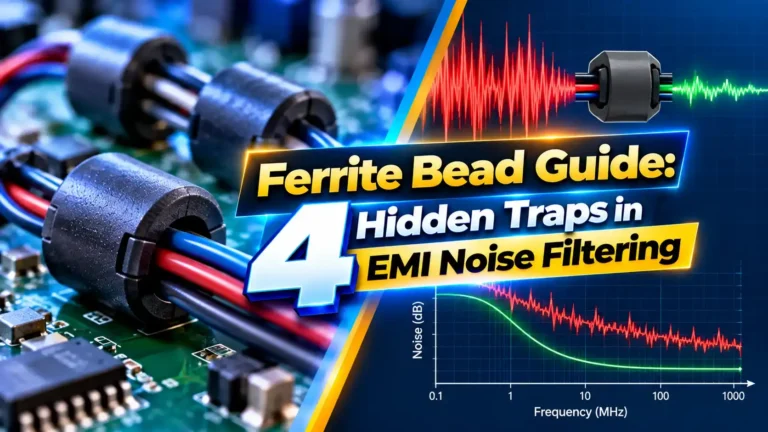
Electronic Components Ferrite Bead Guide: 4 Hidden Traps in EMI Noise Filtering A tiny lossy component that turns unwanted high frequency noise into heat while.