EtherNet IP Protocol: CIP Object Model and Device Profile Explained
Industrial Networking and Protocols EtherNet IP Protocol: CIP Object Model and Device Profile Explained EtherNet IP is an industrial Ethernet protocol based on CIP (Common


Industrial Networking and Protocols EtherNet IP Protocol: CIP Object Model and Device Profile Explained EtherNet IP is an industrial Ethernet protocol based on CIP (Common
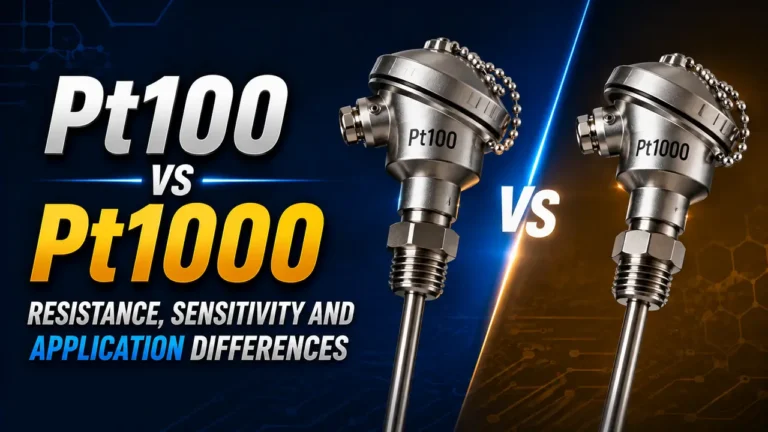
Temperature Measurement Pt100 vs Pt1000: Resistance, Sensitivity and Application Differences The Pt100 vs Pt1000 question comes down to nominal resistance at 0°C: 100 Ω versus
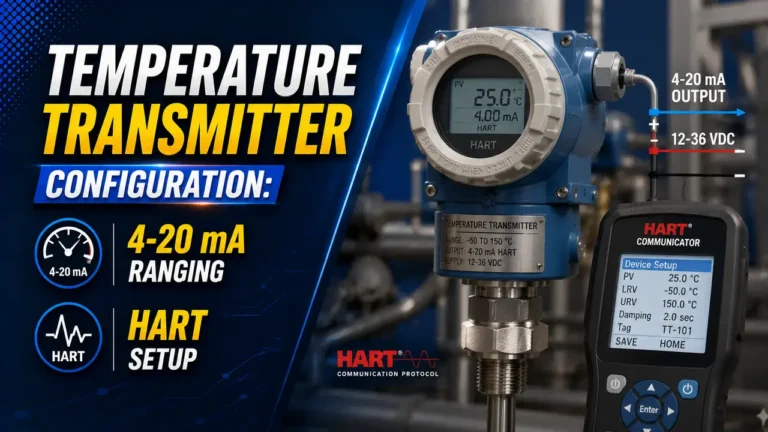
Temperature Measurement Temperature Transmitter Configuration: 4-20 mA Ranging and HART Setup A temperature transmitter configuration must cover means setting the sensor type, LRV, URV, damping,
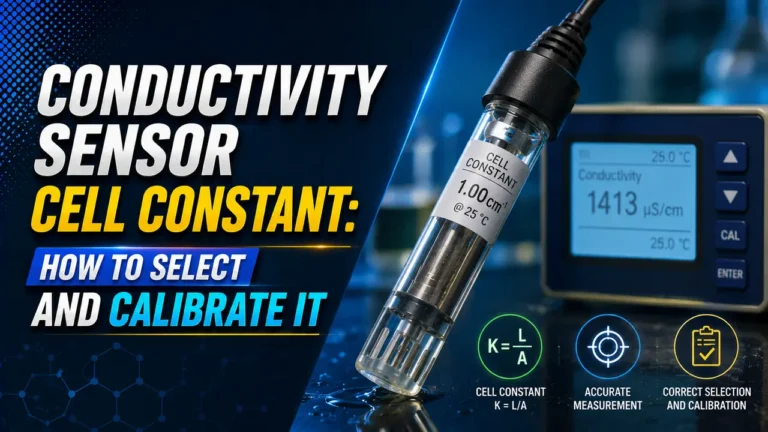
Analytical Measurements Conductivity Sensor Cell Constant: How to Select and Calibrate It The cell constant (K) of a conductivity sensor defines the electrode geometry and
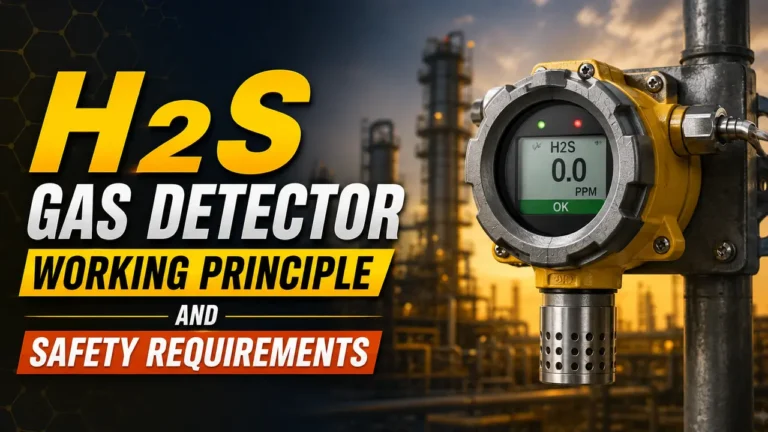
Analytical Measurements H2S Gas Detector Working Principle and Safety Requirements Hydrogen sulfide is a colourless, flammable, and extremely toxic gas found in oil and gas,
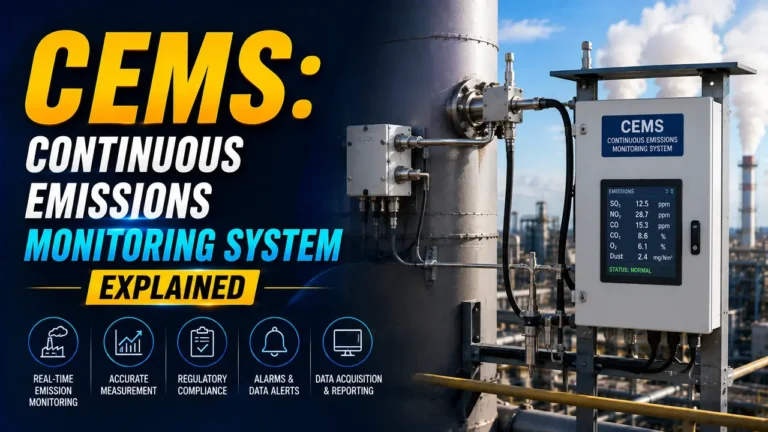
Analytical Measurements CEMS: Continuous Emissions Monitoring System A CEMS (Continuous Emissions Monitoring System) measures flue gas pollutants in real time. See how smart transmitters feed
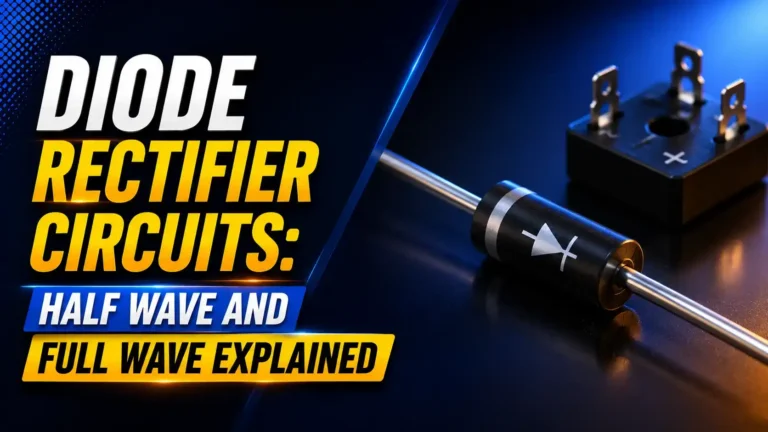
Electronics Diode Rectifier Circuits: Half Wave and Full Wave Explained A diode rectifier circuit converts AC voltage to pulsating DC by using the one-way conducting
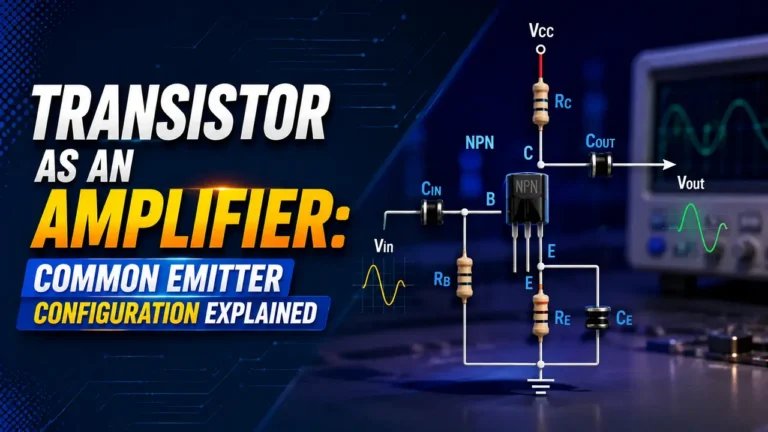
Electronics Transistor as an Amplifier: Common Emitter Configuration Explained The common emitter configuration is the most widely used BJT amplifier circuit — providing voltage gain,
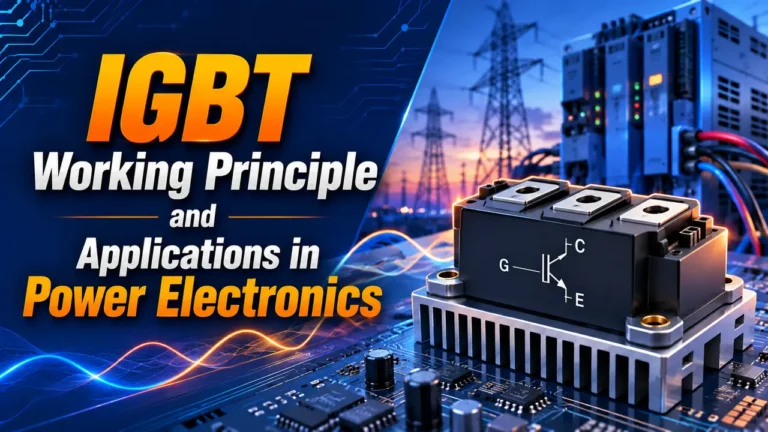
Electronics IGBT Working Principle and Applications The IGBT (Insulated Gate Bipolar Transistor) combines the MOSFET gate with the BJT output stage — the dominant switching
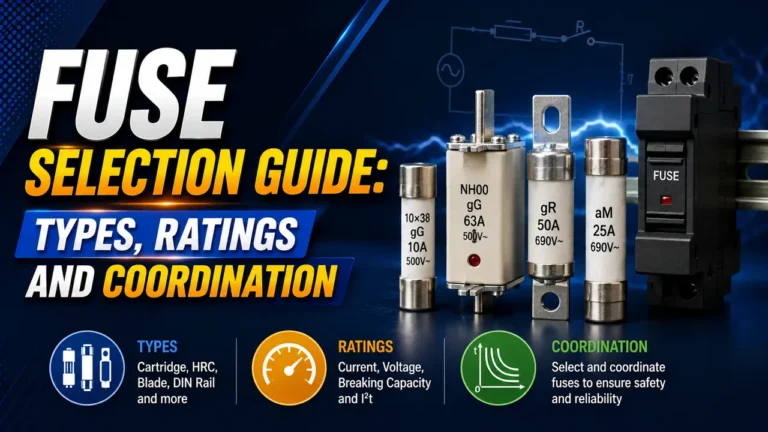
Electrical Design and Calculations Fuse Selection Guide: Types, Ratings and Coordination A complete fuse selection guide covers more than ampere rating. The fuse type, voltage