Laser Level Transmitter: 6 Reliable Selection Tips
Level Laser Level Transmitter: 6 Reliable Selection Tips for Silos and Tanks A narrow infrared beam and a fast timer give non contact level readings

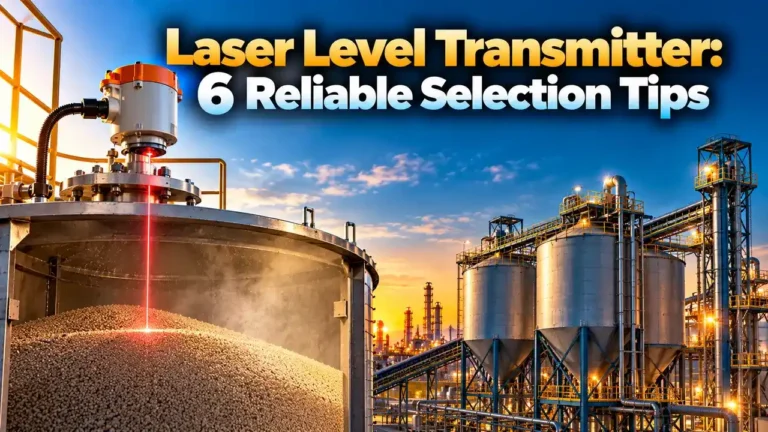
Level Laser Level Transmitter: 6 Reliable Selection Tips for Silos and Tanks A narrow infrared beam and a fast timer give non contact level readings
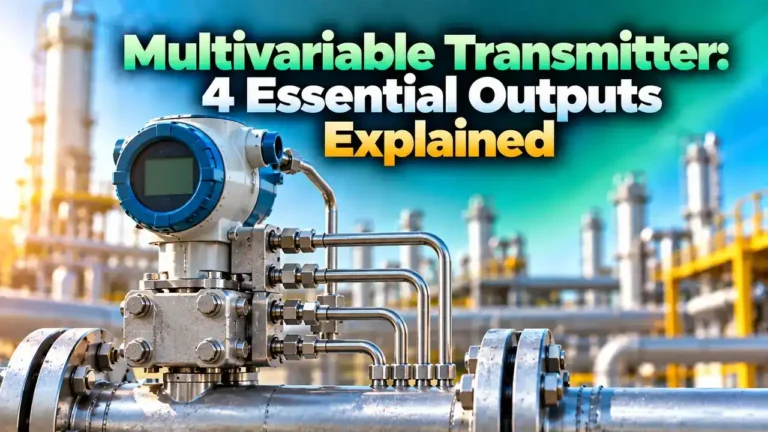
Pressure Multivariable Transmitter: 4 Essential Outputs Explained One instrument, one process connection and one cable that replaces three transmitters and a flow calculator. DP and

Flow Wedge Flow Meter: 5 Proven Benefits for Slurry and Viscous Service A rugged differential pressure element that keeps measuring where orifice plates plug, erode
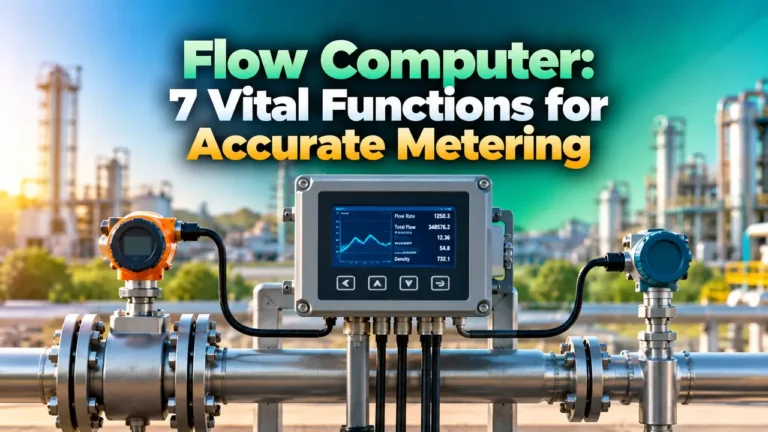
Process Instrumentation · Flow Flow Computer Explained: 7 Vital Functions for Accurate Gas and Liquid Metering A dedicated electronic device that turns raw meter, pressure,
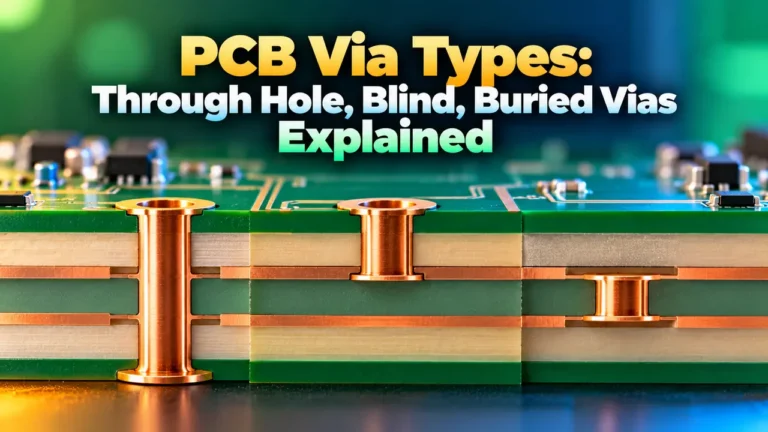
PCB Design & Signal Integrity PCB Via Types: Through Hole, Blind, Buried Vias Explained A via connects copper traces between layers of a printed circuit
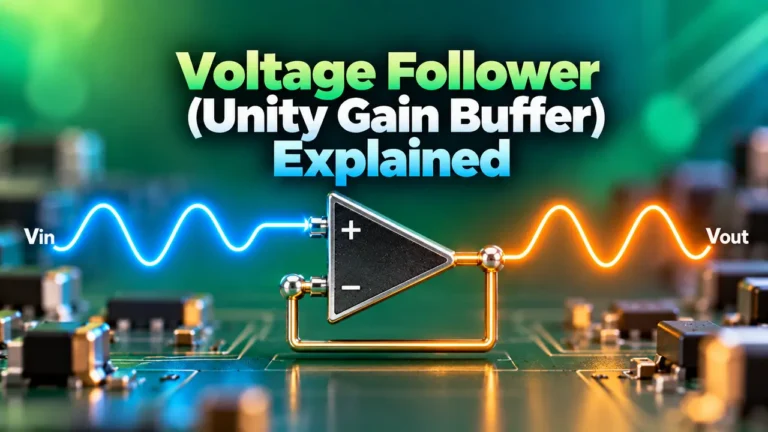
Analog Electronics Voltage Follower (Unity Gain Buffer) Explained This circuit copies its input voltage to its output exactly, without amplifying it, and that single trait
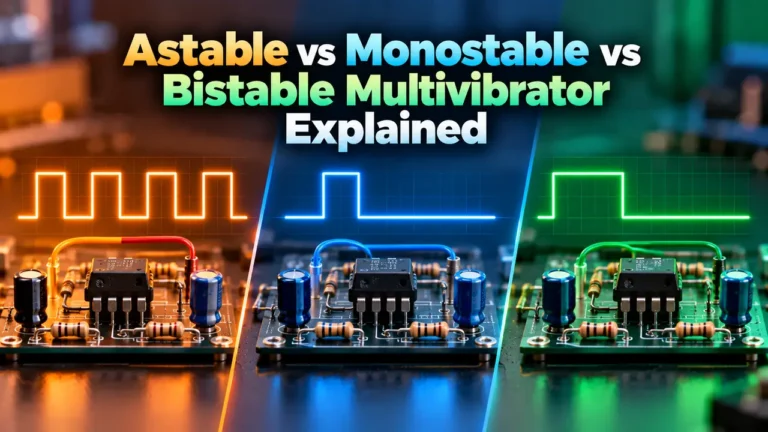
Digital Electronics Astable vs Monostable vs Bistable Multivibrator Explained These three circuit families all switch between output states using the same basic timer building block,
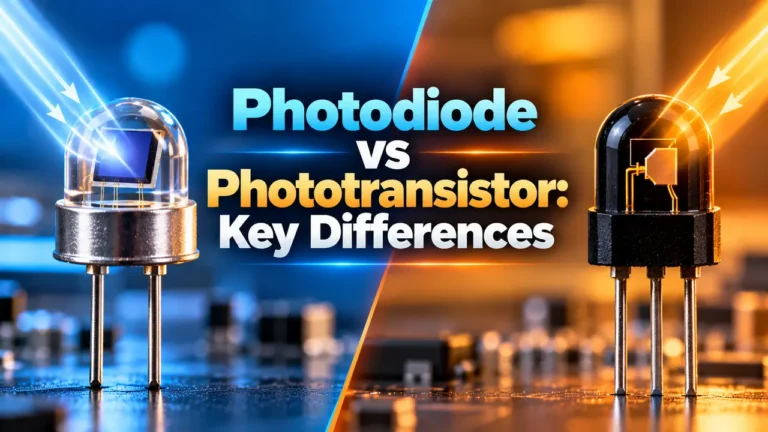
Electronic Sensors Photodiode vs Phototransistor: Key Differences Both devices turn light into an electrical signal, but their speed, sensitivity, and linearity make them suited to
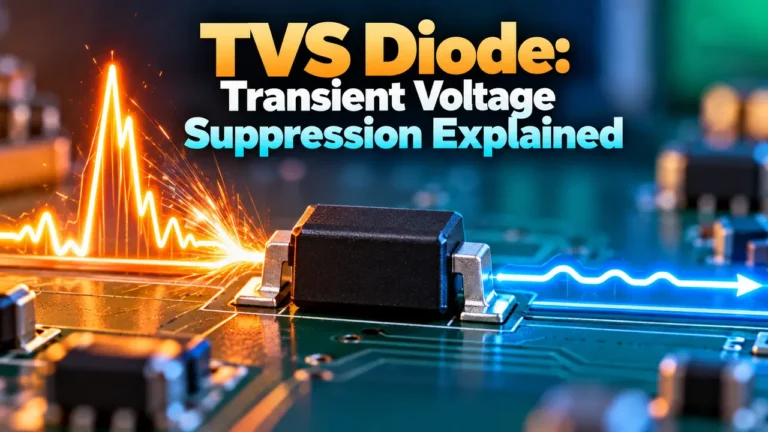
Electronic Components TVS Diode: Transient Voltage Suppression Explained A TVS Diode protects sensitive circuits from short, damaging voltage spikes by clamping the excess energy before
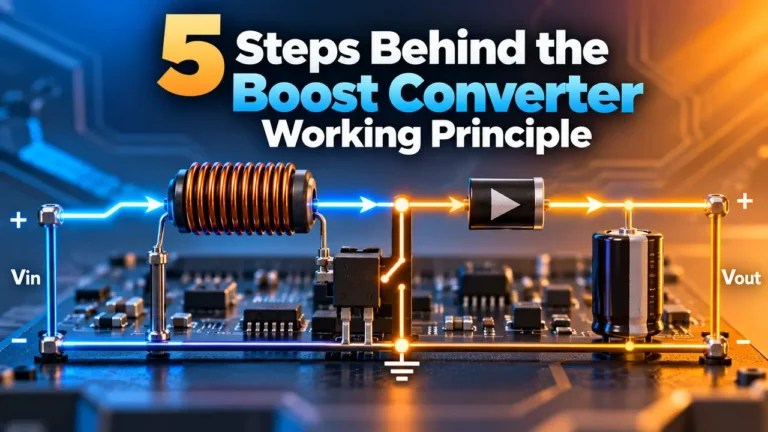
Power Electronics & Protection 5 Steps Behind the Boost Converter Working Principle The Boost Converter Working Principle explains how a circuit takes a lower input