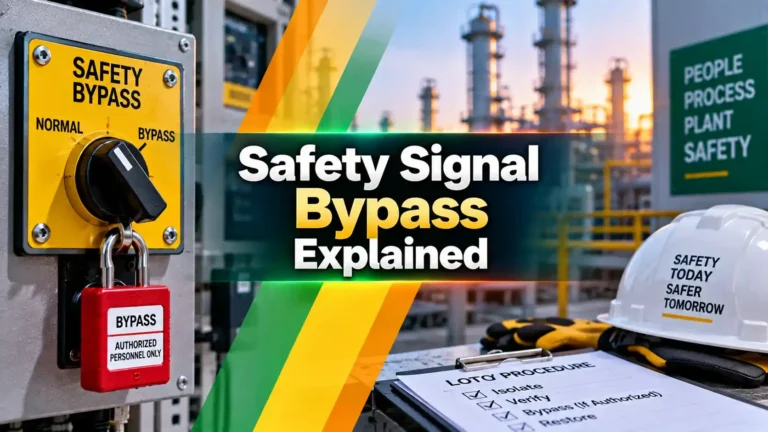
Safety Signal Bypass Explained
Functional Safety Safety Signal Bypass Explained Taking a protective signal out of service, even briefly, changes the actual risk a plant carries, and a safety.

Functional Safety Safety Signal Bypass Explained Taking a protective signal out of service, even briefly, changes the actual risk a plant carries, and a safety.
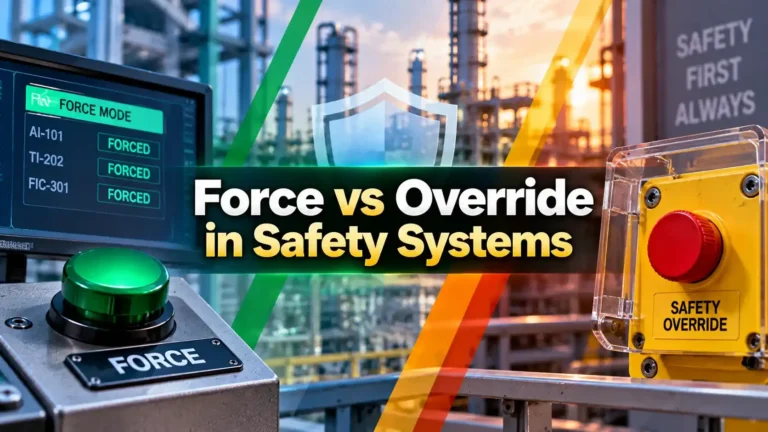
Functional Safety Force vs Override in Safety Systems Both let an engineer make a signal say something other than what the field actually reports, yet.
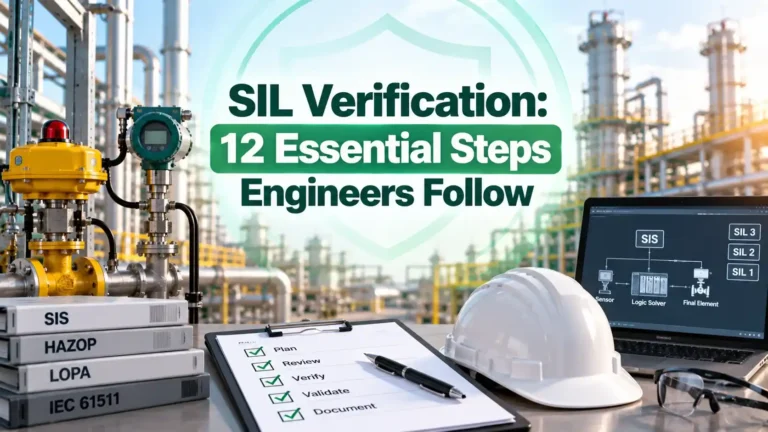
Functional Safety SIL Verification: 12 Essential Steps Engineers Follow A device certificate alone never proves a safety loop is safe enough. These twelve steps are.
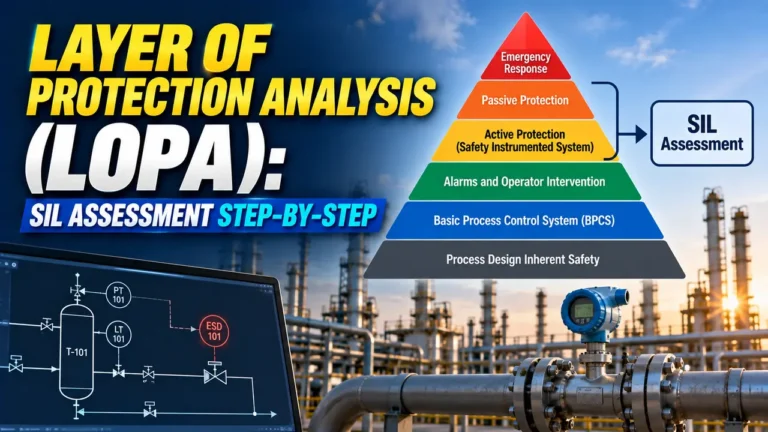
Process Safety Layer of Protection Analysis (LOPA): SIL Assessment Step-by-Step LOPA is a semi-quantitative method to determine whether existing safeguards are sufficient and, if not,.
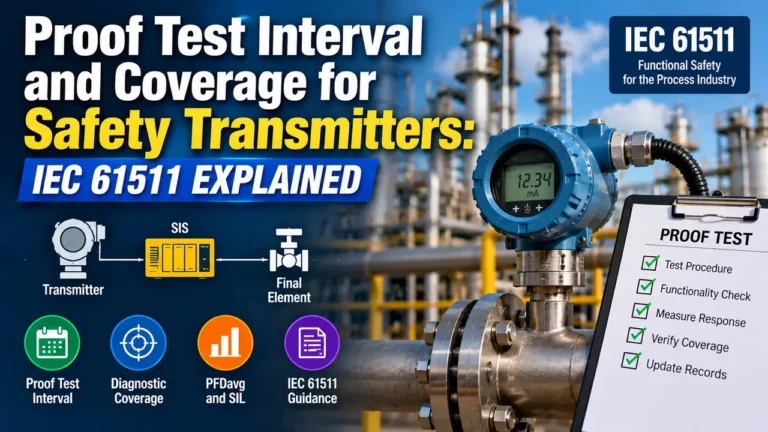
Process Safety / Functional Safety Test interval and Coverage for Safety Transmitters: IEC 61511 Explained A test is a scheduled, documented functional test of a.
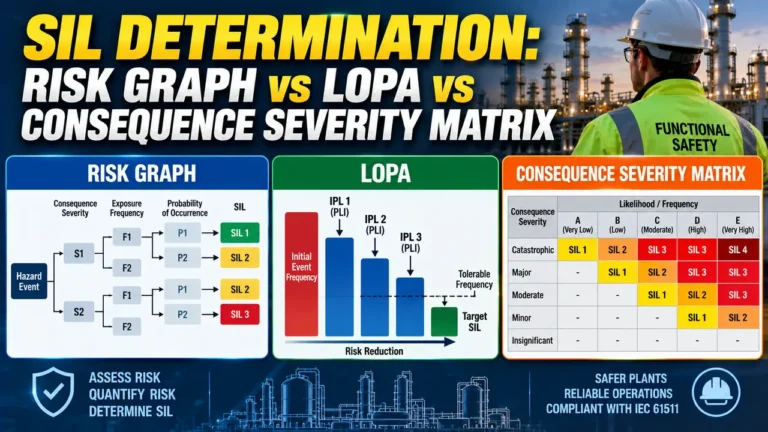
Process Safety / Functional Safety SIL Determination: Risk Graph vs LOPA vs Consequence Severity Matrix SIL determination is the engineering process of deciding what Safety.
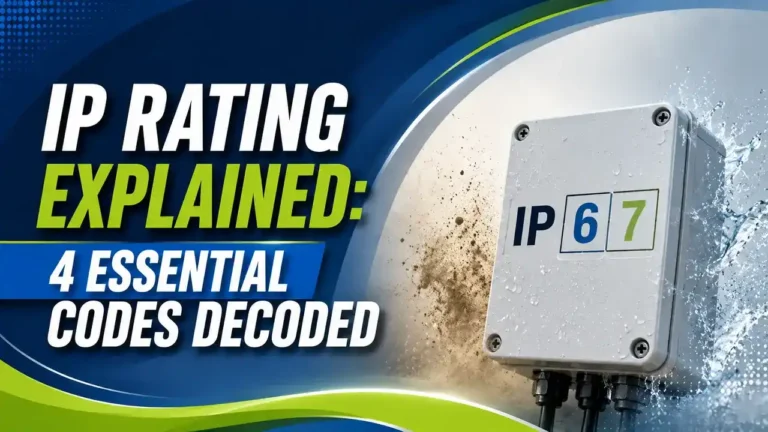
Electrical Fundamentals IP Rating Explained: IEC 60529 Codes, NEMA Comparison and What Each Digit Means An IP rating is a two digit code defined by.
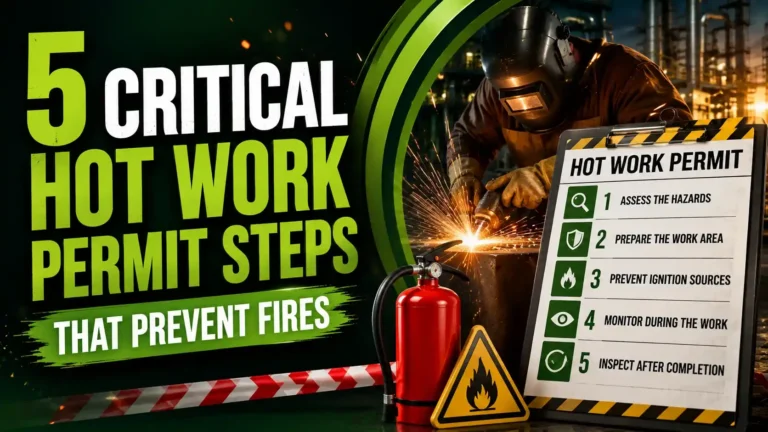
Process Safety Hot Work Permit Explained A hot work permit is the written approval a site requires before anyone welds, cuts, grinds, or brazes in.
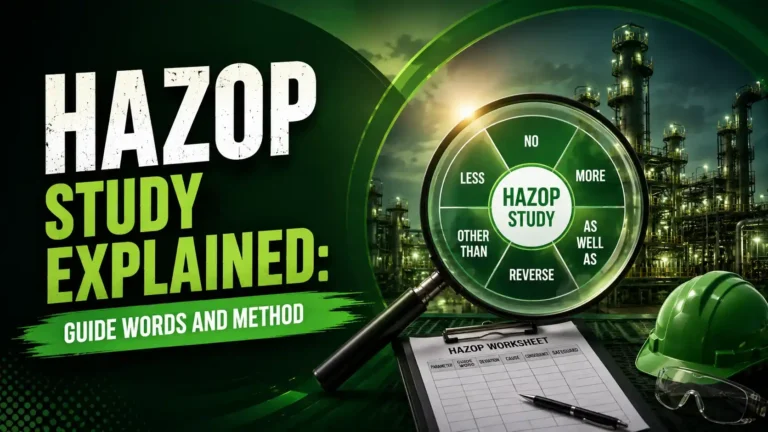
Process Safety HAZOP Study Explained A HAZOP study is a structured way of asking one question over and over across a whole process: what happens.
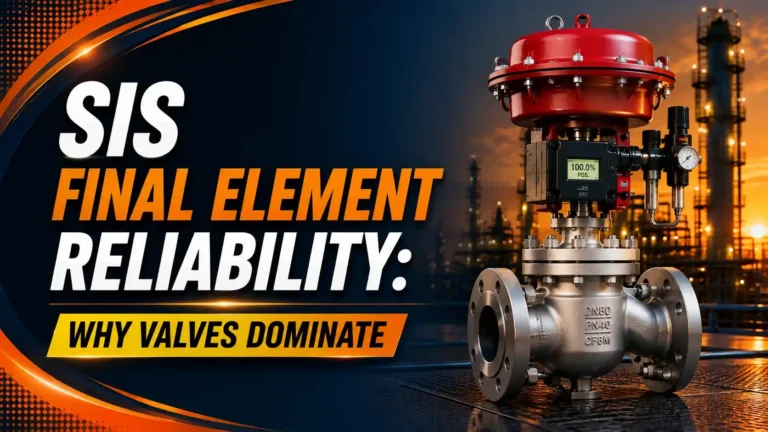
DCS & Automation SIS Final Element Reliability: Why Valves Often Dominate SIF Performance Final element reliability decides more of a SIF’s PFDavg than most engineers.