Quine-McCluskey Method Explained: 5 Reliable Steps Every Engineer Must Know
Digital Electronics Quine-McCluskey Method Explained: 5 Reliable Steps Every Engineer Must Know Once a Boolean function grows past five or six variables, a Karnaugh map


Digital Electronics Quine-McCluskey Method Explained: 5 Reliable Steps Every Engineer Must Know Once a Boolean function grows past five or six variables, a Karnaugh map

Electronic Components Types of Integrated Circuits Explained: 5 Overlooked Facts Every Engineer Must Know Every IC gets classified along three separate axes at once, by

Digital Electronics BCD (Binary Coded Decimal) Explained: 5 Vital Facts Every Engineer Must Know A digital clock never converts an entire number into pure binary,

Digital Electronics Boolean Algebra Explained: 5 Essential Facts Every Engineer Must Know Every digital circuit, from a single logic gate to an entire processor, ultimately

Power Electronics & Protection Solid State Relay vs Mechanical Relay: 5 Costly Differences Every Engineer Must Know Pick the wrong relay type and you either
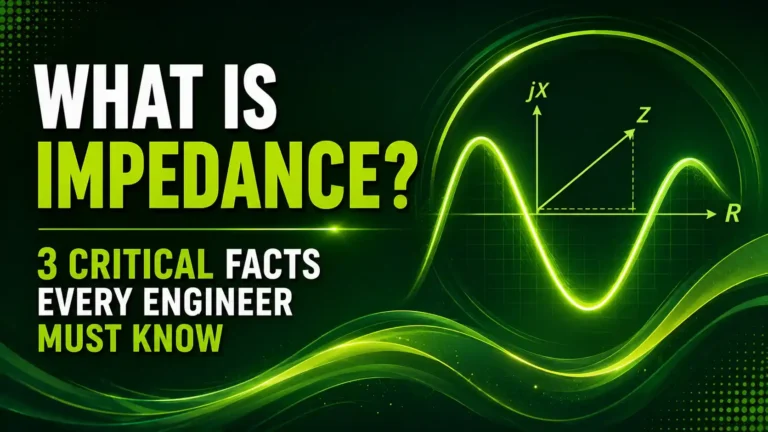
Electronics Fundamentals What is Impedance? 3 Critical Facts Every Engineer Must Know Resistance alone cannot explain how an AC circuit really behaves, since capacitors and
Electronics Fundamentals What is Reactance? 3 Surprising Facts Every Engineer Must Know Capacitors and inductors oppose current flow too, but they do it in a
Electronics Fundamentals What is Resistance? 3 Ultimate Facts Every Engineer Must Know Every conductor fights back against the current trying to flow through it, and
Electronics Fundamentals Current Divider Rule Explained: 3 Hidden Facts Every Engineer Must Know Two resistors in parallel split a source current unevenly, and the branch
Electronics Fundamentals Voltage Divider Rule Explained: 3 Essential Facts Every Engineer Must Know Two resistors in series can turn any supply voltage into exactly the