Level Measurement in Corrosive Chemicals: Sensor Guide
Instrumentation Level Measurement in Corrosive Chemicals: Sensor Selection Guide Sulfuric acid. Sodium hypochlorite. Hydrofluoric acid. Get the wetted material wrong here, and it’s not a

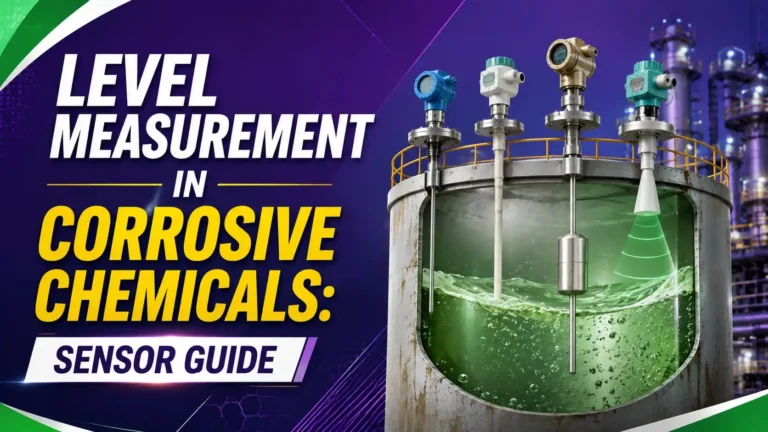
Instrumentation Level Measurement in Corrosive Chemicals: Sensor Selection Guide Sulfuric acid. Sodium hypochlorite. Hydrofluoric acid. Get the wetted material wrong here, and it’s not a
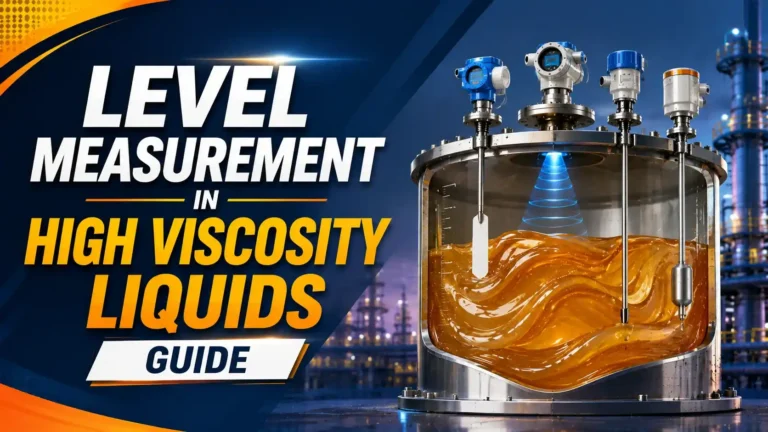
Instrumentation Level Measurement in High Viscosity Liquids Bitumen, polymer melt, heavy crude, molasses, adhesives. Ask a level transmitter to work in liquids like these, and
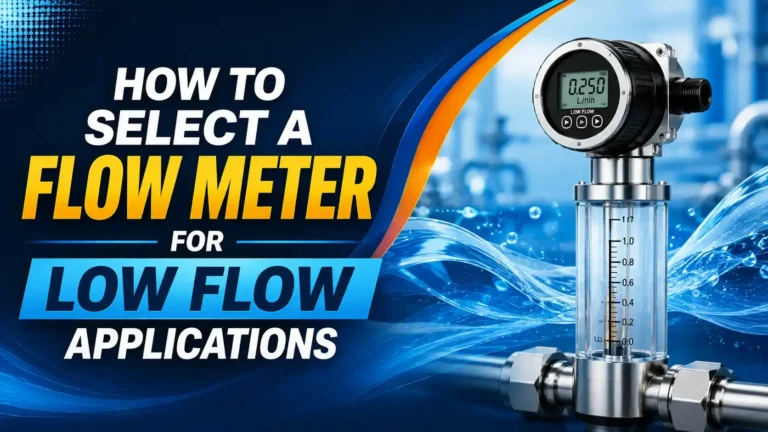
Instrumentation How to Select a Flow Meter for Low Flow Applications Most flow meter technologies are designed and calibrated around turbulent flow, and low flow
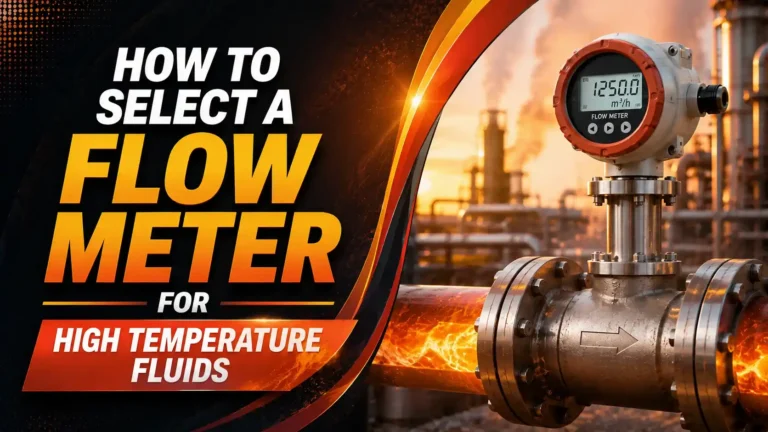
Instrumentation How to Select a Flow Meter for High Temperature Fluids Heat changes how a fluid behaves, and it changes how a flow meter behaves
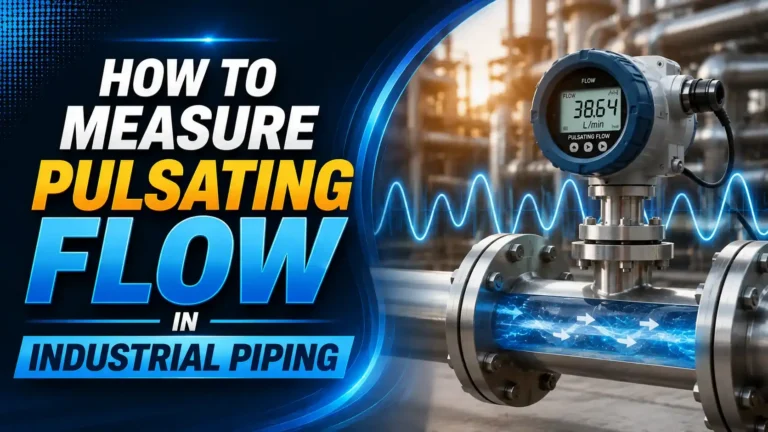
Instrumentation How to Measure Pulsating Flow in Industrial Piping A reciprocating pump doesn’t push fluid smoothly down a pipe, it pushes it in rhythmic surges,
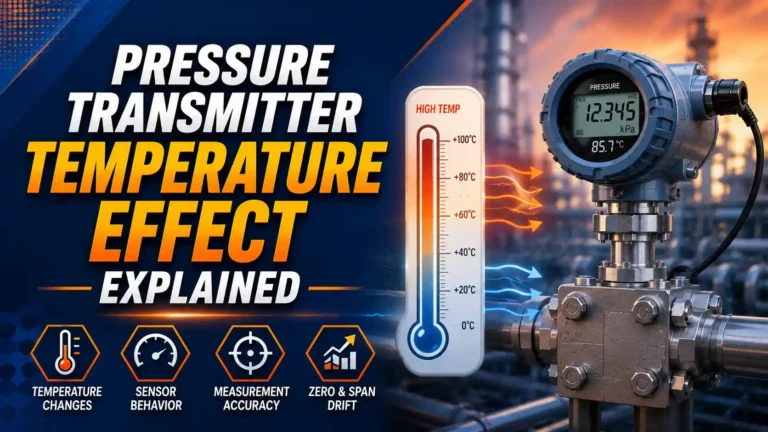
Instrumentation Pressure Transmitter Temperature Effect: How Temperature Changes Accuracy A pressure transmitter calibrated perfectly in a comfortable workshop can still read wrong once it’s bolted
Instrumentation Pressure Transmitter Zero Shift: Causes and Troubleshooting Guide You check the transmitter at zero pressure, and it isn’t reading zero. Nothing looks broken. Nobody
Instrumentation Pressure Transmitter Span Drift: Causes and Correction Methods The zero point checks out fine. But somewhere between 0% and 100% of the range, the
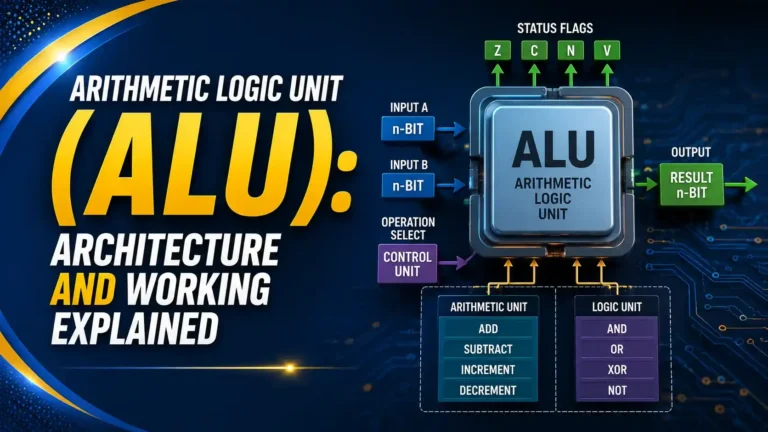
Digital Electronics Arithmetic Logic Unit (ALU): Architecture and Working Explained Every instruction a processor executes eventually lands on the same small block of combinational logic.
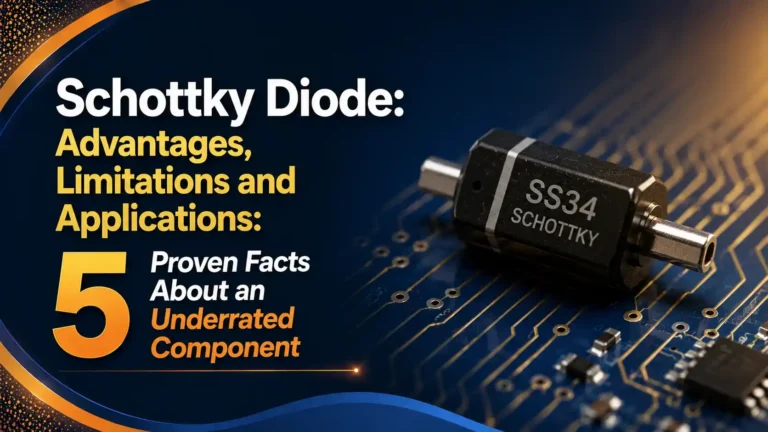
Electronics Fundamentals Schottky Diode: Advantages, Limitations and Applications: 5 Proven Facts About an Underrated Component Every switching power supply on Earth loses a little energy