Why 4-20 mA Is Used Instead of a Voltage Signal
Instrumentation Why 4-20 mA Is Used Instead of a Voltage Signal: The Real Numbers Every instrumentation site explains that current loops beat voltage signals because

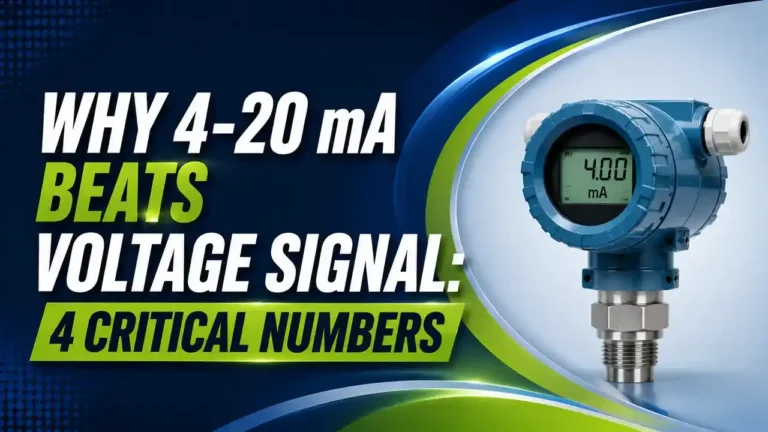
Instrumentation Why 4-20 mA Is Used Instead of a Voltage Signal: The Real Numbers Every instrumentation site explains that current loops beat voltage signals because
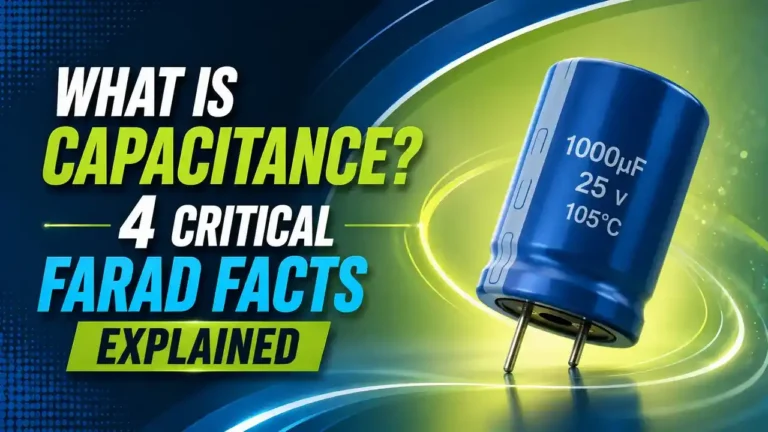
Electronics What Is Capacitance? Farads, Dielectrics and RC Time Constant Explained Capacitance is a component’s ability to store electrical charge for a given voltage, measured
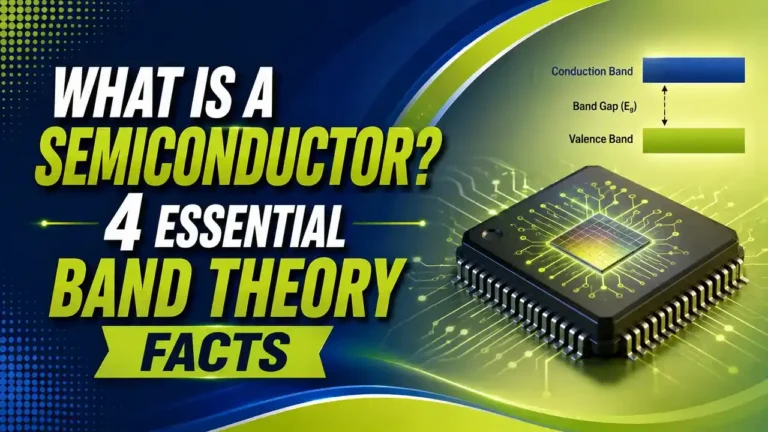
Electronics What Is a Semiconductor? Band Theory, Doping and Real World Applications A semiconductor is not simply “a material between a conductor and an insulator.”

Instrumentation Thermowell Guide: Material Selection and Failure Prevention Two thermowells can look identical in a catalog photo and still fail on completely different timelines, because
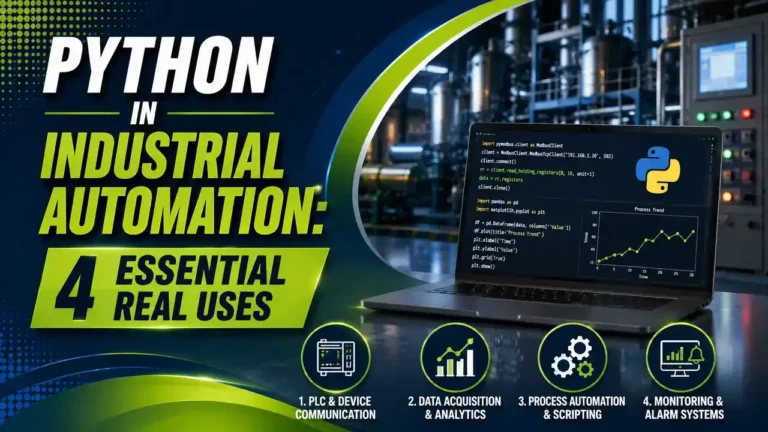
DCS & Automation Python in Industrial Automation Python does not replace a PLC on a factory floor. It sits one layer above it, reading data,
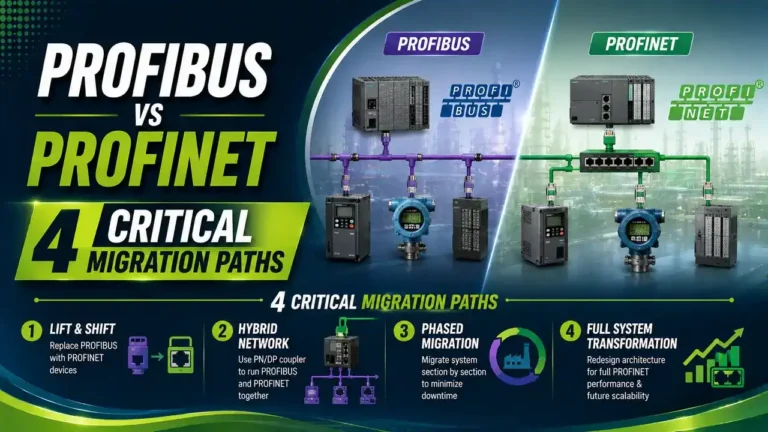
DCS & Automation Profibus vs Profinet Most plants are not choosing one over the other from a blank slate, they are figuring out how to
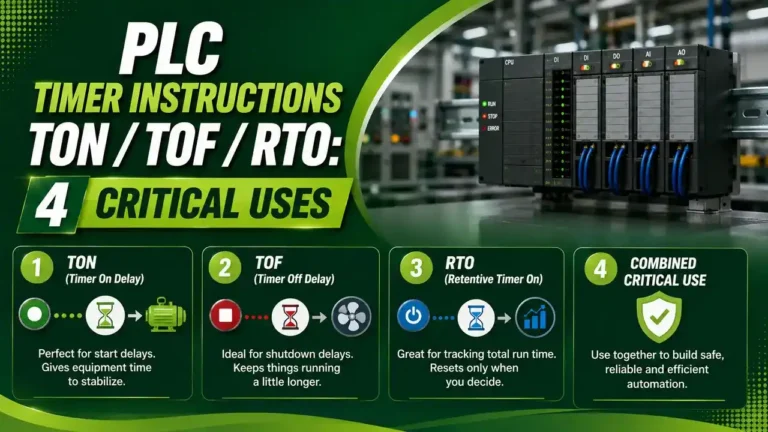
DCS & Automation PLC Timer Instructions: TON, TOF and RTO TON delays turning something on. TOF delays turning something off. RTO remembers time even when
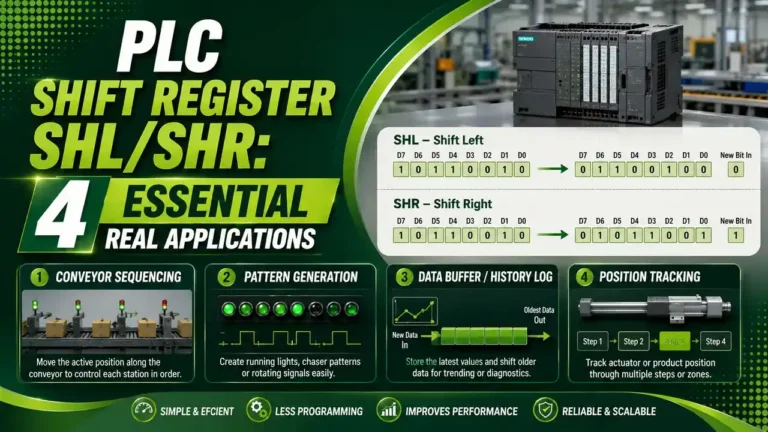
DCS & Automation PLC Shift Register: SHL and SHR A shift register moves every bit in a value one position over, letting a bit act
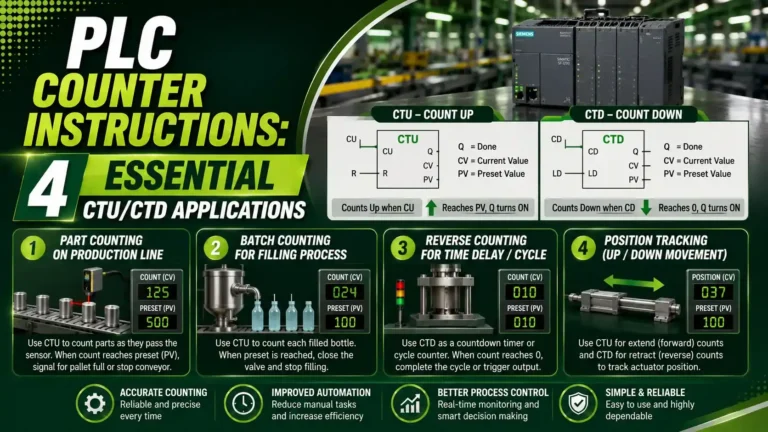
DCS & Automation PLC Counter Instructions: CTU and CTD A CTU counts up toward a target. A CTD counts down toward zero. Both instructions look
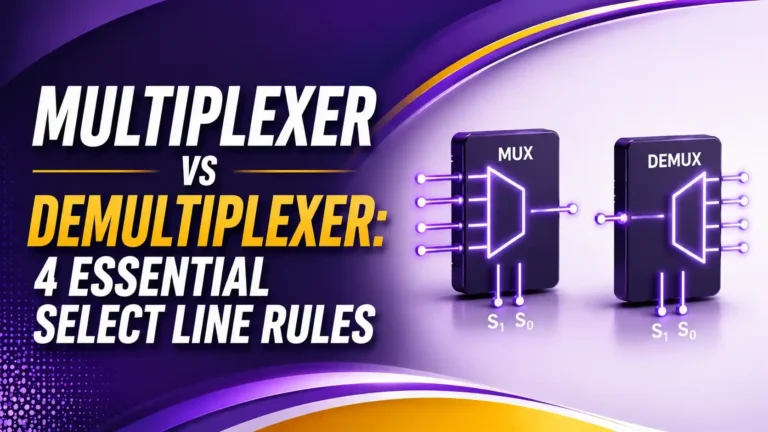
Digital Electronics Multiplexer vs Demultiplexer A multiplexer funnels many signals down to one path. A demultiplexer takes that one path and spreads it back out