Coriolis Flow Meter Troubleshooting: 6 Common Faults, Causes and Fixes
Flow Measurement Coriolis Flow Meter Troubleshooting: 6 Common Faults, Causes and Fixes A Coriolis flow meter is one of the most accurate instruments in a

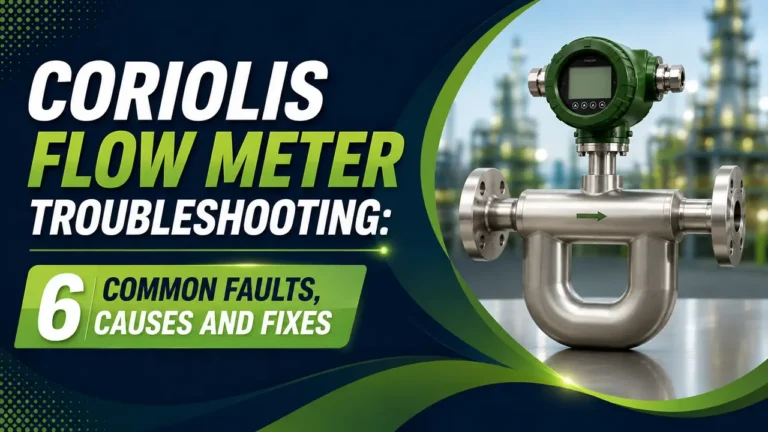
Flow Measurement Coriolis Flow Meter Troubleshooting: 6 Common Faults, Causes and Fixes A Coriolis flow meter is one of the most accurate instruments in a
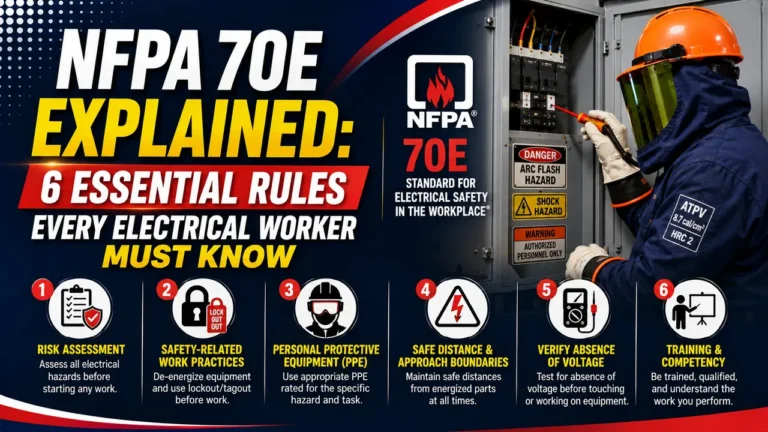
Electrical Safety & Standards NFPA 70E Explained: 6 Essential Rules Every Electrical Worker Must Know NFPA 70E is the US standard for electrical safety in
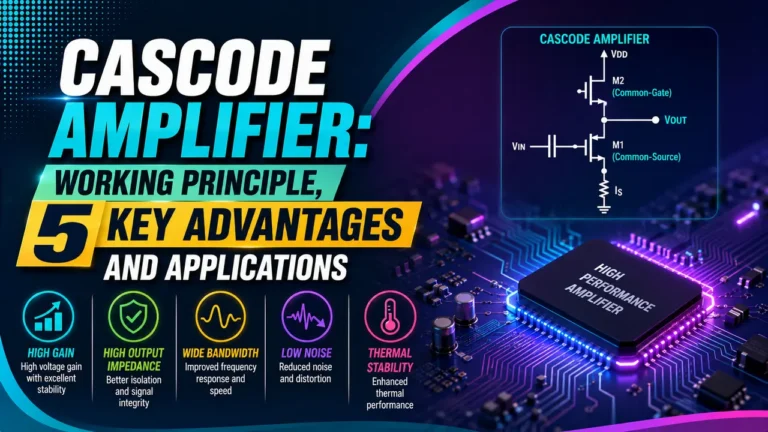
Electronics Cascode Amplifier: Working Principle A cascode amplifier stacks two transistor stages so that the first stage sees a low-impedance load. This one design decision
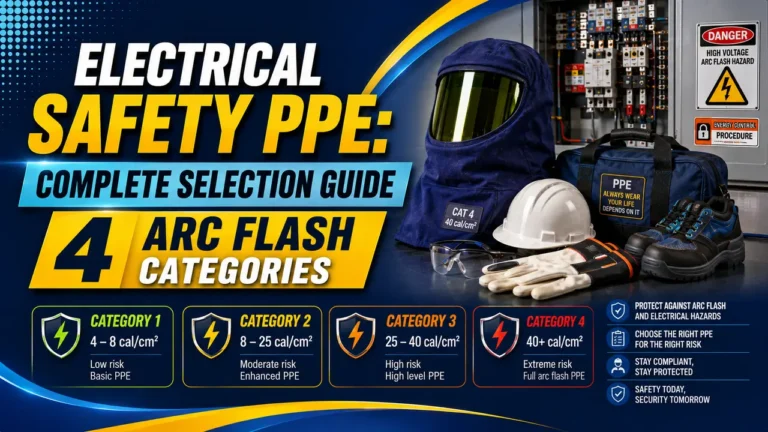
Electrical Safety & Standards Electrical Safety PPE: Complete Selection Guide Choosing the wrong PPE for an electrical task is as dangerous as wearing none at

Electrical Safety & Standards Electrical Shock: Causes, Effects and Prevention: Electrical shock is responsible for hundreds of workplace deaths every year, yet most of these
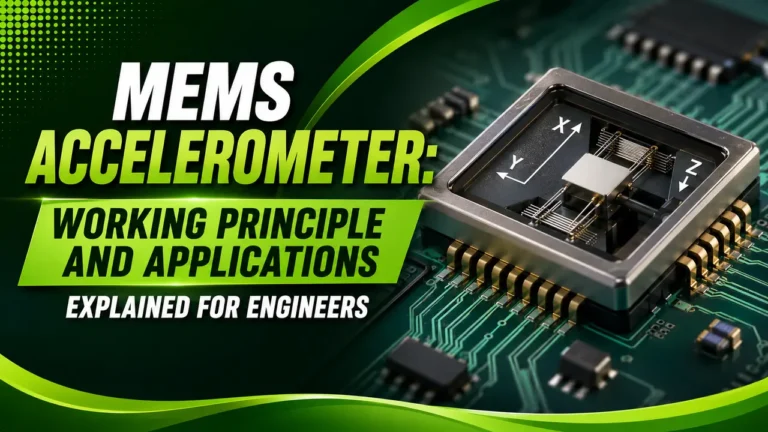
Electronic Sensors MEMS Accelerometer: Working Principle and Applications Explained for Engineers A chip smaller than a fingernail measures acceleration, tilt, vibration, and shock with microvolt-level
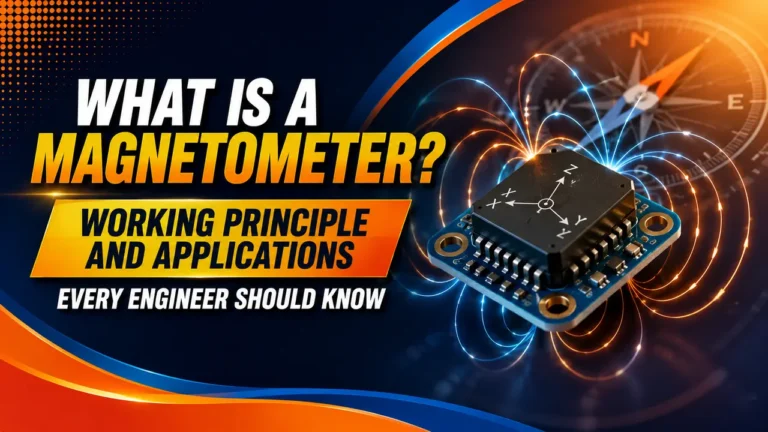
Electronic Sensors What Is a Magnetometer? Working Principle and Applications Every Engineer Should Know A magnetometer measures magnetic field strength and direction. It can detect
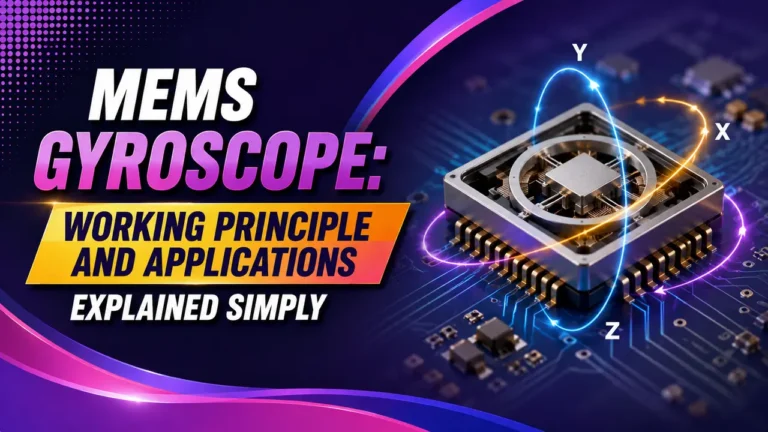
Electronic Sensors MEMS Gyroscope: Working Principle and Applications Explained Simply A MEMS gyroscope measures angular rotation rate using the Coriolis effect on a vibrating silicon
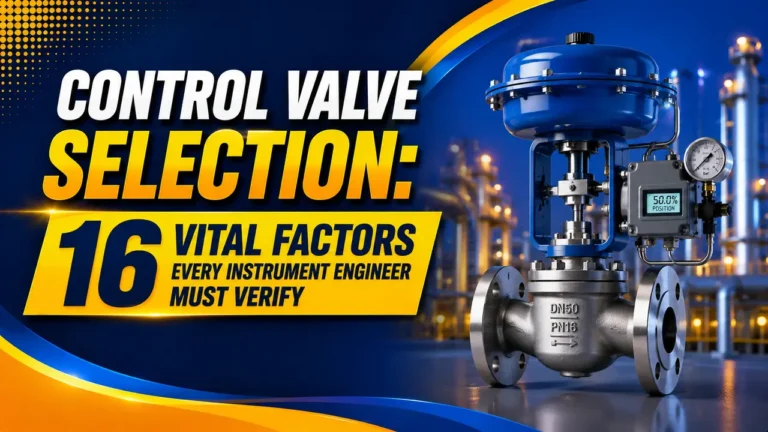
Instrumentation Control Valve Selection: 16 Vital Factors Every Instrument Engineer Must Verify Choosing the wrong control valve is one of the costliest mistakes in process
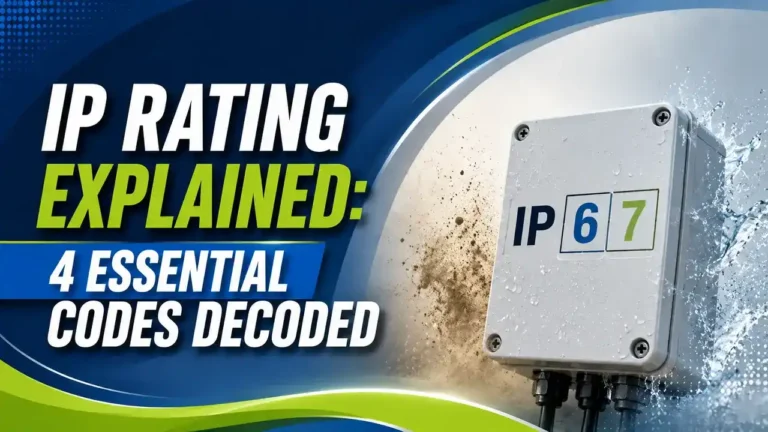
Electrical Fundamentals IP Rating Explained: IEC 60529 Codes, NEMA Comparison and What Each Digit Means An IP rating is a two digit code defined by