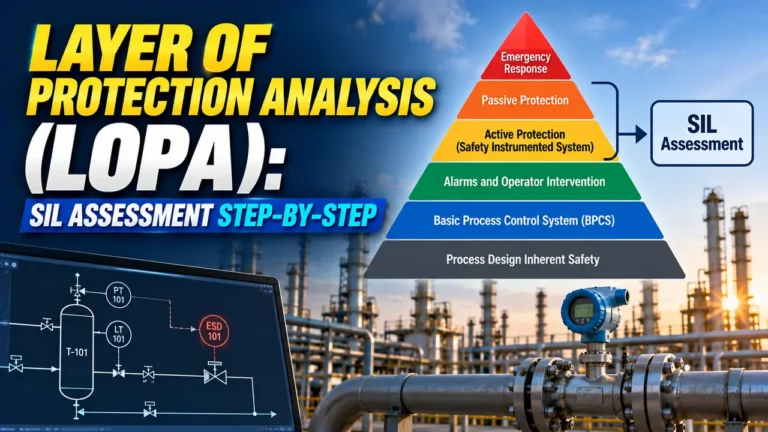
Layer of Protection Analysis (LOPA): SIL Assessment Step-by-Step
Process Safety Layer of Protection Analysis (LOPA): SIL Assessment Step-by-Step LOPA is a semi-quantitative method to determine whether existing safeguards are sufficient and, if not,.

Process Safety Layer of Protection Analysis (LOPA): SIL Assessment Step-by-Step LOPA is a semi-quantitative method to determine whether existing safeguards are sufficient and, if not,.
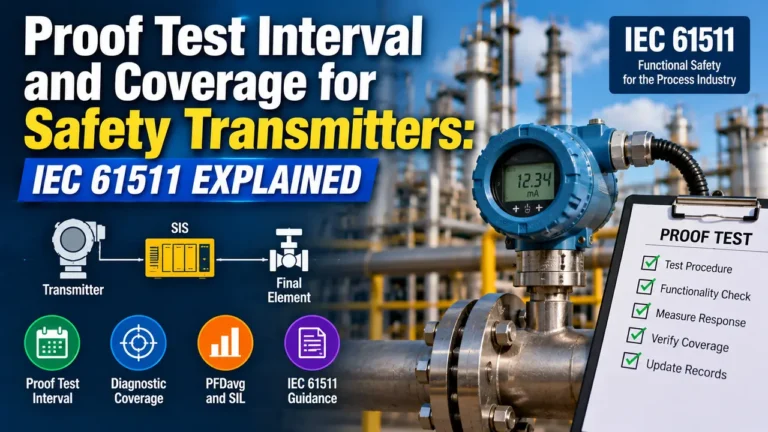
Process Safety / Functional Safety Test interval and Coverage for Safety Transmitters: IEC 61511 Explained A test is a scheduled, documented functional test of a.
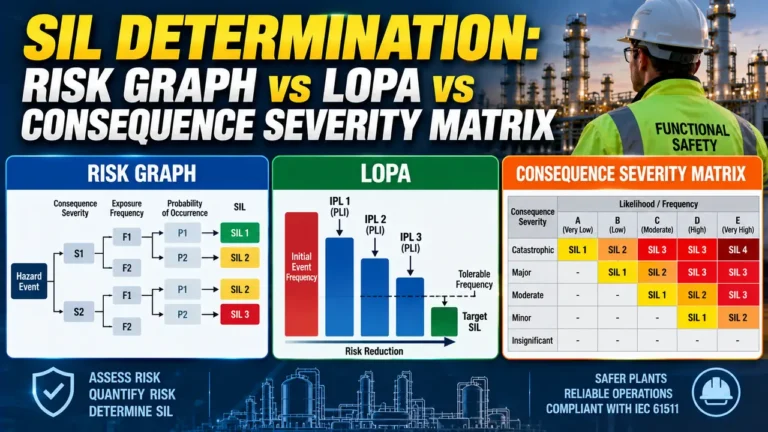
Process Safety / Functional Safety SIL Determination: Risk Graph vs LOPA vs Consequence Severity Matrix SIL determination is the engineering process of deciding what Safety.
Industrial Networking and Protocols IEC 61850 Standard for Substation Automation: GOOSE, MMS and SV Explained IEC 61850 is the international standard for communication in power.
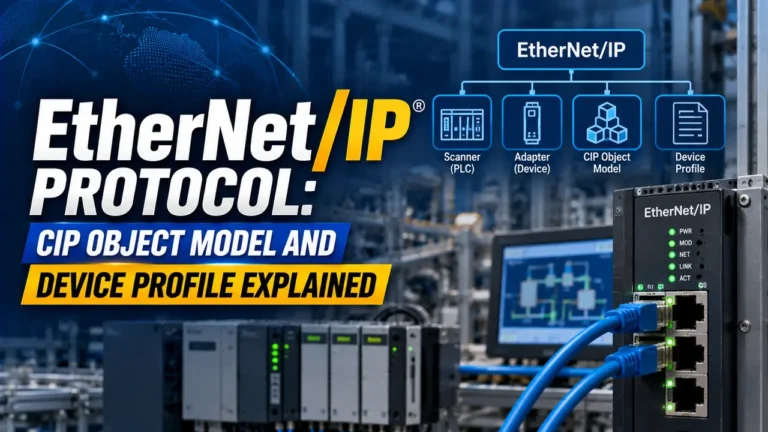
Industrial Networking and Protocols EtherNet IP Protocol: CIP Object Model and Device Profile Explained EtherNet IP is an industrial Ethernet protocol based on CIP (Common.
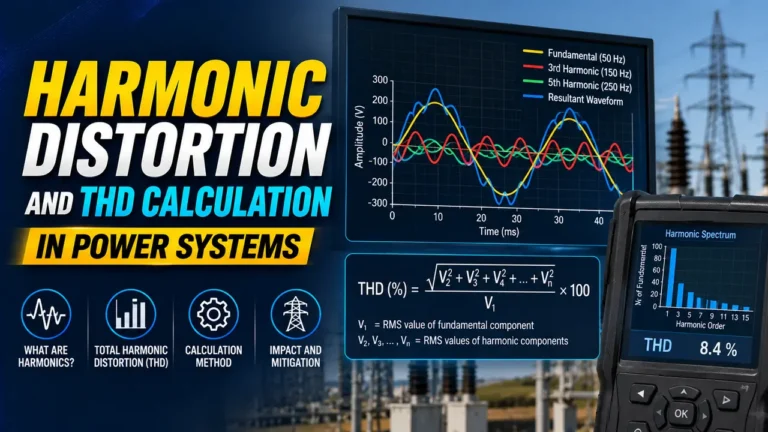
Electrical Fundamentals Harmonic Distortion and THD Calculation in Power Systems Harmonic distortion is the presence of voltages or currents at integer multiples of the supply.
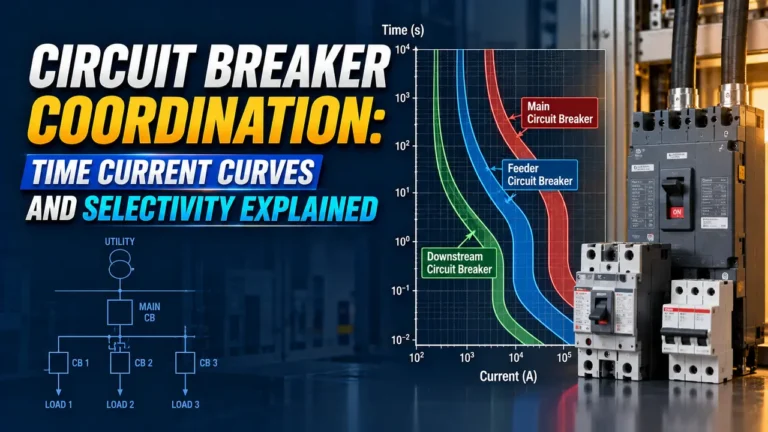
Electrical Fundamentals Circuit Breaker Coordination: Time-Current Curves and Selectivity Explained Circuit breaker coordination means that when a fault occurs, only the breaker closest to the.
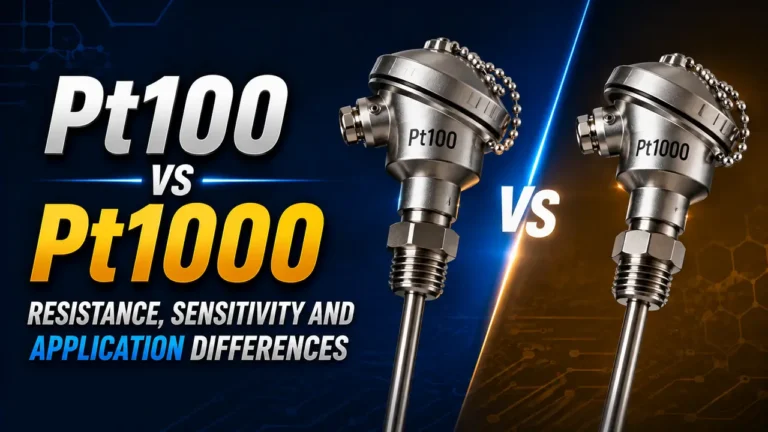
Temperature Measurement Pt100 vs Pt1000: Resistance, Sensitivity and Application Differences The Pt100 vs Pt1000 question comes down to nominal resistance at 0°C: 100 Ω versus.
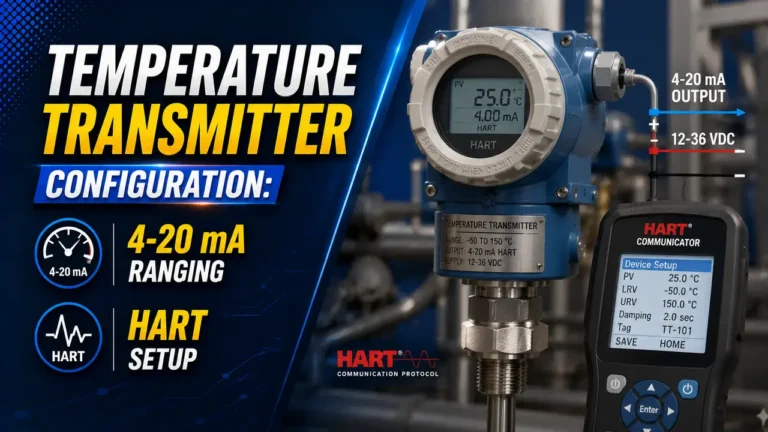
Temperature Measurement Temperature Transmitter Configuration: 4-20 mA Ranging and HART Setup A temperature transmitter configuration must cover means setting the sensor type, LRV, URV, damping,.
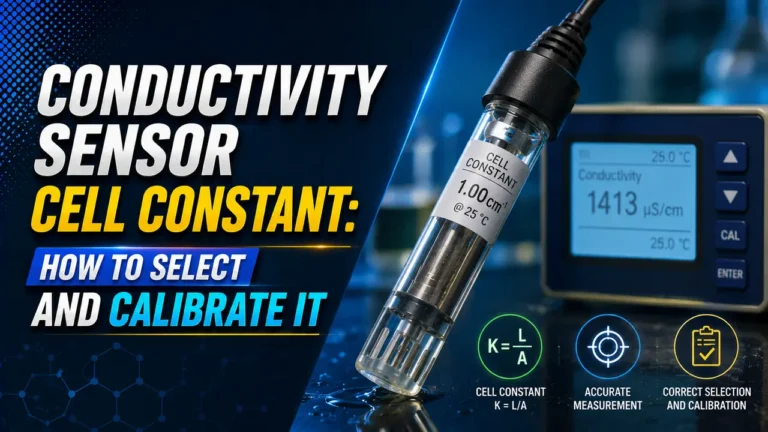
Analytical Measurements Conductivity Sensor Cell Constant: How to Select and Calibrate It The cell constant (K) of a conductivity sensor defines the electrode geometry and.
Hosting, software and hours of research go into every article. Even a small contribution helps us publish more in-depth guides for students, technicians and engineers.