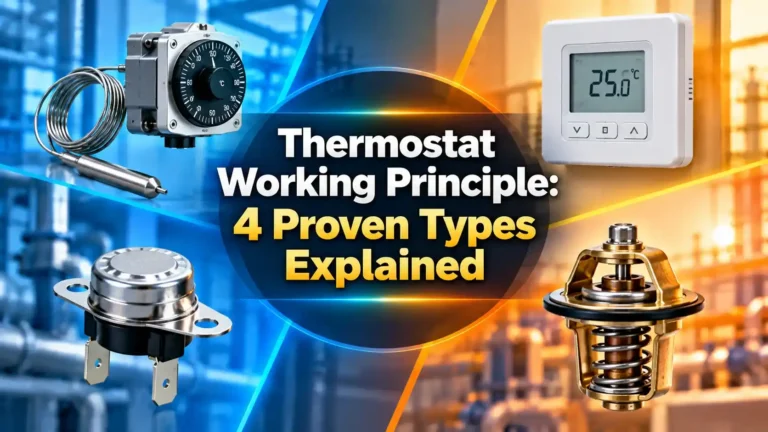
Thermostat Working Principle: 4 Proven Types Explained
Instrumentation Thermostat Working Principle: 4 Proven Types Explained A bimetallic strip bending inside a wall unit and a microcontroller reading a thermistor inside a process.

Instrumentation Thermostat Working Principle: 4 Proven Types Explained A bimetallic strip bending inside a wall unit and a microcontroller reading a thermistor inside a process.
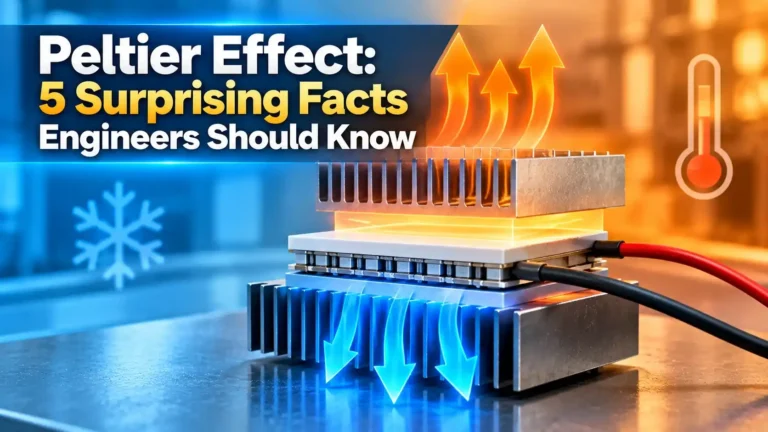
Instrumentation Peltier Effect: 5 Surprising Facts Engineers Should Know A small solid state chip with no moving parts and no refrigerant can pump heat from.
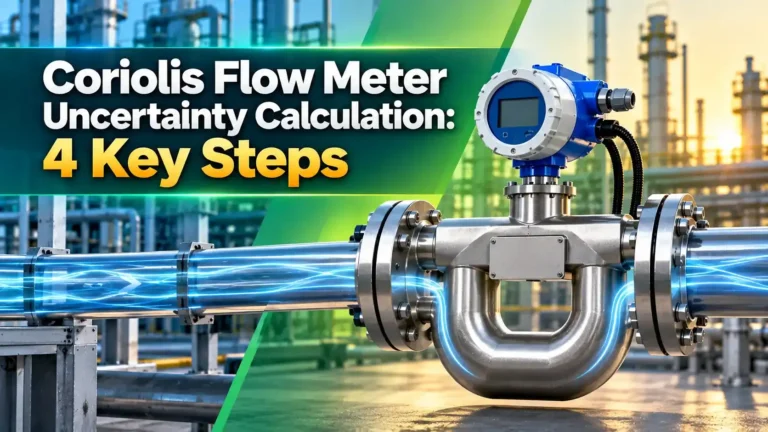
Instrumentation Coriolis Flow Meter Uncertainty Calculation: 4 Key Steps A vendor spec sheet quoting 0.1 percent accuracy almost never tells you the actual uncertainty at.
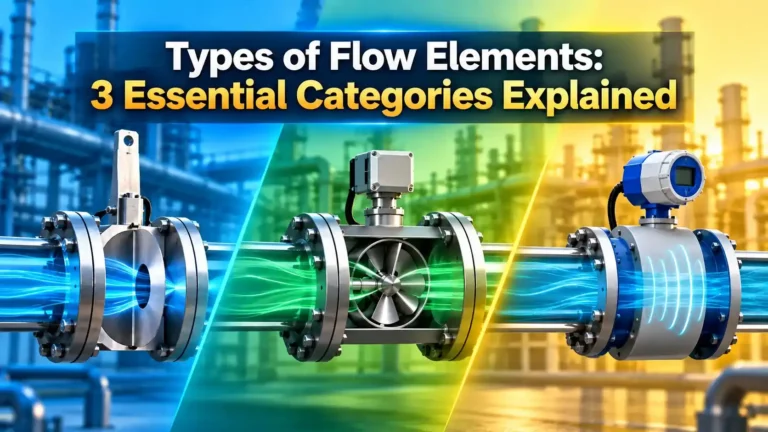
Instrumentation Types of Flow Elements: 3 Essential Categories Explained Every flow meter on a plant relies on some kind of sensing element underneath the electronics,.
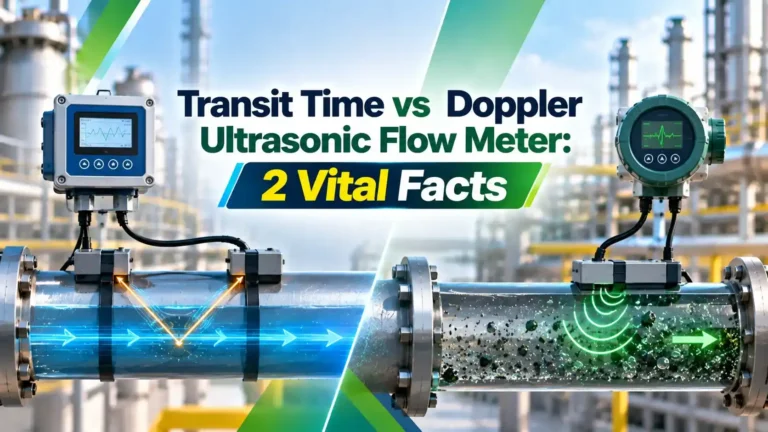
Instrumentation Transit Time vs Doppler Ultrasonic Flow Meter: 2 Vital Facts Two clamp on ultrasonic transducers can look identical on the outside while measuring flow.
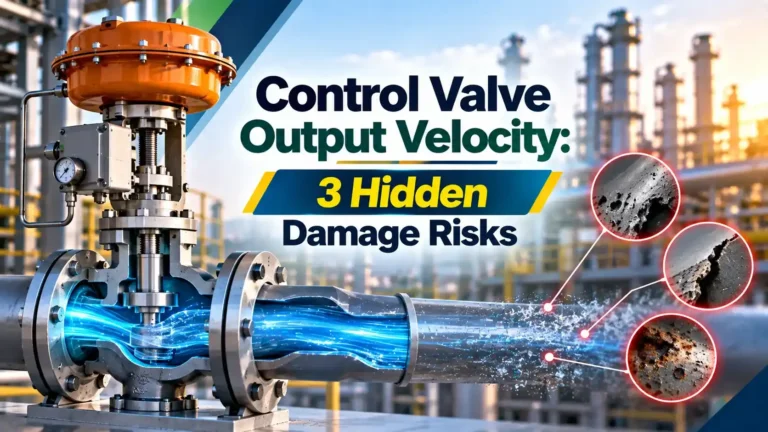
Instrumentation Control Valve Output Velocity: 3 Hidden Damage Risks A control valve that sizes and controls perfectly on paper can still tear itself apart within.
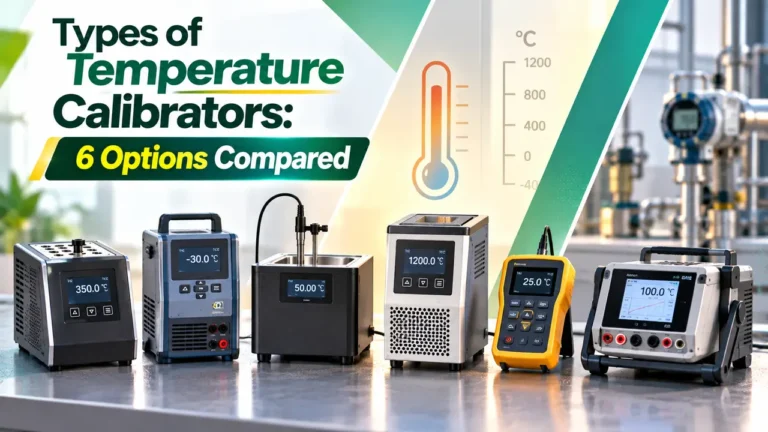
Instrumentation Types of Temperature Calibrators: 6 Options Compared Reaching for the same calibrator for every job is how a lab ends up with a batch.
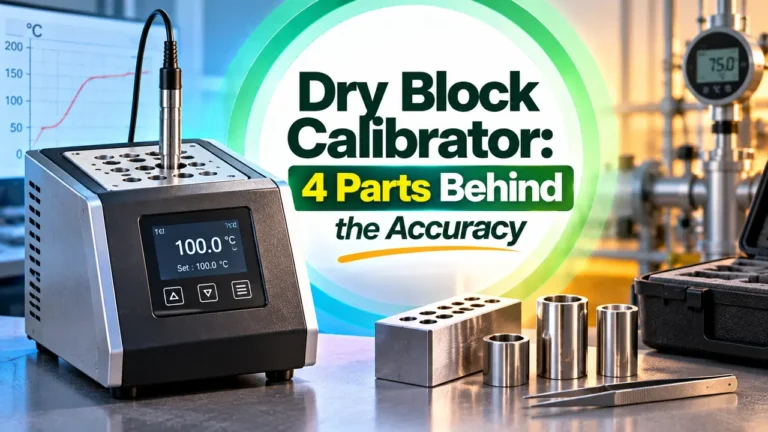
Instrumentation Dry Block Calibrator: 4 Parts Behind the Accuracy No oil bath, no spill risk, and no cleanup, yet this device still gets a technician.
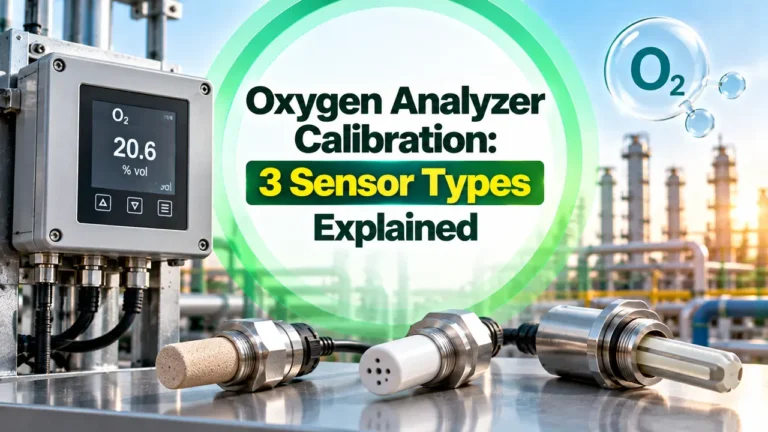
Instrumentation Oxygen Analyzer Calibration: 3 Sensor Types Explained A perfectly good oxygen analyzer can still drift silently for months, until a nitrogen blanket or a.
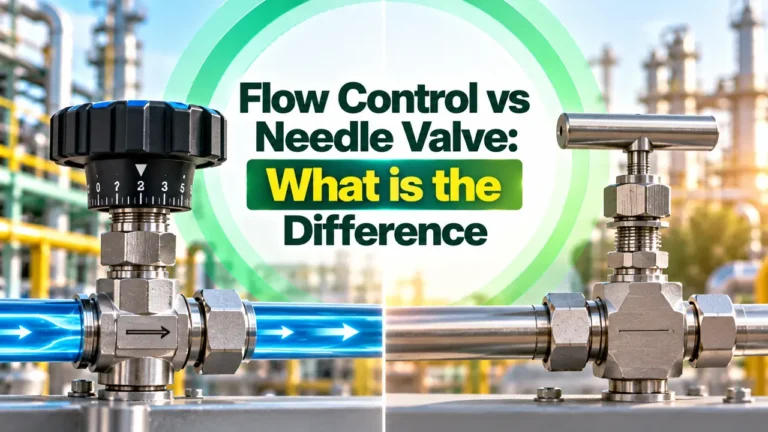
Instrumentation Flow Control vs Needle Valve: 1 Critical Difference Both valves look almost identical on the shelf, use the same tapered stem, and are sold.