Alternator Working Principle Explained
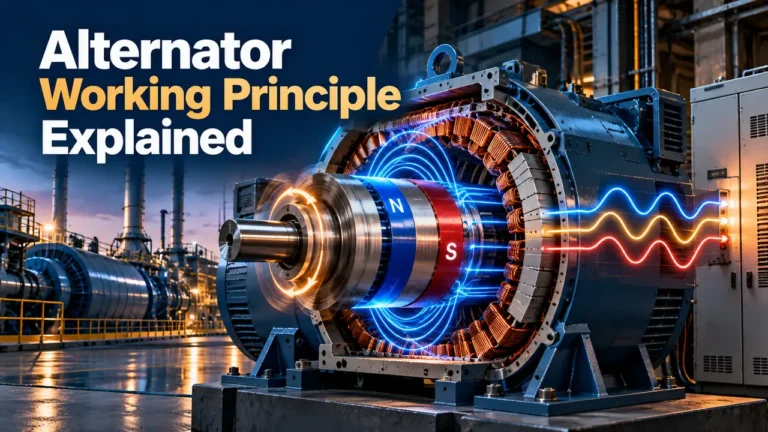
Electrical Machines Alternator Working Principle Explained Every backup generator, power plant, and vehicle charging system relies on the same alternator working principle, a rotating magnetic.

Electrical Machines Alternator Working Principle Explained Every backup generator, power plant, and vehicle charging system relies on the same alternator working principle, a rotating magnetic.
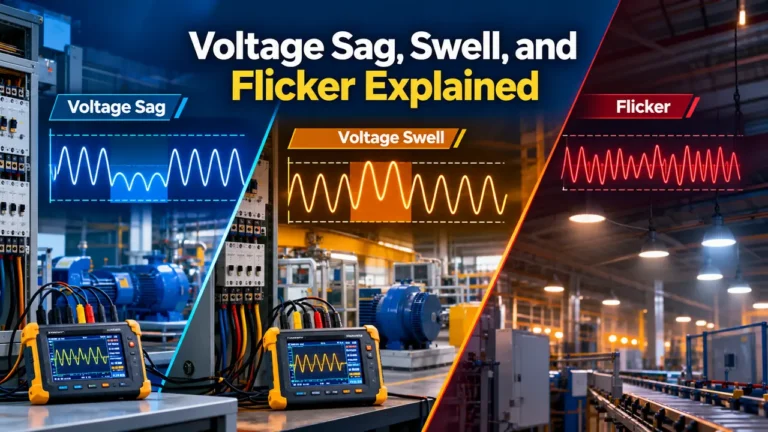
Power Quality and Protection Voltage Sag, Swell, and Flicker Explained Lights that dim for a second, a drive that trips without warning, or a bulb.
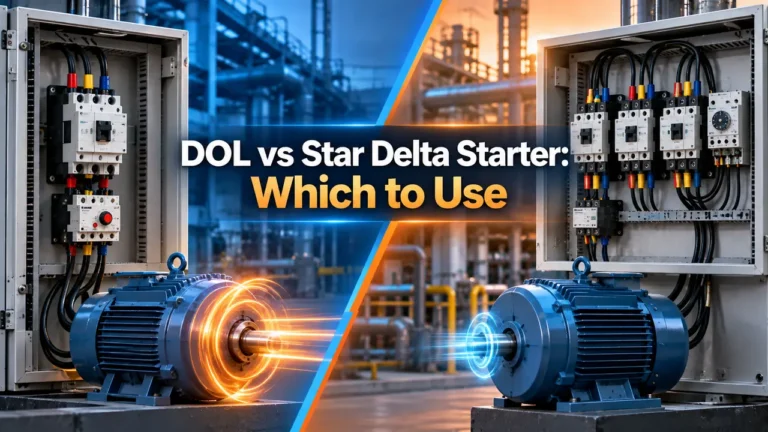
Motors and Drives DOL vs Star Delta Starter: Which to Use Choosing between these two starting methods comes down to motor size, available fault current,.
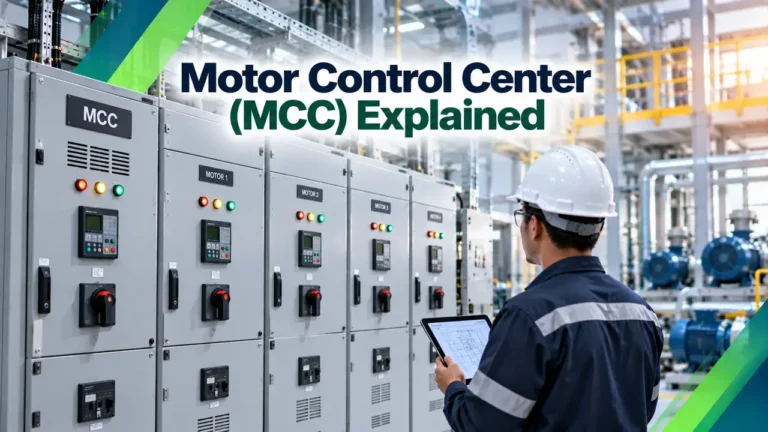
Industrial Electrical Systems Motor Control Center (MCC) Explained Nearly every pump, fan, and compressor motor in a plant traces back to a single steel enclosure.
Electrical Safety Electrical Isolation and Permit to Work: Step-by-Step Safe Isolation Procedure Safe isolation is the process of making electrical equipment dead, proving it is.
Electrical Fundamentals Cable Tray Fill Calculation: NEC Article 392 and IEC Methods Cable tray fill calculation determines how many cables can be safely installed without.
Electrical Safety NFPA 70E Arc Flash Boundary Calculation: Incident Energy Method Arc flash boundary calculation determines the safe working distances from energised equipment. The incident.
Electrical Fundamentals Electric Motor Insulation Classes: Class A, B, F and H Explained Motor insulation class defines the maximum temperature the winding insulation can withstand.
Electrical Fundamentals Motor Protection Relay Types: Overload, Short Circuit and Earth Fault A motor protection relay detects abnormal conditions and trips the contactor before damage.
DCS and Automation VFD Parameter Configuration: Acceleration, Deceleration and V/f Ratio Explained Three parameters determine how a VFD handles its motor: the acceleration ramp time,.