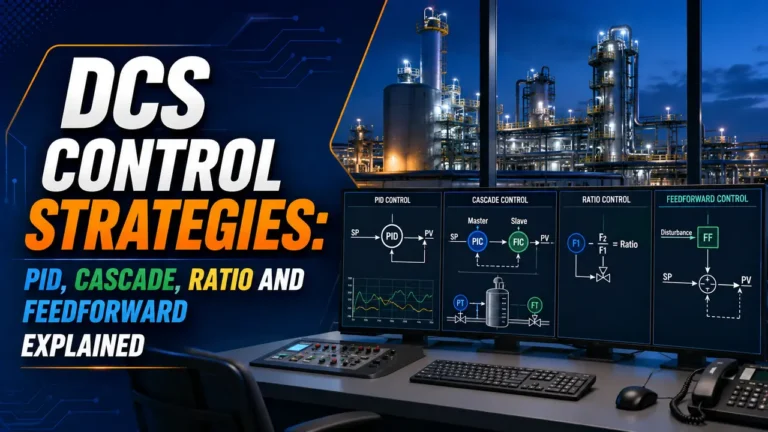
DCS Control Strategies: PID, Cascade, Ratio and Feedforward Explained
DCS and Automation DCS Control Strategies: PID, Cascade, Ratio and Feedforward A DCS can run several control strategies in parallel. PID handles most single-loop regulatory.

DCS and Automation DCS Control Strategies: PID, Cascade, Ratio and Feedforward A DCS can run several control strategies in parallel. PID handles most single-loop regulatory.
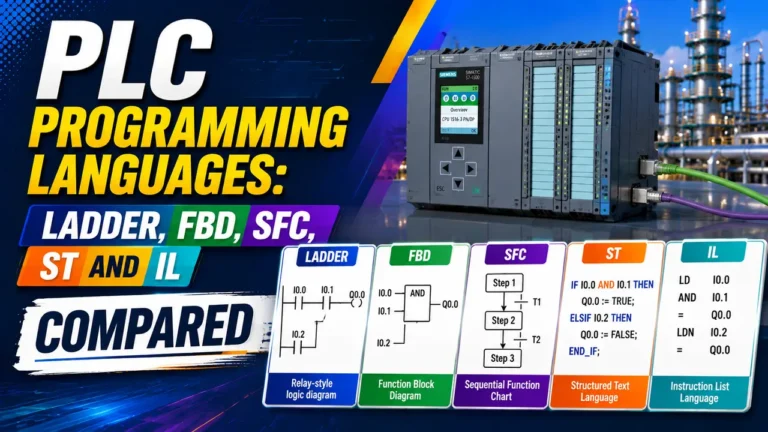
DCS and Automation PLC Programming Languages Compared IEC 61131-3 defines five standard PLC programming languages, each suited to a different type of problem. Knowing when.
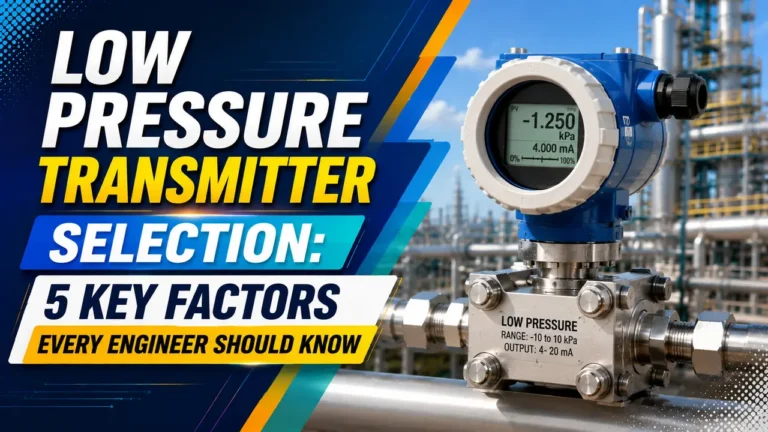
Instrumentation Low Pressure Transmitter Selection: 5 Key Factors Every Engineer Should Know Low pressure transmitter selection presents challenges that high pressure applications rarely face. At.
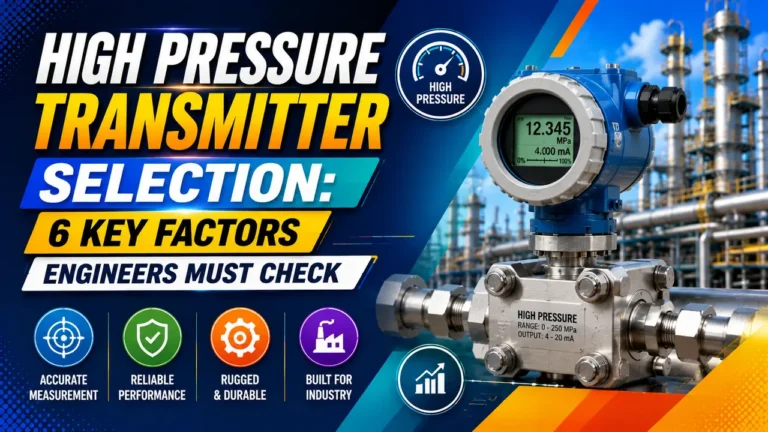
Instrumentation High Pressure Transmitter Selection: 6 Key Factors Engineers Must Check High pressure transmitter selection involves more than picking a pressure range. The sensing technology,.
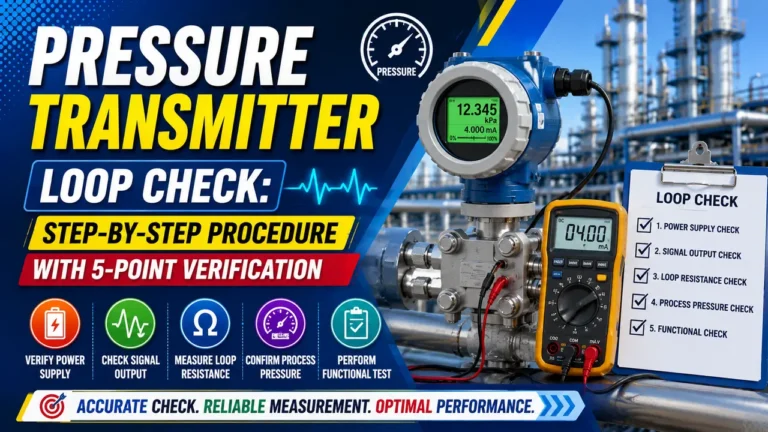
Instrumentation Pressure Transmitter Loop Check: Step by Step Procedure with 5-Point Verification A loop check verifies every component in the instrument loop is correctly installed,.
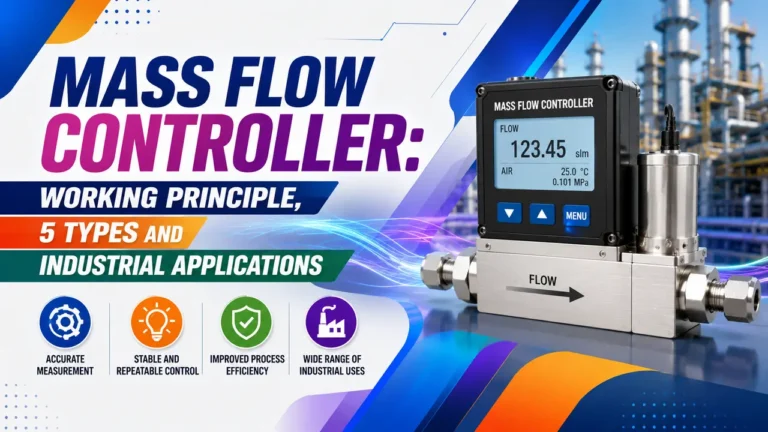
Instrumentation Mass Flow Controller: Working Principle, 5 Types and Industrial Applications A mass flow controller measures and controls gas or liquid flow by mass, not.
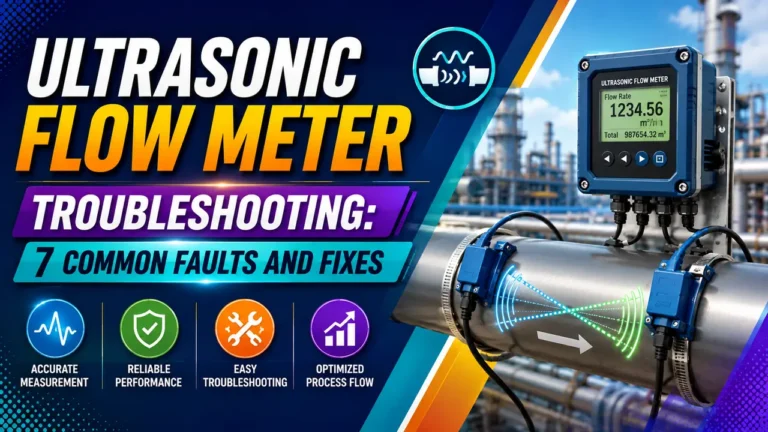
Flow Measurement Ultrasonic Flow Meter Troubleshooting: 7 Common Faults and Fixes Ultrasonic flow meters offer non intrusive measurement with no pressure drop and no moving.
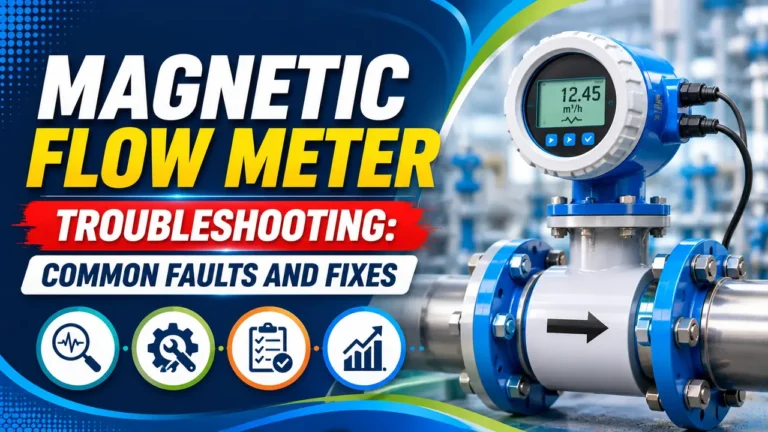
Flow Measurement Magnetic Flow Meter Troubleshooting: 8 Common Faults and Fixes A magnetic flow meter has no moving parts and no obstruction in the flow.
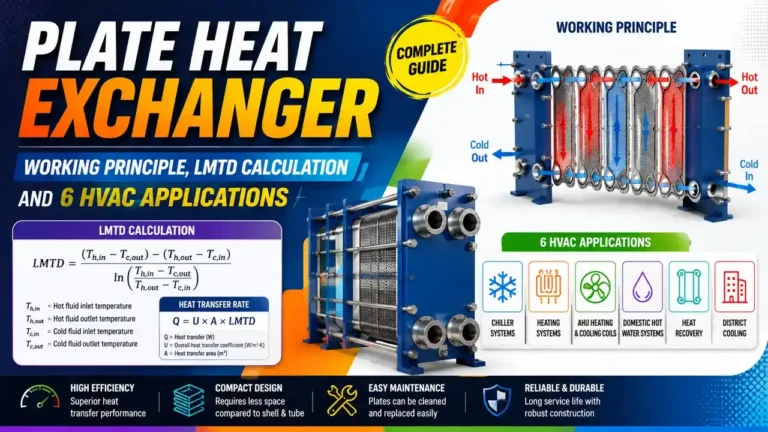
Instrumentation Plate Heat Exchanger: Working Principle, LMTD Calculation and 6 HVAC Applications A plate heat exchanger transfers heat between two fluid streams through corrugated metal.
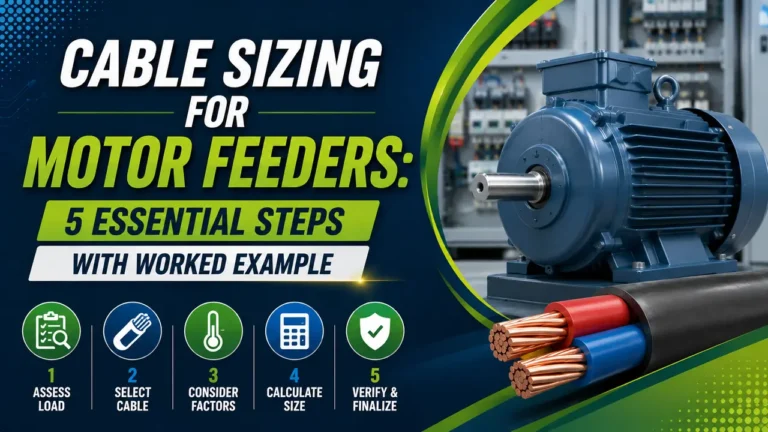
Electrical Design & Calculations Cable Sizing for Motor Feeders: 5 Essential Steps with Worked Example Selecting a cable for a motor feeder is not simply.
Hosting, software and hours of research go into every article. Even a small contribution helps us publish more in-depth guides for students, technicians and engineers.