HAZOP Study Explained: Guide Words and Method
Process Safety HAZOP Study Explained A HAZOP study is a structured way of asking one question over and over across a whole process: what happens.

Process Safety HAZOP Study Explained A HAZOP study is a structured way of asking one question over and over across a whole process: what happens.
Electrical Fundamentals Ground Loop: Causes and Prevention A ground loop forms whenever a signal circuit ends up connected to earth at two separate points that.
DCS & Automation SIS Final Element Reliability: Why Valves Often Dominate SIF Performance Final element reliability decides more of a SIF’s PFDavg than most engineers.
DCS & Automation Safe Failure Fraction Explained in Functional Safety Safe failure fraction is one number that quietly decides how much extra hardware redundancy a.
DCS & Automation SIL Verification vs SIL Validation: What Is the Difference? SIL verification vs SIL validation confuses many engineers because both terms sound similar,.
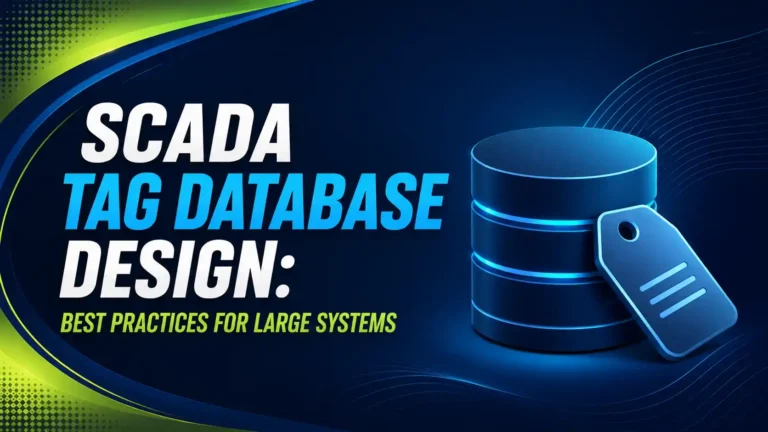
DCS & Automation SCADA Tag Database Design: Best Practices for Large Systems Every value a SCADA system shows on screen starts life as a tag..
DCS & Automation SCADA Alarm Management: Complete Engineering Guide SCADA alarm management is the discipline of designing, tuning, and monitoring alarms so operators get warned.
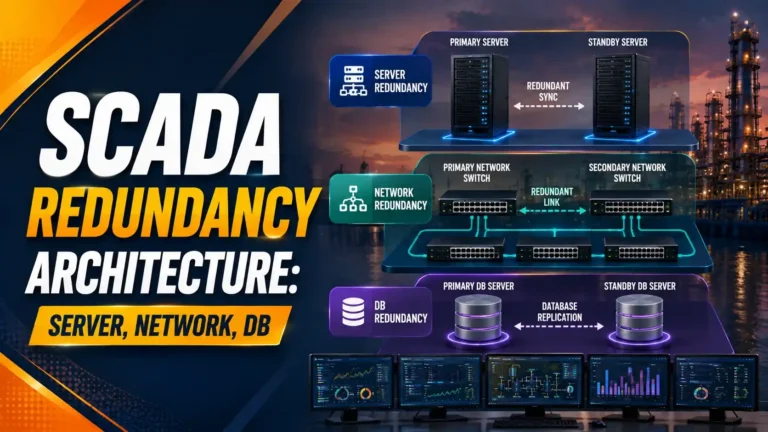
DCS & Automation SCADA Redundancy Architecture: Server, Network and Database Failover SCADA redundancy architecture means protecting every layer that keeps a SCADA system running, the.
DCS & Automation DCS Historian Explained: How Process Data Is Stored and Used A DCS historian is the part of the system that remembers everything.
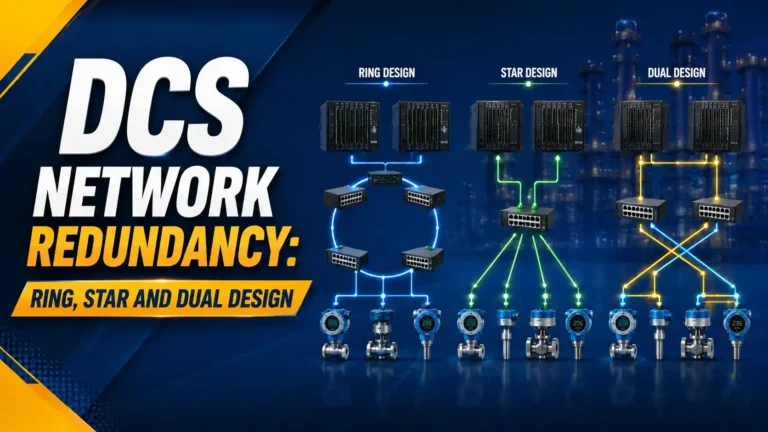
DCS & Automation DCS Network Redundancy DCS network redundancy means building the plant communication network so one broken cable or one dead switch never stops.
Hosting, software and hours of research go into every article. Even a small contribution helps us publish more in-depth guides for students, technicians and engineers.