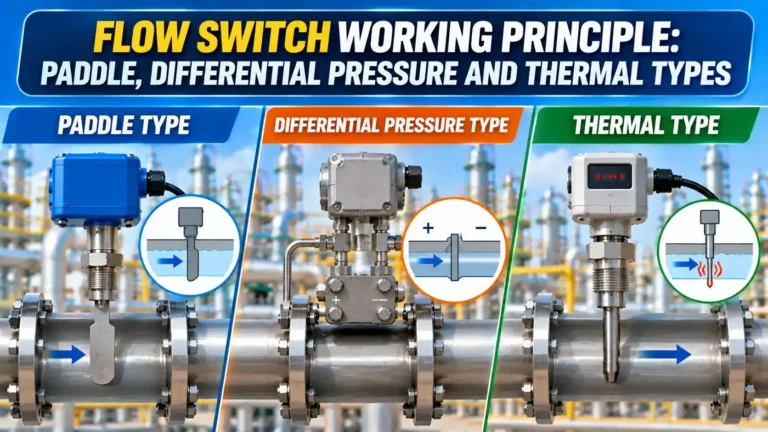
Flow Switch Working Principle: Paddle, Differential Pressure and Thermal Types
Process Instrumentation Flow Switch Working Principle: Paddle, Differential Pressure and Thermal Types A flow switch detects the presence or absence of flow in a pipe.

Process Instrumentation Flow Switch Working Principle: Paddle, Differential Pressure and Thermal Types A flow switch detects the presence or absence of flow in a pipe.
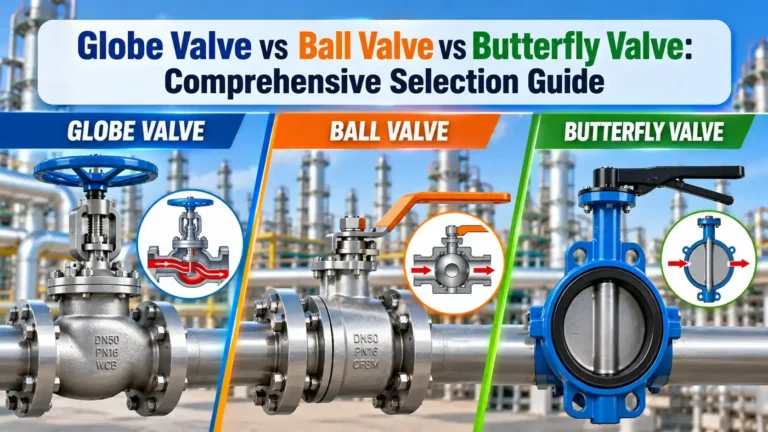
Process Instrumentation Globe Valve vs Ball Valve vs Butterfly Valve: Comprehensive Selection Guide Globe valves, ball valves, and butterfly valves are the three most common.
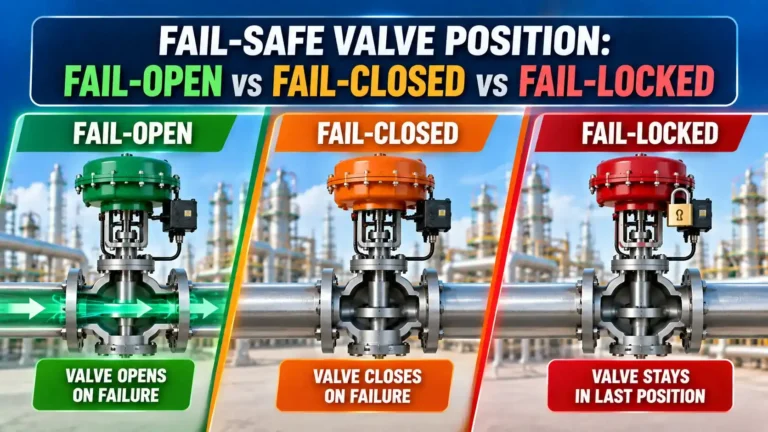
Process Instrumentation Fail Safe Valve Position: Fail Open vs Fail Closed vs Fail Locked A fail-safe valve position is the position a control valve moves.
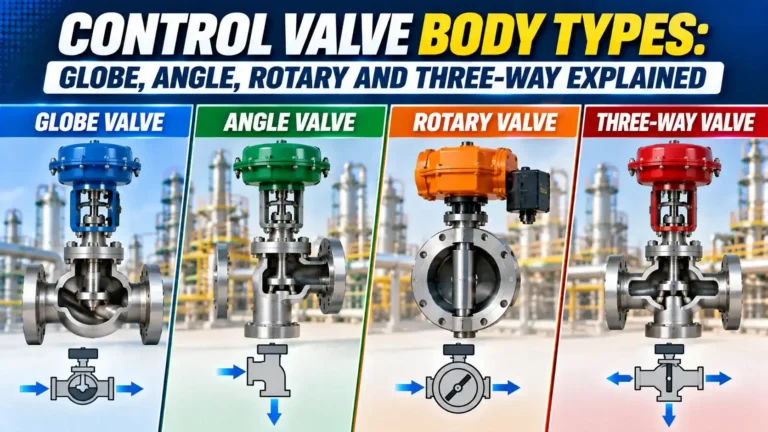
Process Instrumentation Control Valve Body Types: Globe, Angle, Rotary and Three-Way Explained The control valve body is the pressure-containing shell that houses the trim and.
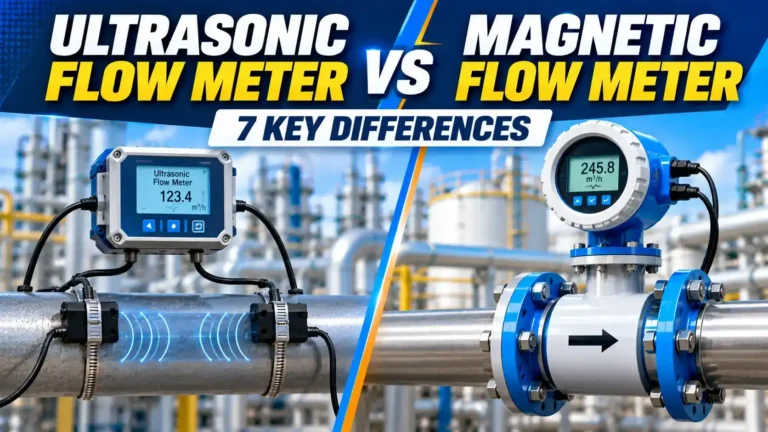
Process Instrumentation Ultrasonic Flow Meter vs Magnetic Flow Meter: 7 Key Differences Both the ultrasonic flow meter and the magnetic flow meter are non-intrusive, no-moving-parts.
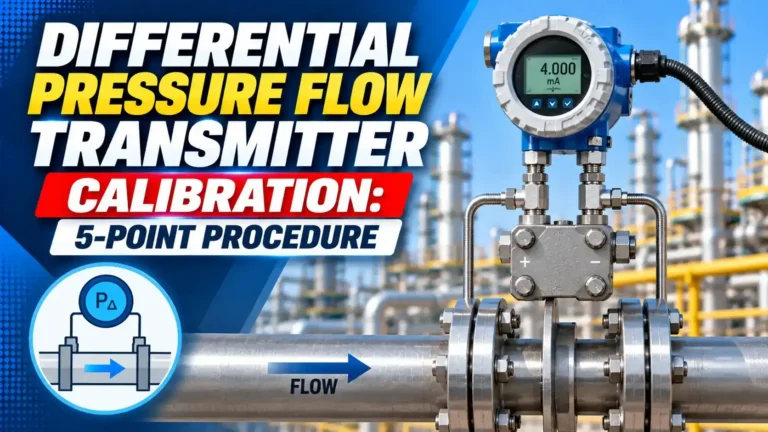
Process Instrumentation Differential Pressure Flow Transmitter Calibration: 5-Point Procedure A DP flow transmitter converts a differential pressure signal from an orifice plate, flow nozzle, or.
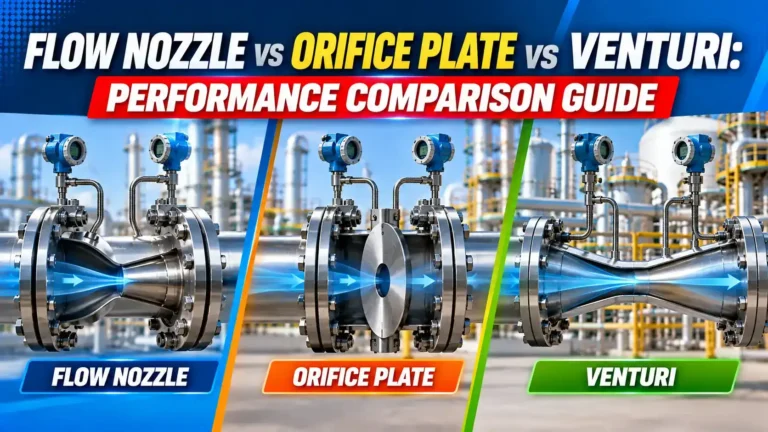
Process Instrumentation Flow Nozzle vs Orifice Plate vs Venturi: Performance Comparison Guide All three are differential pressure (DP) flow meters working on the Bernoulli equation..
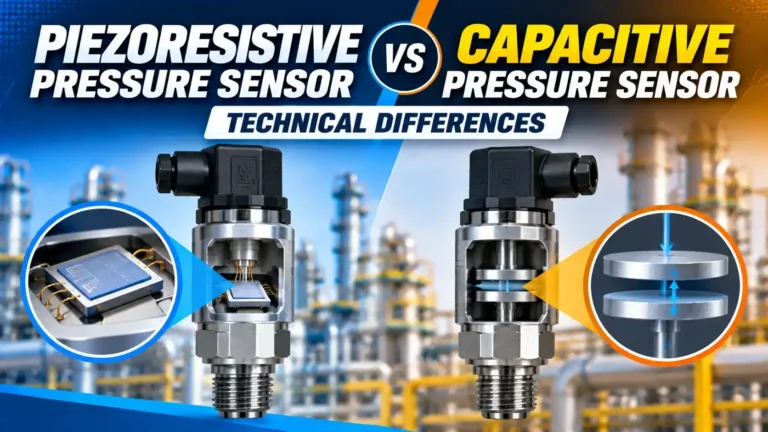
Process Instrumentation Piezoresistive vs Capacitive Pressure Sensor: Technical Differences The piezoresistive pressure sensor and the capacitive pressure sensor are the two dominant MEMS-based sensing technologies.
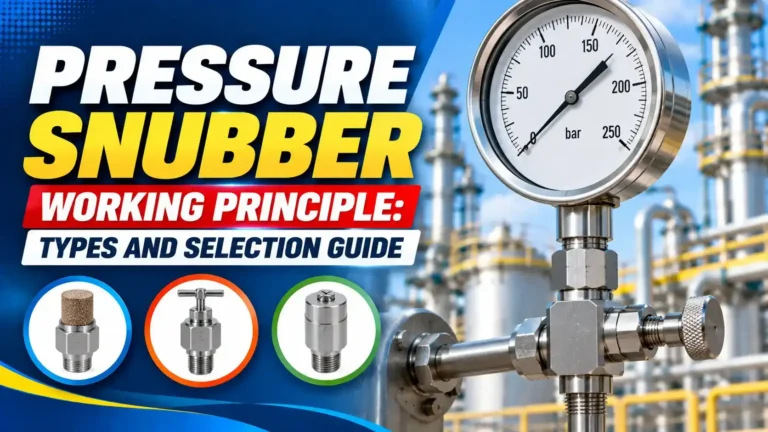
Process Instrumentation Pressure Snubber Working Principle: Types and Selection Guide A pressure snubber is installed between a pressure source and a gauge or transmitter to.
Process Instrumentation How to Select a Pressure Gauge: 7 Key Factors Including Fill Fluid Selecting a pressure gauge correctly means matching seven parameters to the.
Hosting, software and hours of research go into every article. Even a small contribution helps us publish more in-depth guides for students, technicians and engineers.