Boost Converter Working Principle: Output Voltage Formula and Design
Electrical Fundamentals Boost Converter Working Principle: Output Voltage Formula and Design A boost converter is a DC-DC power supply that steps up an input voltage.

Electrical Fundamentals Boost Converter Working Principle: Output Voltage Formula and Design A boost converter is a DC-DC power supply that steps up an input voltage.
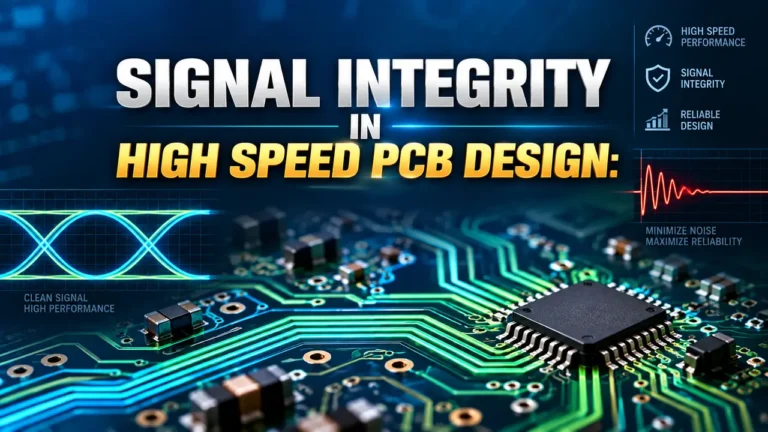
Digital Electronics Signal Integrity in High Speed PCB Design: 5 Critical Rules Signal integrity is the ability of an electrical signal to reach its destination.
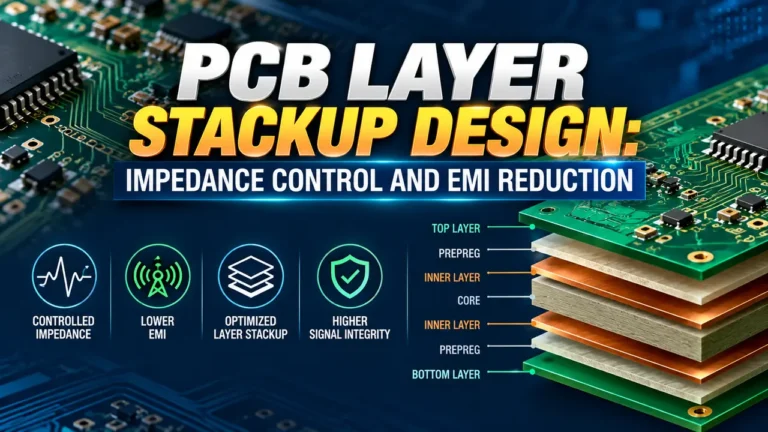
Digital Electronics PCB Layer Stackup Design A PCB layer stackup is the arrangement of copper and dielectric layers in a printed circuit board. The stackup.
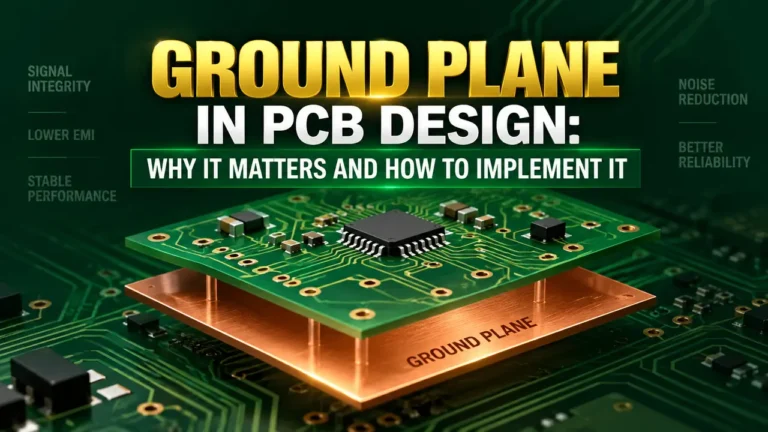
Digital Electronics Ground Plane in PCB Design: Why It Matters and How to Implement It A ground plane is a solid copper layer in a.
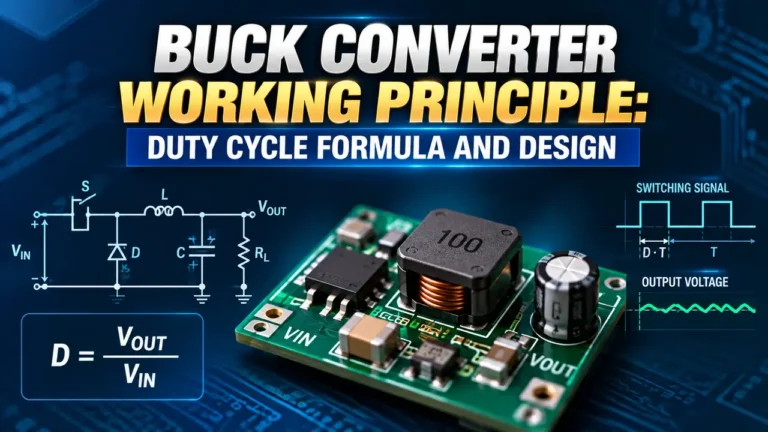
Electrical Fundamentals Buck Converter Working Principle: Duty Cycle Formula and Design Guide A buck converter steps down a DC input voltage to a lower DC.
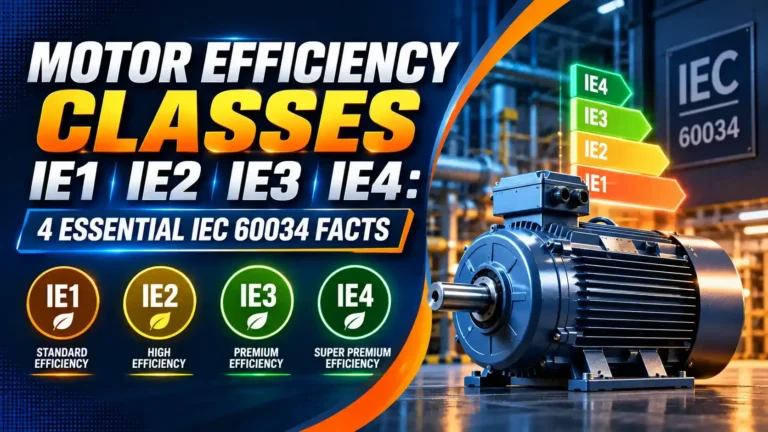
Electrical Fundamentals Motor Efficiency Classes IE1 IE2 IE3 IE4: 4 Essential IEC 60034 Facts Motor efficiency classes are defined by IEC 60034-30-1. This standard sets.
DCS and Automation PLC Fault Handling: Major Fault, Minor Fault Codes and Recovery Steps A PLC fault stops or disrupts the scan cycle and requires.
Process Instrumentation Pressure Switch Deadband and Setpoint: How to Configure Them Correctly A pressure switch setpoint is the pressure at which the switch contact trips..
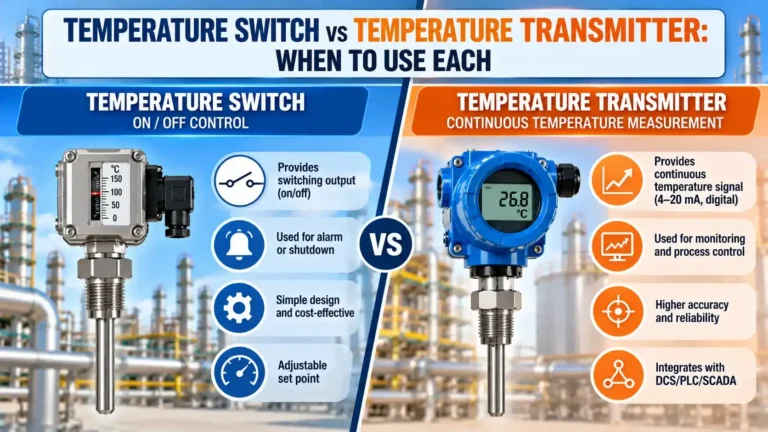
Temperature Measurement Temperature Switch vs Temperature Transmitter: When to Use Each A temperature switch gives a discrete relay contact when temperature crosses a setpoint. A.
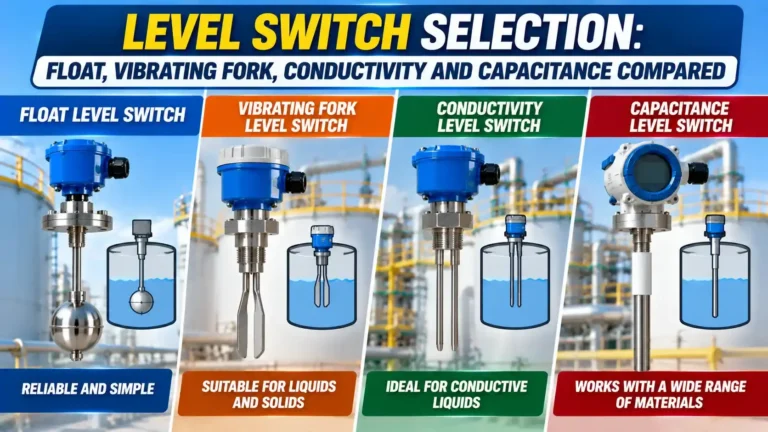
Level Measurement Level Switch Selection: Float, Vibrating Fork, Conductivity and Capacitance Compared A level switch detects whether the liquid level has reached a specific point.
Hosting, software and hours of research go into every article. Even a small contribution helps us publish more in-depth guides for students, technicians and engineers.