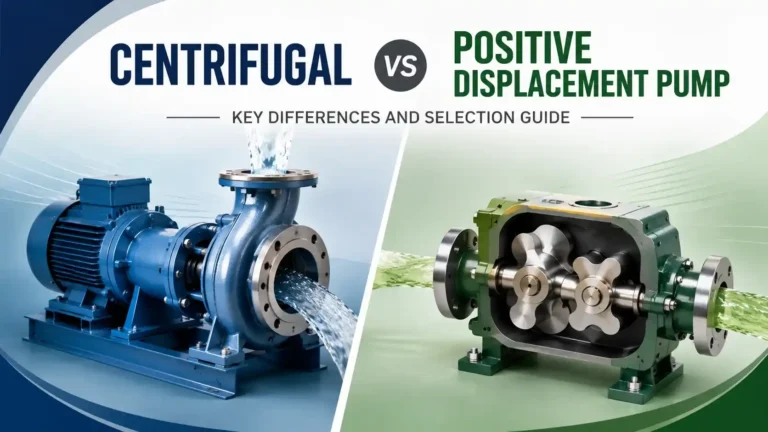
Centrifugal vs Positive Displacement Pump: Key Differences and Selection Guide
Flow & Pump Systems Centrifugal vs Positive Displacement Pump: Key Differences and Selection Guide One pump makes fluid move faster and calls the pressure a.

Flow & Pump Systems Centrifugal vs Positive Displacement Pump: Key Differences and Selection Guide One pump makes fluid move faster and calls the pressure a.
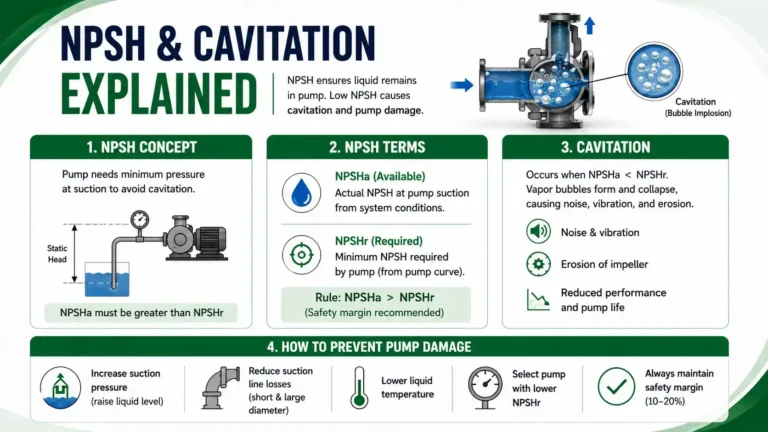
Flow & Pump Systems NPSH and Cavitation Explained: NPSHa, NPSHr, and How to Prevent Pump Damage A pump that sounds like it’s grinding gravel isn’t.
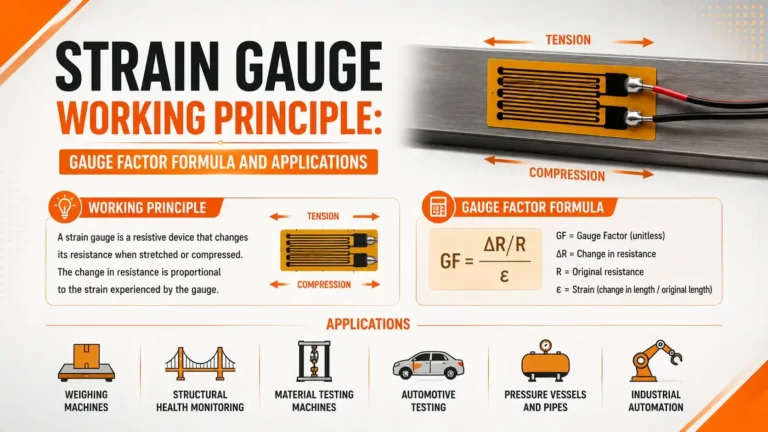
Process Instrumentation Strain Gauge Working Principle: Gauge Factor Formula and Applications A hair-thin zigzag of metal foil, glued to a surface, quietly reports back exactly.
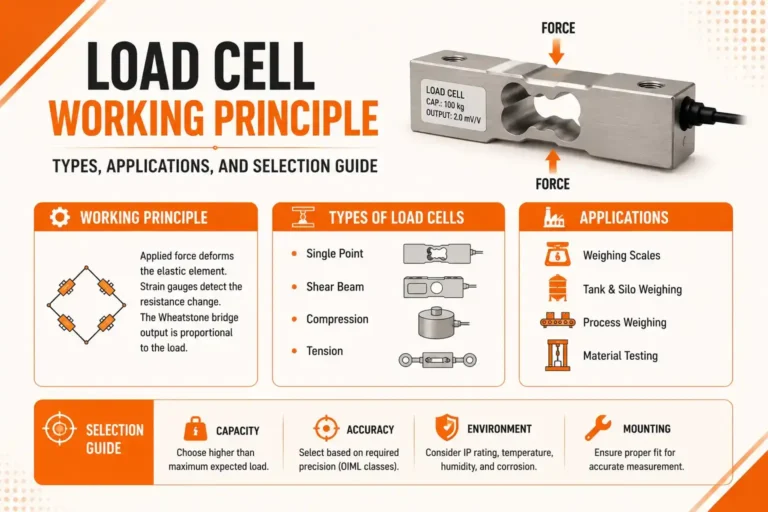
Electronics Load Cell Working Principle A load cell is the part of a weighing system that actually feels the weight. Everything else, the indicator, the.
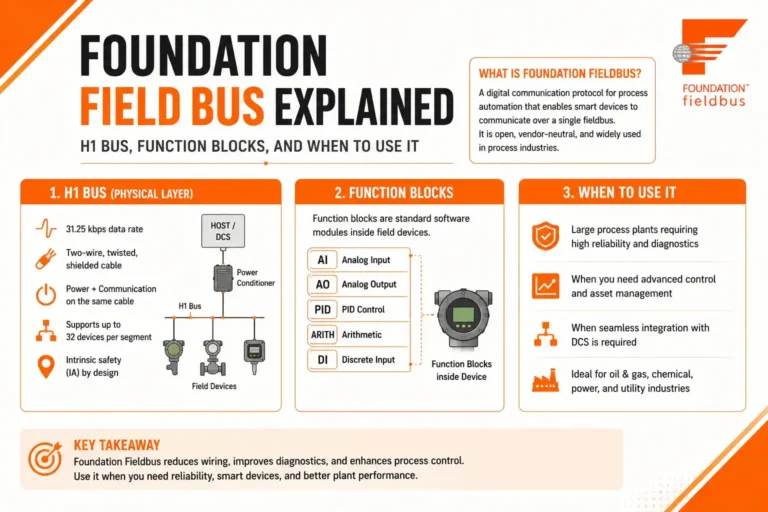
Automation & Communication Protocols Foundation Fieldbus Explained: H1 Bus, Function Blocks, and When to Use It Instead of one wire per instrument running all the.
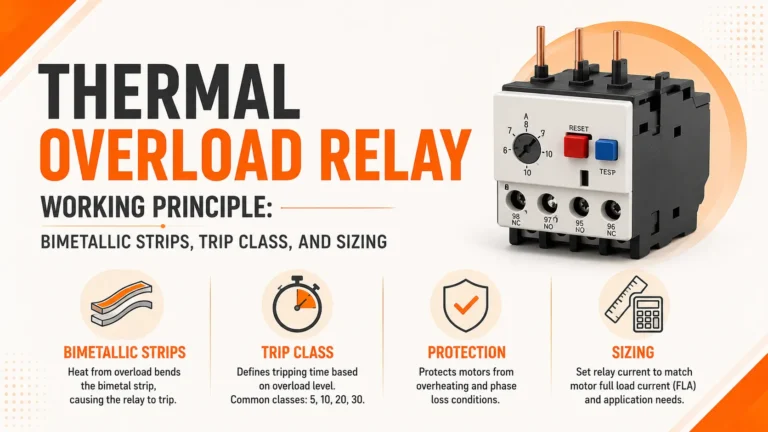
Electrical Machines & Protection Thermal Overload Relay Working Principle: Bimetallic Strips, Trip Class, and Sizing Two strips of metal, glued together, bending at different rates.
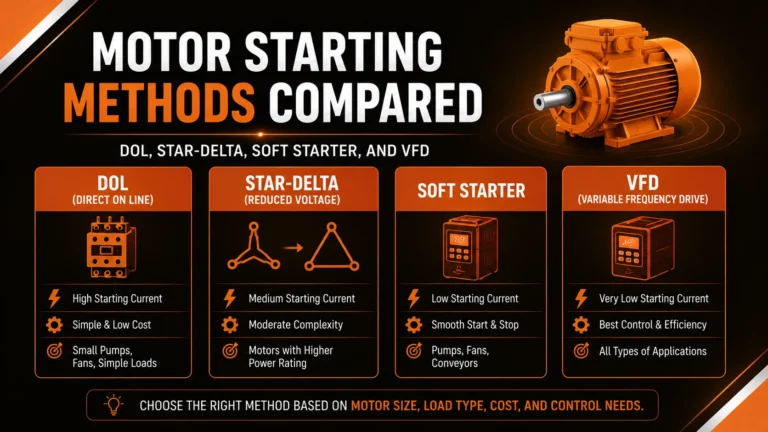
Electrical Machines Motor Starting Methods Compared: DOL, Star-Delta, Soft Starter, and VFD A motor at standstill looks like a dead short to the supply. Every.
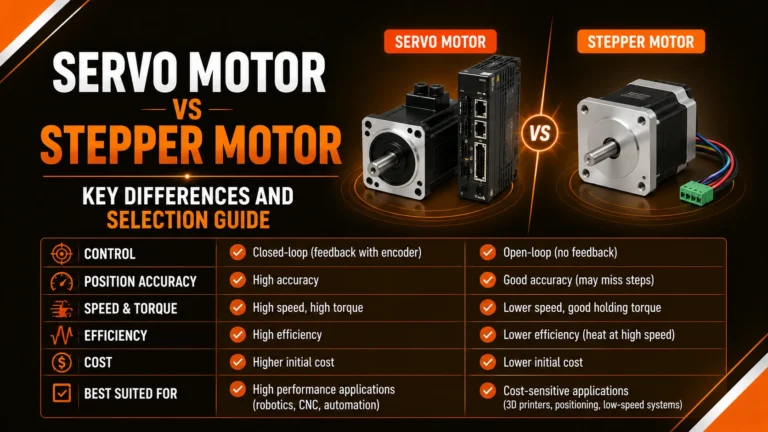
Motion Control & Automation Servo Motor vs Stepper Motor: Key Differences and Selection Guide One moves blind and trusts every pulse landed correctly. The other.
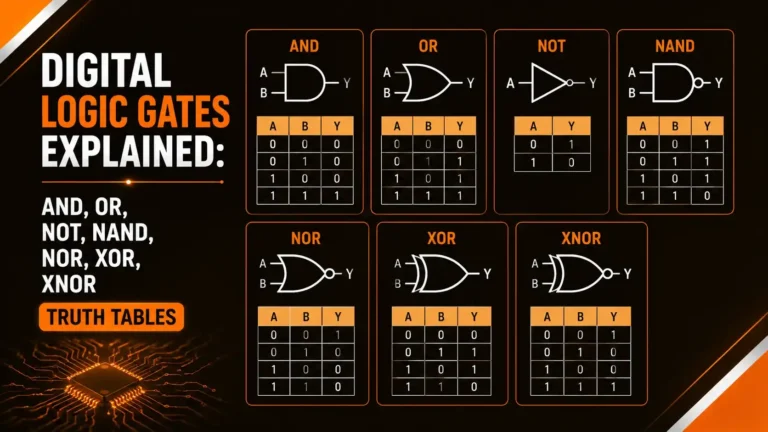
Digital Electronics Digital Logic Gates Explained: AND, OR, NOT, NAND, NOR, XOR, XNOR Truth Tables Every calculation a computer has ever performed reduces to combinations.
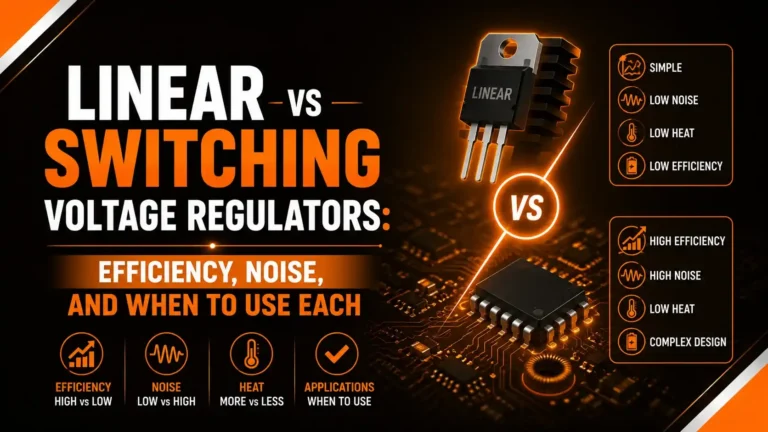
Power Electronics Linear vs Switching Voltage Regulators: Efficiency, Noise, and When to Use Each One burns the extra voltage off as heat. The other chops.
Hosting, software and hours of research go into every article. Even a small contribution helps us publish more in-depth guides for students, technicians and engineers.