
Table of Contents
ToggleHow Sliding Stem Valves Work?
In industrial processes, control valves are very important in maintaining proper operation. They are used to regulate flow, pressure, temperature, and level in pipelines and equipment. Without proper valve control, processes can become unstable, unsafe, or inefficient.
Among the different types of control valves, Sliding Stem Valves are one of the most commonly used designs in the instrumentation field.
These valves operate using a simple linear motion, which makes them easy to understand and widely accepted in industries.
These valves are simple in construction, easy to maintain, and highly reliable in operation. Because of their accuracy and dependable performance, sliding stem valves are used in a wide range of applications such as flow control, pressure regulation, and safety systems across industries like oil & gas, chemical, and power plants.
Understanding Sliding Stem Valves in simple terms
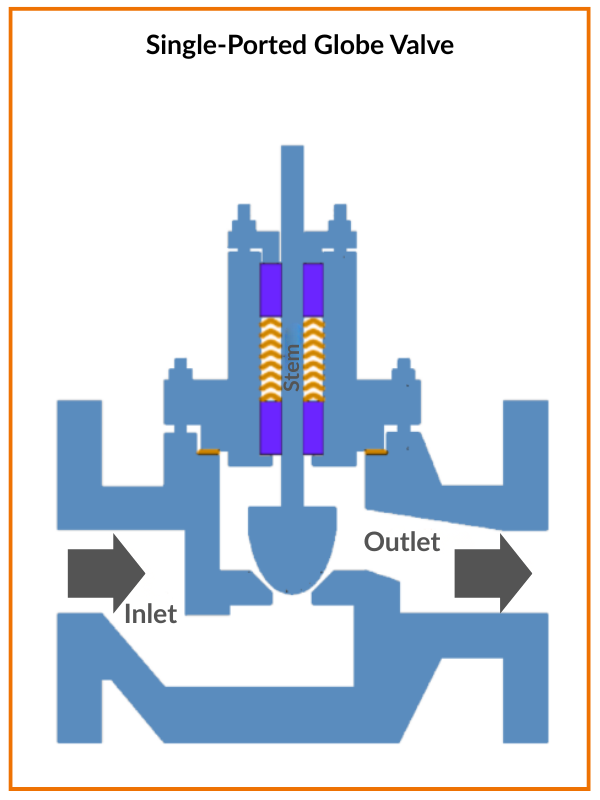
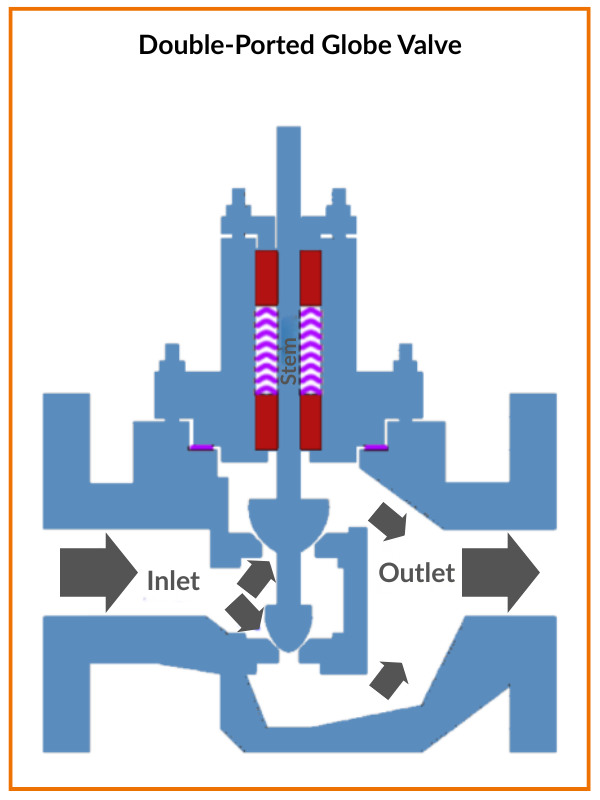
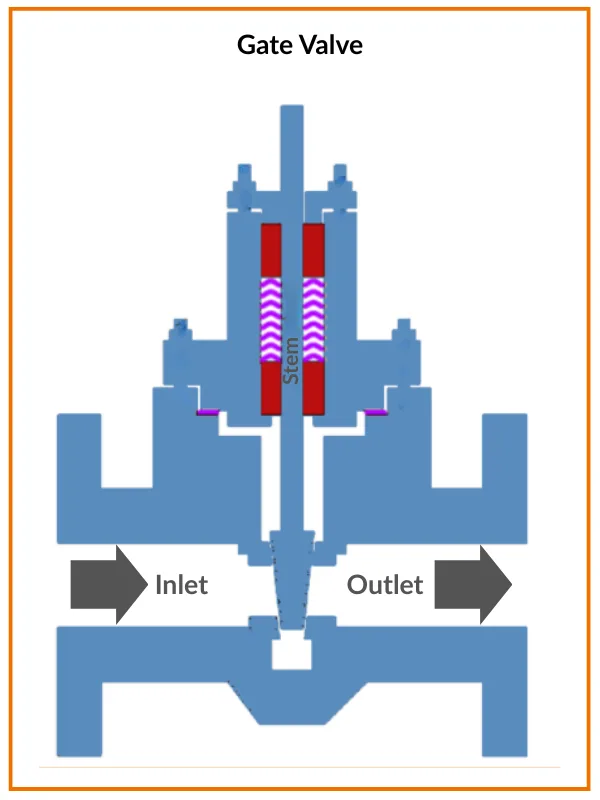
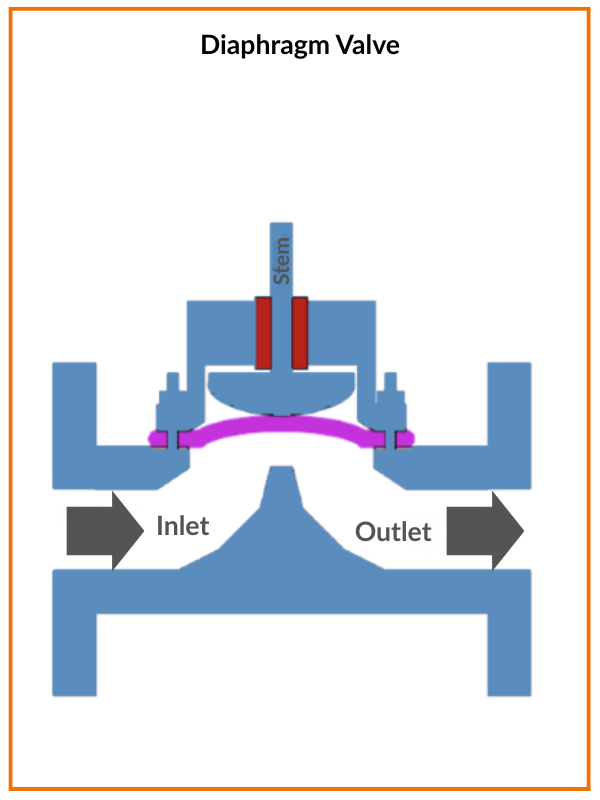
A Sliding Stem Valve is a type of valve where the internal moving part (stem) moves in a straight line (linear motion).
Instead of rotating, the stem moves up and down inside the valve body.
This movement controls how much fluid can pass through the valve.
How Sliding Stem Valves actually work
The working principle is based on linear motion of the stem.
- When the stem moves upwards, the valve opening increases
- When the stem moves downwards, the valve opening decreases
This sliding motion controls the flow of fluid through the valve.
Types of Sliding Stem Valve Operation
Sliding stem valves can work in two different ways depending on design:
1. Direct Acting Sliding Stem Valve
In most industrial applications, sliding stem valves are direct acting.
How it works:
1. When the stem is pulled out (moves up) → Valve opens
2. When the stem is pushed in (moves down) → Valve closes
Simple understanding:
1. Stem up → More flow
2. Stem down → Less flow
This is the most common operation used in control valves.
2. Reverse Acting Sliding Stem Valve
In some special cases, valves are designed as reverse acting.
How it works:
1. When the stem is pushed in → Valve opens
2. When the stem is pulled out → Valve closes
Simple understanding:
1. Stem down → More flow
2. Stem up → Less flow
This is opposite to direct acting valves.
Why sliding stem valves are widely used
Sliding stem valves are preferred in industries because of their simplicity and effectiveness.
1. Simple design
Linear motion makes them easy to understand and operate
2. Good control accuracy
They provide precise control of flow
3. Reliable operation
Less complex movement reduces chances of failure
4. Wide applications
Used in globe valves, gate valves, and diaphragm valves
Where sliding stem valves are used
You will commonly see sliding stem valves in:
1. Flow control systems
2. Pressure control applications
3. Temperature control loops
4. Process industries like oil & gas, chemical, and power plants
Key concept to remember
1. Sliding stem valves use linear motion
2. Stem movement controls valve opening
3. Direct acting → Stem up opens valve
4. Reverse acting → Stem down opens valve
FAQs on Sliding Stem Valves
1. What is a sliding stem valve?
A sliding stem valve is a valve where the stem moves in a straight line to control flow.
2. What is direct acting valve?
In a direct acting valve, the valve opens when the stem moves upward.
3. What is reverse acting valve?
In a reverse acting valve, the valve opens when the stem moves downward.
4. Why are sliding stem valves used?
They are simple, reliable, and provide good control of process variables.
5. Which valves are sliding stem type?
Globe valves, gate valves, and diaphragm valves are common examples.
Conclusion
A Sliding Stem Valve works by moving the stem up and down to control flow. The direction of opening depends on whether the valve is direct acting or reverse acting.


I hope you like above blog. There is no cost associated in sharing the article in your social media. Thanks for Reading !! Happy Learning