
Digital Twin in Industrial Automation Explained
A 3D model of a machine is a photograph. A digital twin is a photograph that keeps updating itself in real time, and can talk back to the machine it's a picture of.
A digital-twin is a live, continuously updated virtual replica of a physical asset, process, or plant, connected through real sensor data rather than a static model. This guide explains what makes a digital twin different from a simple simulation, its role in virtual commissioning and predictive maintenance, and where it delivers real value.
What is a Digital Twin?
A digital-twin is a virtual model of a physical asset, machine, process, or entire plant that continuously synchronizes with its real-world counterpart using live data from sensors and IIoT devices. Unlike a static 3D CAD model or a one-time simulation, a true digital-twin stays dynamically in sync: as the physical asset's condition changes, so does the virtual model, and in many implementations, insights from the model can flow back to influence the physical system as well.
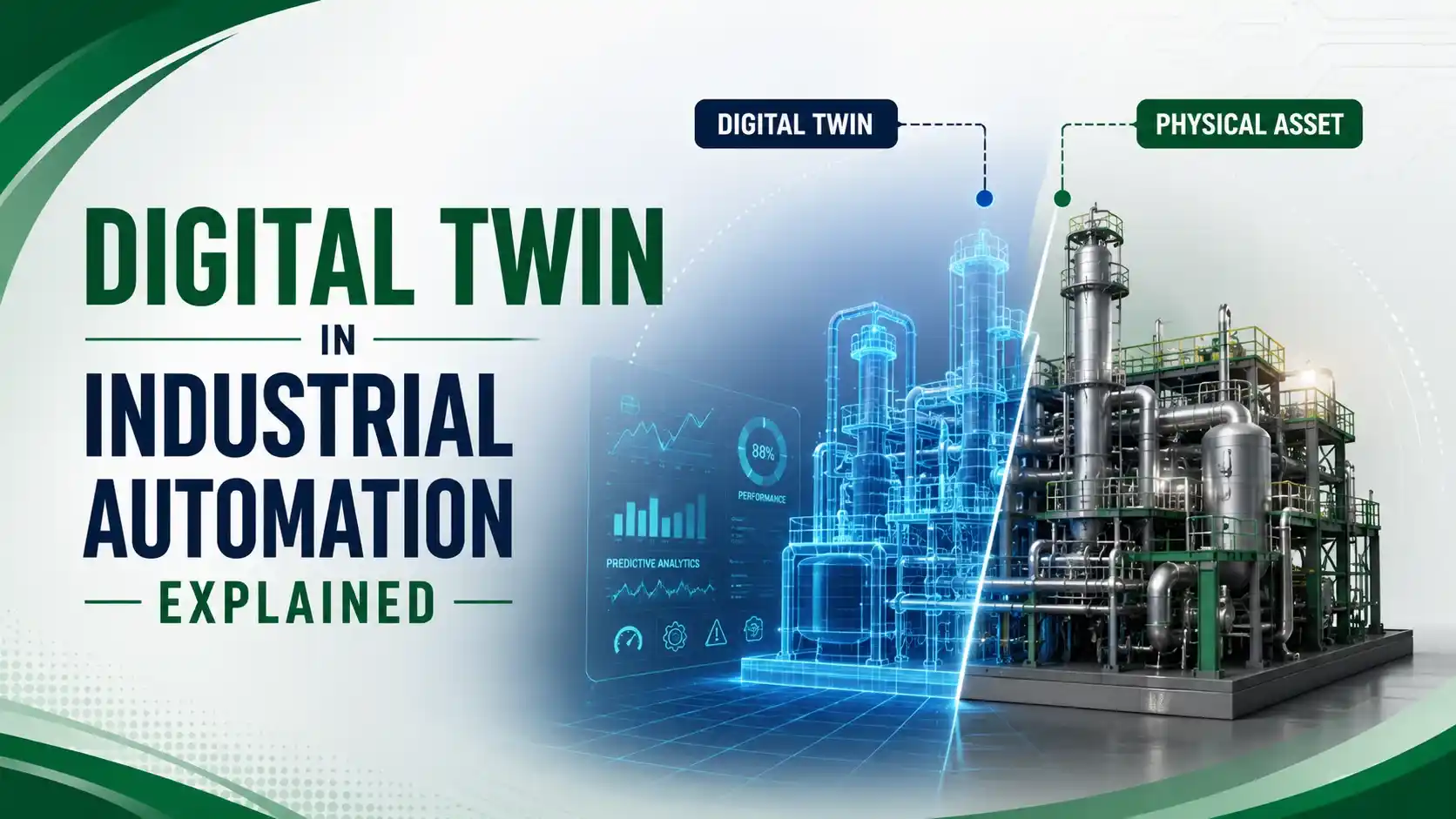
The concept traces back to NASA's use of paired physical and simulated models to help diagnose and resolve the Apollo 13 crisis in 1970, though the formal "digital twin" terminology emerged decades later, gaining serious industrial traction alongside Industry 4.0, IIoT, and cheaper computing power.
Real Life Example
Think of the difference between a photograph of your car's dashboard and the actual onboard diagnostics system running in the car right now. The photograph is a simulation frozen at one moment, useful for reference but instantly out of date. The onboard diagnostics system continuously tracks engine temperature, fuel efficiency, and wear indicators in real time, flagging developing problems before they cause a breakdown. A digital twin is the industrial equivalent of that live diagnostics system, just applied to an entire machine, production line, or factory instead of one car.
Digital-Twin vs Digital Shadow vs Simulation
| Concept | Data Flow | Stays Synchronized? |
|---|---|---|
| Static Simulation | None, one fixed scenario | No, represents one moment or hypothesis |
| Digital Shadow | One-way, physical to virtual | Yes, but cannot influence the physical system |
| Digital Twin | Two-way, physical and virtual exchange data | Yes, and can influence the physical system |
How a Digital Twin is Built
Data Collection
Sensors and IIoT devices capture temperature, vibration, pressure, and other real-time operating data.
Virtual Model
A physics-based or data-driven model represents the asset's structure and expected behavior.
Continuous Sync
Live data updates the virtual model, keeping it aligned with the actual physical asset's condition.
Analysis and Feedback
Analytics and simulation generate insights, some of which flow back to optimize the physical system.
Applications of Digital-Twins
Virtual Commissioning
Control logic and automation systems are tested against a digital twin before physical hardware arrives.
Predictive Maintenance
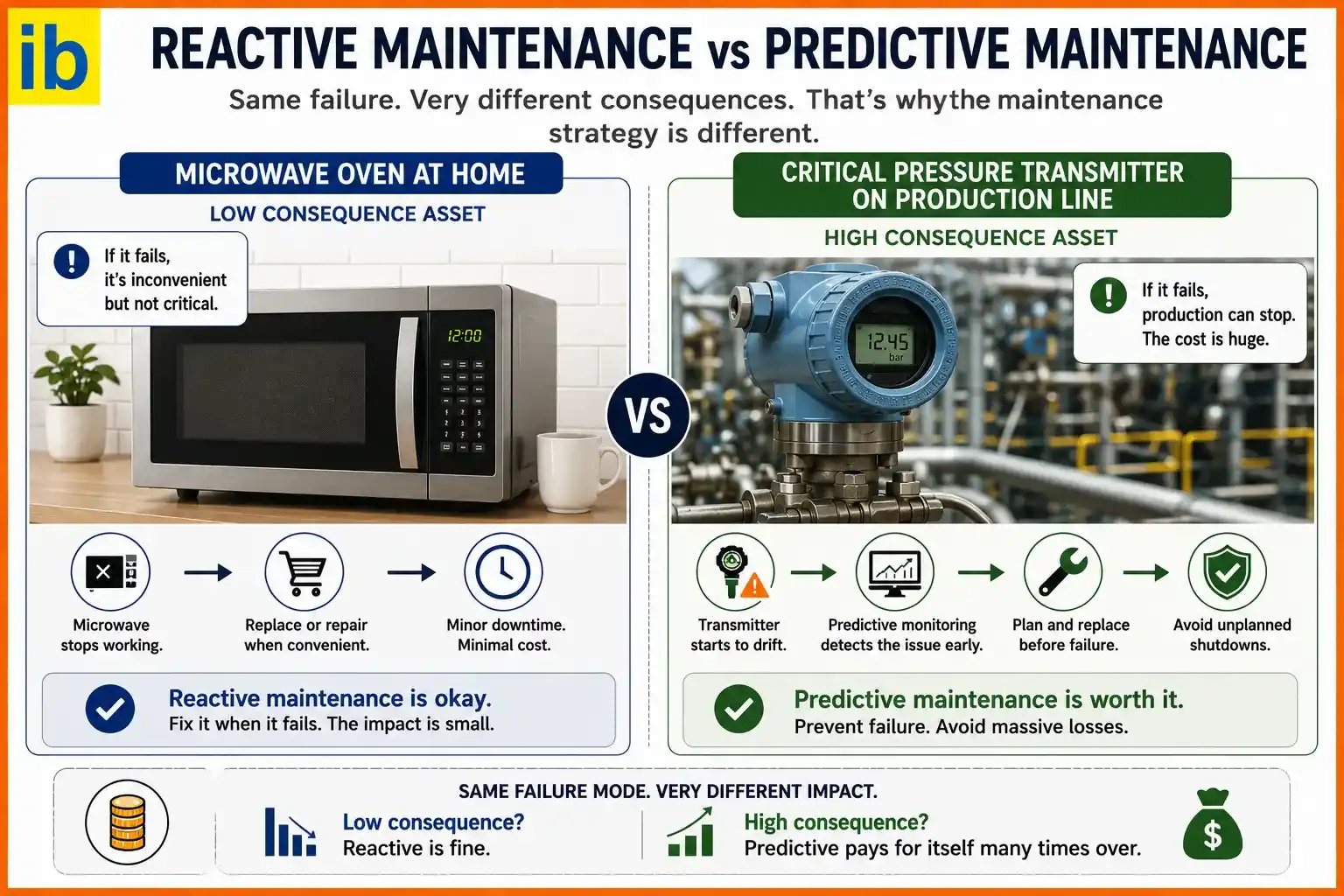
Digital twins analyze real operating data to forecast component wear and schedule maintenance proactively.
Process Optimization
What-if scenarios test layout changes, throughput adjustments, and bottleneck fixes virtually first.
Operator Training
Workers train on realistic virtual equipment without disrupting live production or risking safety.
Aerospace and Turbines
High-value assets like jet engines and wind turbines use digital twins for lifecycle and performance tracking.
Pharmaceutical Manufacturing
Regulated industries validate process reliability virtually before committing to physical production runs.
Digital Twin: Video Walkthrough
Frequently Asked Questions About Digital Twins
- Wikipedia, Digital Twin
- IBM, What Is a Digital Twin?
- Visual Components, Understanding Digital Twins in Manufacturing
What We Learn Today
- A digital twin is a virtual model continuously synchronized with a physical asset via real sensor data
- It differs from a static simulation by staying dynamically updated, and from a digital shadow by supporting two-way data flow
- Digital twins power virtual commissioning, predictive maintenance, process optimization, and operator training
- Existing SCADA and DCS systems share some digital twin traits, but typically lack deeper predictive analytics
- Virtual commissioning lets engineers validate control logic in software before physical hardware arrives, saving real time