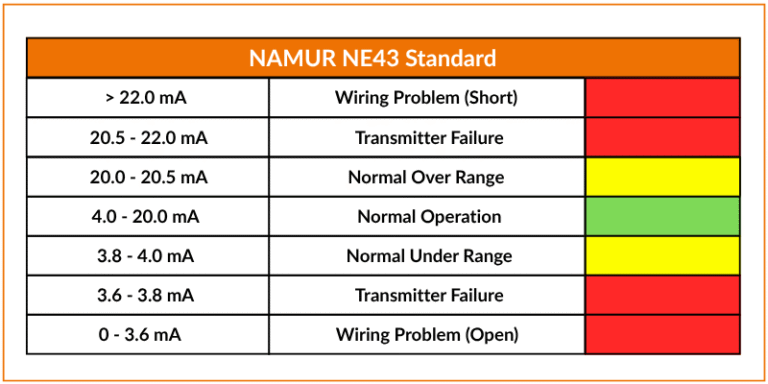
NAMUR NE43 Standard Explained: Fault Signals for 4-20 mA Transmitters
NAMUR NE43 Standardization of 4–20mA Signal Levels In the world of industrial automation, the 4–20mA signal is like a universal language. Whether you are working with pressure.

NAMUR NE43 Standardization of 4–20mA Signal Levels In the world of industrial automation, the 4–20mA signal is like a universal language. Whether you are working with pressure.
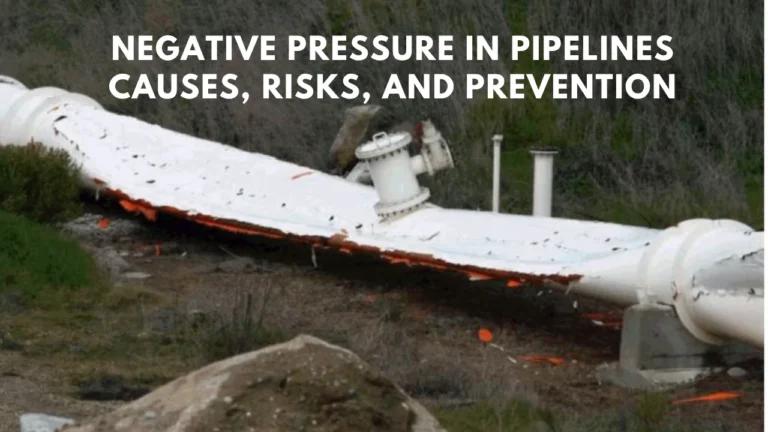
Negative Pressure in Pipelines If you have ever seen a thin plastic bottle “crush” inward when the air is removed, you already understand the basic.
Saddle Seal in Instrumentation: Introduction In industrial instrumentation, selecting the right connection method between process media and measurement devices is very important. One such efficient solution.
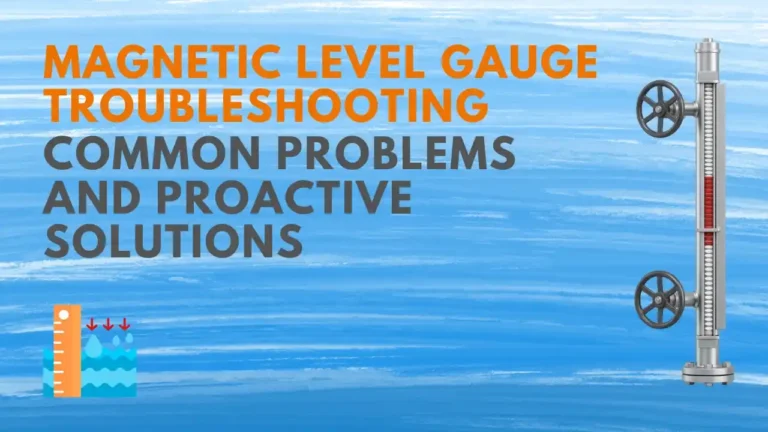
Magnetic Level Gauge Troubleshooting: Introduction Magnetic Level Gauges (MLGs) are widely used in process industries due to their leak-proof design, reliability, and safety, especially when.
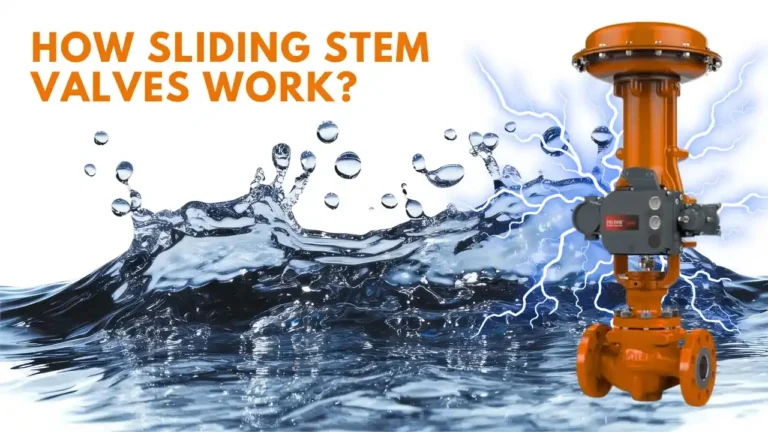
How Sliding Stem Valves Work? In industrial processes, control valves are very important in maintaining proper operation. They are used to regulate flow, pressure, temperature, and level.
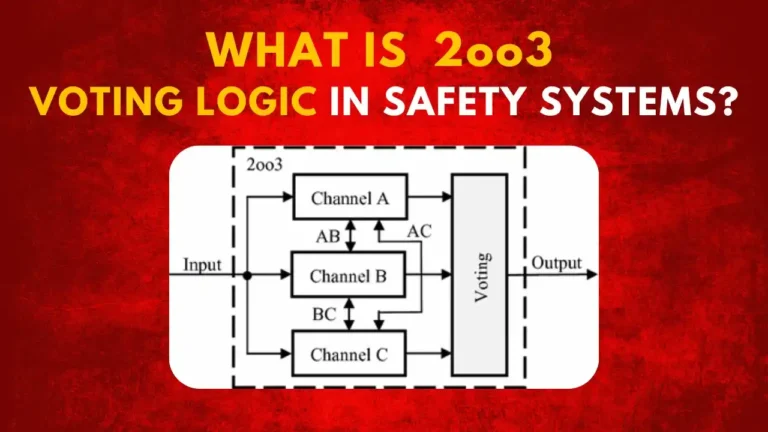
2oo3 Voting Logic in Safety Systems In industrial plants, safety systems must take the right decision at the right time. A wrong signal can unnecessarily.
Introduction: Industrial Communication Protocols MCQs In modern industries, machines and instruments need to talk to each other. For example, a sensor sends data to a.
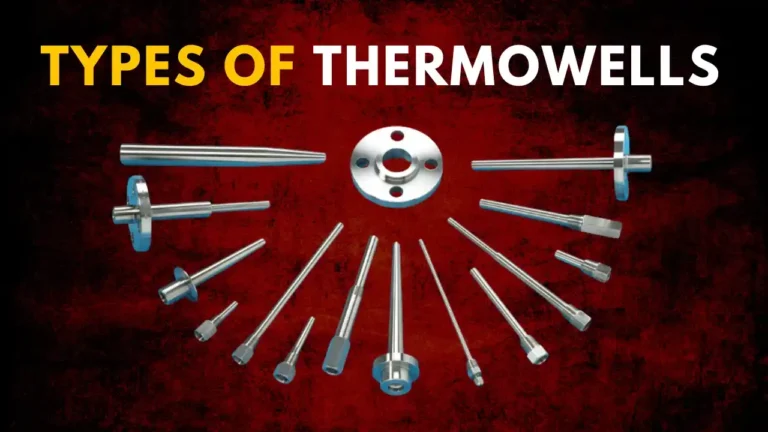
Types of Thermowells In industrial plants, measuring temperature is very important. Temperature sensors such as RTDs and thermocouples are used to measure process temperature. These sensors are.
Difference Between BOOTP and DHCP In networking, communication between devices is only possible when each device is properly identified. This identification is done using an IP address..
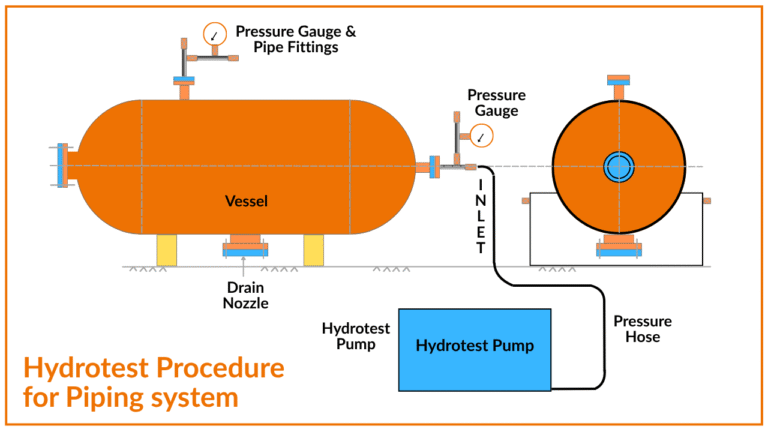
Hydrotest Procedure: Introduction Hydrotest, also called a hydrostatic test, is an important step in both the construction and maintenance of piping systems. Before any new.
Hosting, software and hours of research go into every article. Even a small contribution helps us publish more in-depth guides for students, technicians and engineers.