Nitrogen Purging: Meaning, Why It’s Required & Methods
Nitrogen Purging: Introduction In many industrial processes, controlling oxygen and moisture is not optional but it is critical. Even small amounts of air or water vapor.

Nitrogen Purging: Introduction In many industrial processes, controlling oxygen and moisture is not optional but it is critical. Even small amounts of air or water vapor.
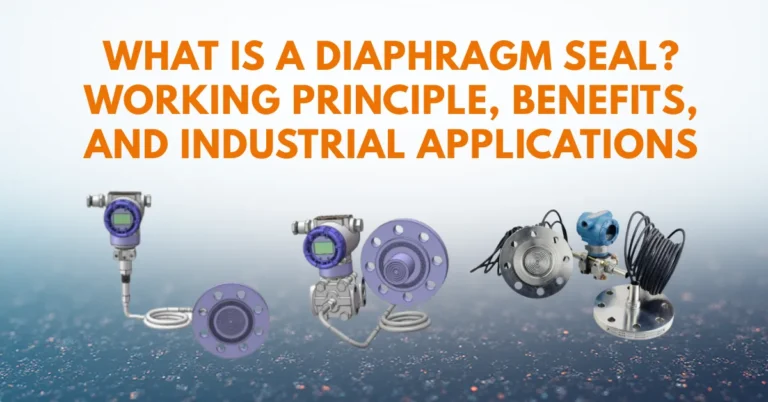
Pressure instruments such as gauges and transmitters are often installed directly on process lines. Under normal conditions, this works well. But in many industrial environments, the.
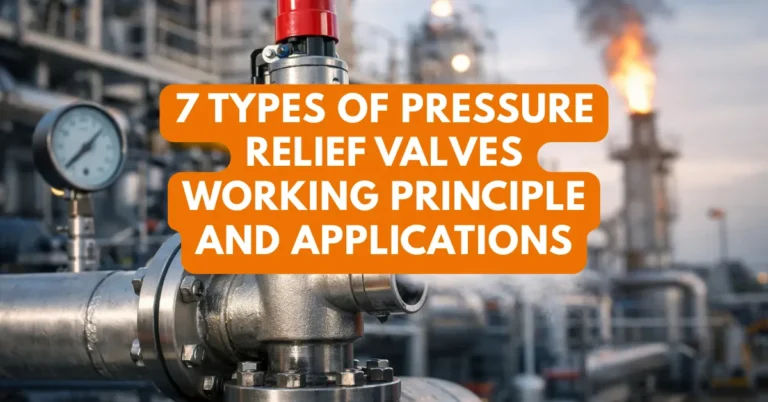
Introduction – Why Pressure Relief Valves Are Critical Pressure Relief Valves (PRVs) are among the most important safety components used in pressurized systems. Their main.
PLC SCADA and DCS: Introduction Artificial Intelligence is becoming a hot topic in the automation world. From PLC programming to SCADA configuration and even DCS system design,.
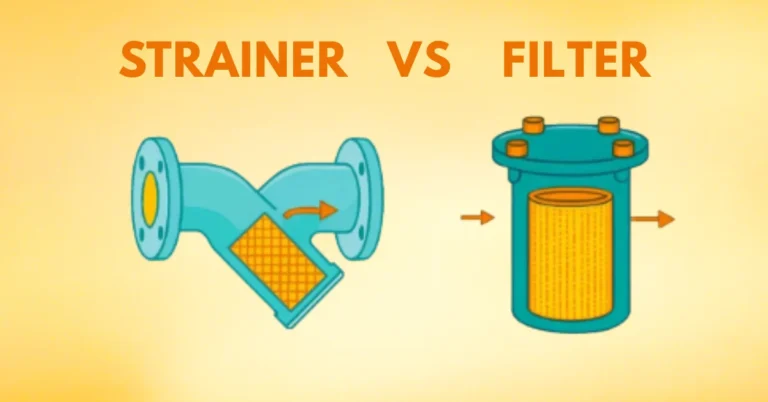
Strainer and Filter – Introduction In industrial piping and instrumentation systems, the terms strainer and filter are often used as if they mean the same thing. On drawings, datasheets,.
Pressure protection is one of the most critical safety requirements in oil and gas facilities. A single uncontrolled overpressure event can result in pipeline rupture,.
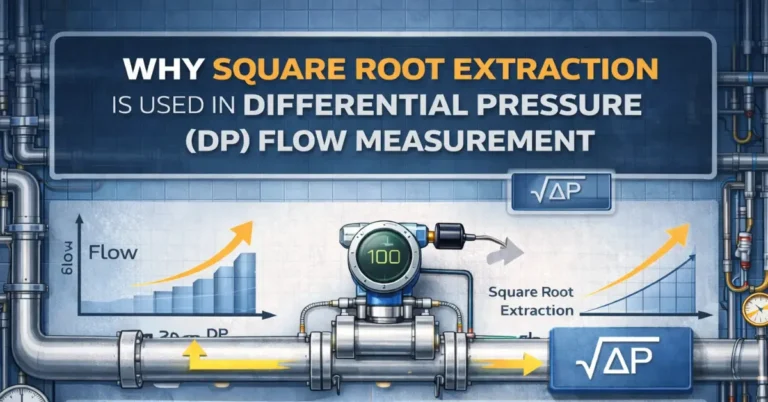
Square Root Extraction: Introduction Differential pressure (DP) flow measurement is one of the oldest and most widely used methods in the process industry. Even today,.
In industrial automation, many technologies come and go, but the 4 to 20 mA signal has remained unchanged for decades. From oil & gas plants to.
Temperature and Pressure Compensation: Introduction Temperatureand pressure compensation is a measurement technique used in industrial instruments to correct readings to standard reference conditions, typically 25°C temperature and.
Actual Flow-Standard Flow-Normal Flow: Instroduction Gas flow measurement is one of the most misunderstood topics in instrumentation. Many engineers see values like Am³/h, Nm³/h, Sm³/h, or.
Hosting, software and hours of research go into every article. Even a small contribution helps us publish more in-depth guides for students, technicians and engineers.