9 PLC Data Types: BOOL, INT, DINT, REAL & More (Chart)
PLC Data Types: Introduction When we write a PLC program, we are not only writing logic but we are managing memory, speed, accuracy, and reliability. Every signal.

PLC Data Types: Introduction When we write a PLC program, we are not only writing logic but we are managing memory, speed, accuracy, and reliability. Every signal.
Point to point connection and multidrop connection: Introduction In industrial automation and instrumentation systems, how devices talk to each other is just as important as.
What Is Sensor Linearity and What Does It Mean? In instrumentation and measurement systems, sensors are expected to convert a physical quantity into an electrical.
Thermocouple Burnout: Introduction Thermocouples are among the most widely used temperature sensors in the process industry. You will find them in furnaces, boilers, reactors, kilns, heat.
Sensor Scaling: Introduction In any industrial plant, sensors are the first link between the physical process and the control system. However, sensors do not naturally.
Piping and Instrumentation Diagram (P&ID) If you have ever opened a Piping and Instrumentation Diagram (P&ID) for the first time, it can look confusing and overwhelming..
Linear Variable Differential Transformer (LVDT) is a widely used position and displacement measuring device in industrial instrumentation and automation systems. It is used to measure linear movement of an.
Industrial dryers and evaporators are widely used process equipment in many industries where moisture or solvents must be removed from liquids, slurries, or solids. These systems are.
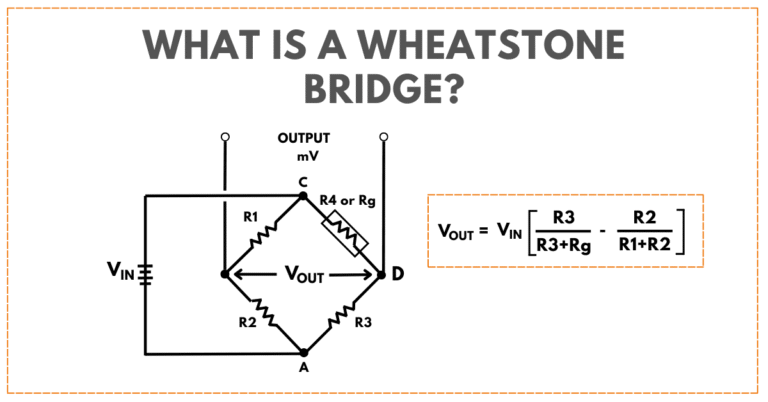
Electronics / Sensors and Measurement Wheatstone Bridge: Working Principle and 10 Surprising Applications A Wheatstone bridge turns a resistance change too small to measure directly.
Valve Actuator Types: Introduction Valves are everywhere in industrial plants controlling flow, pressure, temperature, and direction of fluids. But a valve alone cannot operate by itself. It needs.
Hosting, software and hours of research go into every article. Even a small contribution helps us publish more in-depth guides for students, technicians and engineers.